
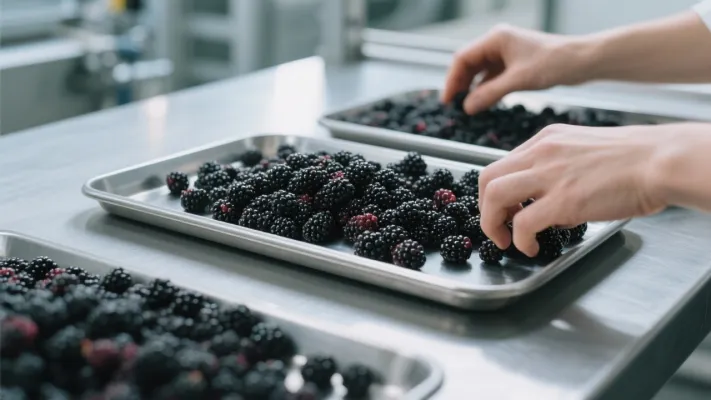
In the global agricultural product market, the transportation and storage of goods face significant preservation challenges. According to industry data, approximately 20 - 30% of agricultural products are lost during the transportation and storage process due to improper preservation methods. Garlic, as a widely - traded agricultural product, has its own unique characteristics. It is rich in various nutrients and has a strong flavor, but it is also highly susceptible to microbial contamination and spoilage. These factors make the proper storage and preservation of garlic crucial for maintaining its quality and market value.
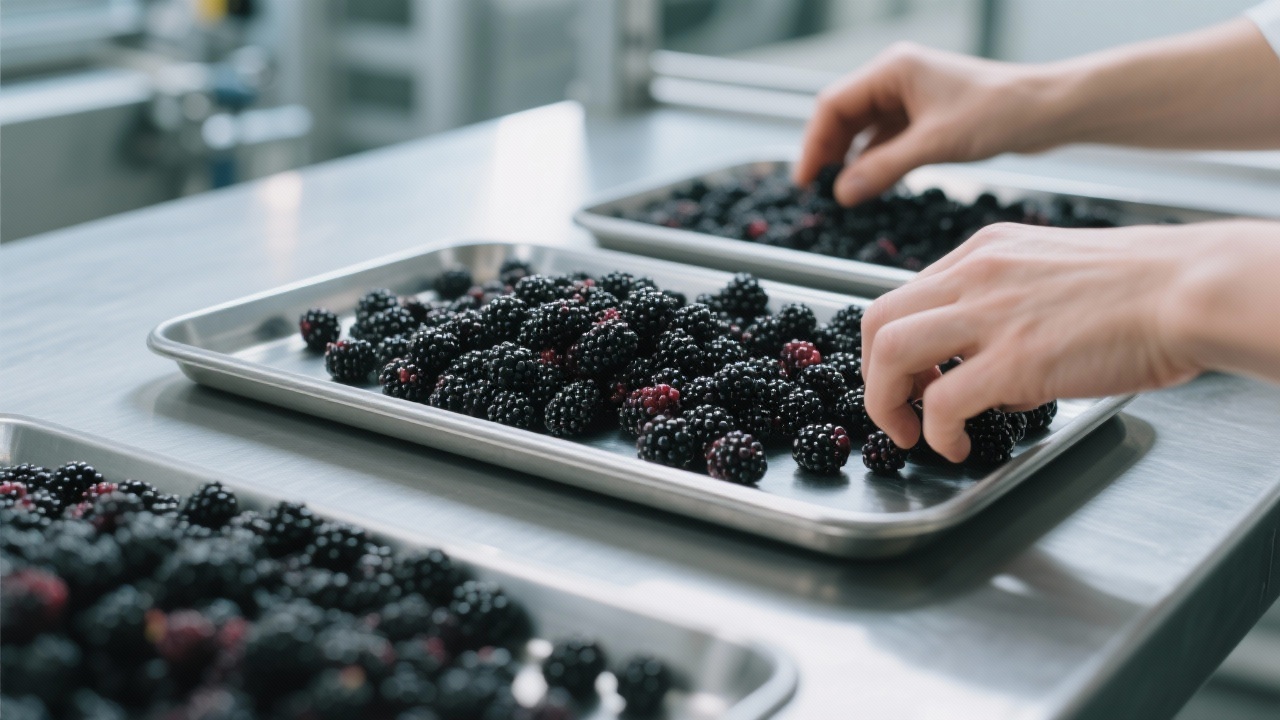
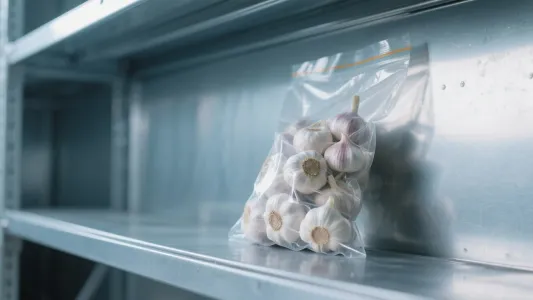
Storing garlic at a temperature between - 3°C and 0°C has a series of scientific advantages. From a biological perspective, this temperature range can effectively inhibit the activity of microorganisms. Research shows that at this temperature, the growth rate of common spoilage - causing microorganisms can be reduced by up to 80%. Moreover, it helps to maintain the biological activity of garlic, ensuring that its nutrients, such as allicin, are not significantly degraded. A temperature curve (Figure 1) can clearly show the relationship between temperature and the degradation rate of garlic nutrients, indicating that the - 3°C to 0°C range is the optimal temperature for preserving garlic's nutritional value and flavor.
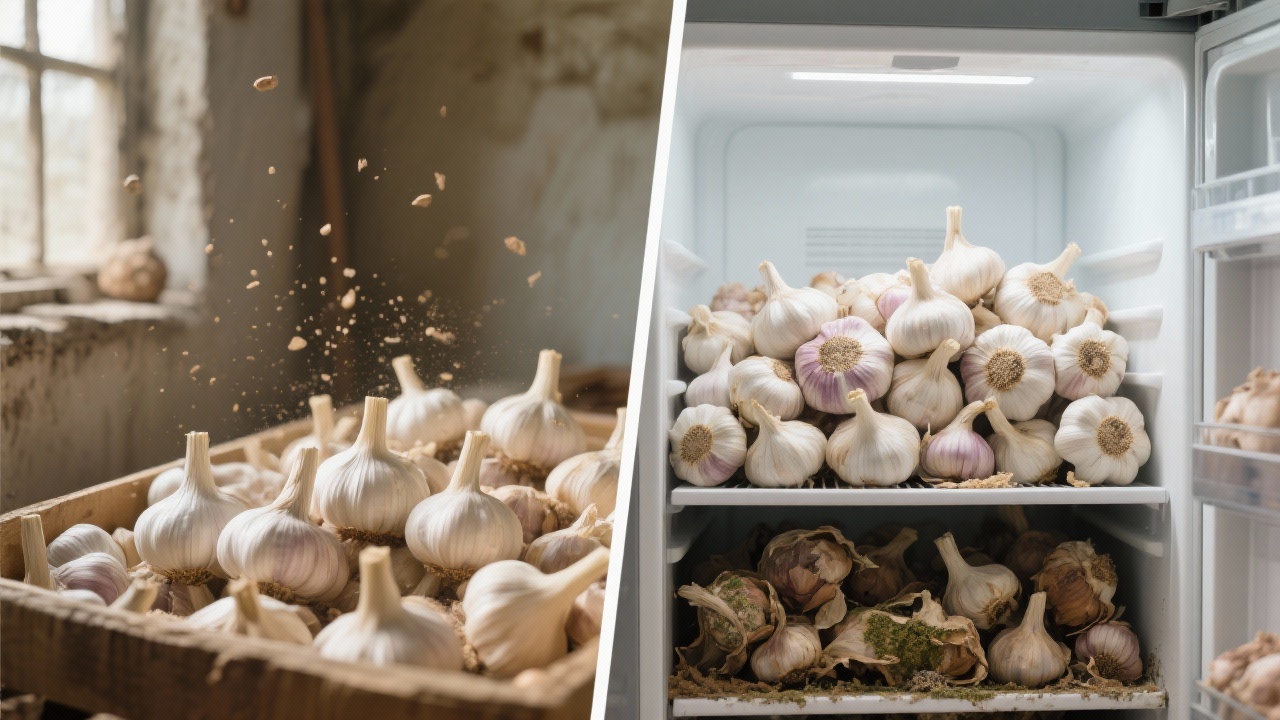
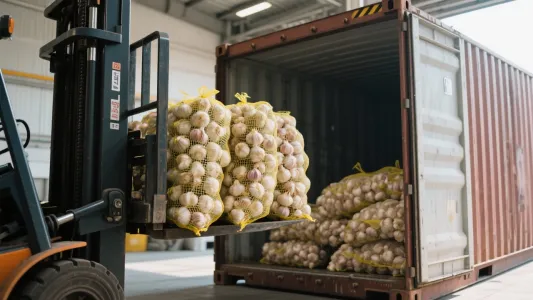
Traditional warehousing methods often rely on ambient temperature storage, which can lead to high spoilage rates. In contrast, modern cold - chain preservation offers significant advantages. Data shows that the loss rate of garlic in traditional warehouses can reach 15 - 20%, while the loss rate in modern cold - chain storage can be controlled within 5%. In terms of quality consistency, modern cold - chain logistics can ensure that the quality of garlic remains stable throughout the supply chain, thereby improving customer satisfaction. A loss statistics chart (Figure 2) can visually present the difference in loss rates between the two storage methods.
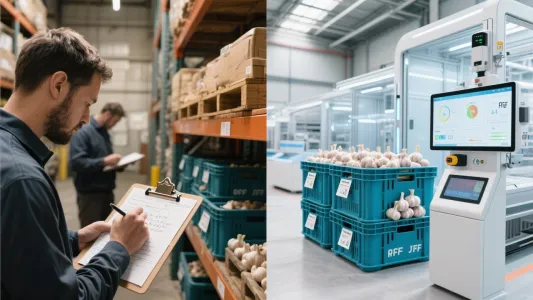
Yishangqiao (Hangzhou) International Trade Co., Ltd. has rich experience in garlic cold - chain management. Through a series of actual cases, it has demonstrated the importance of proper temperature control. In some cases, abnormal temperature control led to a 10% increase in the spoilage rate of garlic. However, through effective monitoring and adjustment measures, such as real - time temperature sensors and automatic temperature adjustment systems, the company was able to successfully maintain the quality of garlic and ensure its compliance with export standards.
HACCP Standard Highlights: HACCP (Hazard Analysis and Critical Control Points) is an internationally recognized food safety management system. It emphasizes the identification, evaluation, and control of potential hazards in the food production process. For garlic cold - chain storage, HACCP requires strict control of temperature, humidity, and other environmental factors to ensure food safety.
To improve export compliance and certification competitiveness, companies need to adopt a series of technical and management strategies. Technically, they can invest in advanced cold - chain equipment, such as intelligent refrigeration systems and real - time monitoring devices. Management - wise, they should establish a complete quality control system, including regular staff training and strict process management. By implementing these strategies, companies can ensure that their garlic products meet international standards and gain a competitive edge in the global market.
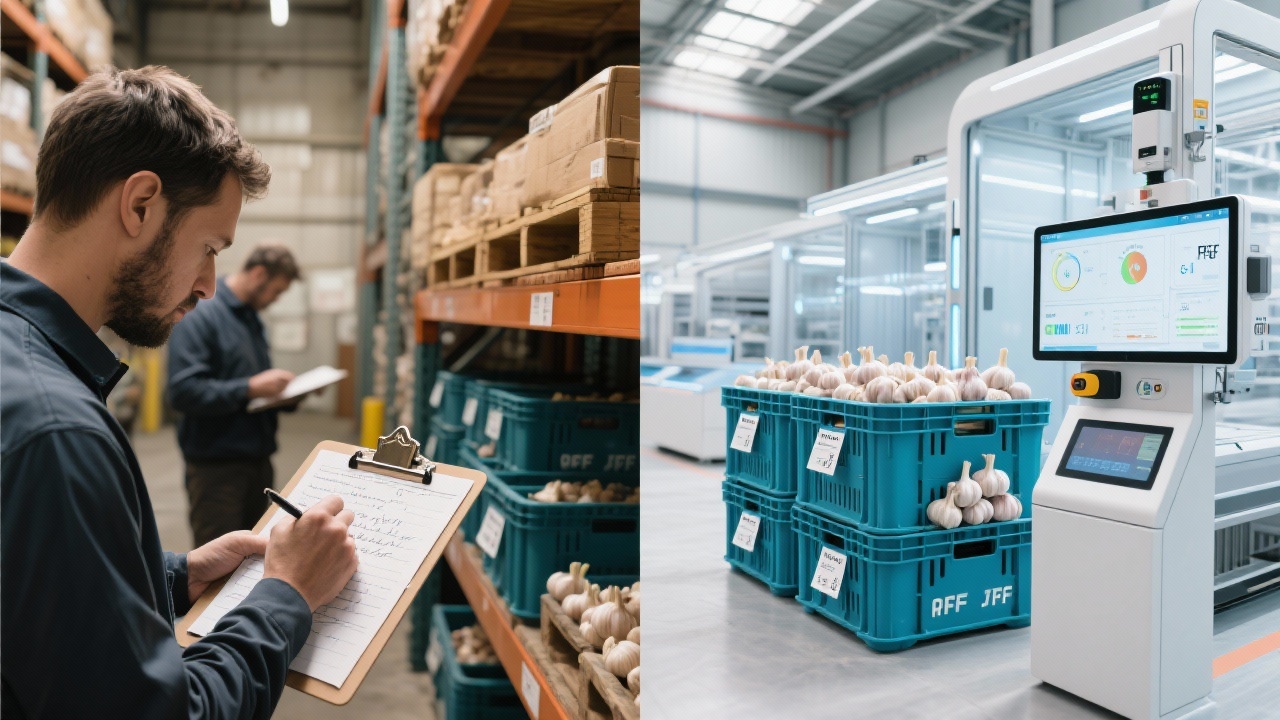
For buyers, logistics providers, and agricultural practitioners, it is necessary to conduct regular self - checks on their cold - chain plans. They can refer to international standards and industry best practices to identify potential problems and make timely optimizations. This can help them improve the efficiency of their garlic supply chain and achieve stable business growth.
 344
|
344
|
 low temperature garlic storage
garlic shelf life extension
cold chain management for garlic
breathable mesh packaging for garlic
garlic quality preservation
low temperature garlic storage
garlic shelf life extension
cold chain management for garlic
breathable mesh packaging for garlic
garlic quality preservation
 209
|
garlic export packaging
mesh bag for fresh produce
cold chain logistics for agriculture
breathable packaging solutions
post-harvest garlic preservation
209
|
garlic export packaging
mesh bag for fresh produce
cold chain logistics for agriculture
breathable packaging solutions
post-harvest garlic preservation
 60
|
garlic selection tips
garlic storage methods
fresh garlic packaging
garlic保鲜技巧
garlic supply chain optimization
60
|
garlic selection tips
garlic storage methods
fresh garlic packaging
garlic保鲜技巧
garlic supply chain optimization
 288
|
garlic cold chain temperature control
agricultural cold storage technology
cold chain management benefits
garlic export preservation guide
HACCP cold chain compliance
288
|
garlic cold chain temperature control
agricultural cold storage technology
cold chain management benefits
garlic export preservation guide
HACCP cold chain compliance
 386
|
garlic sea transport mold prevention
cross-border food logistics moisture control
10kg mesh bag packaging advantages
agricultural cold chain transport optimization
garlic export packaging standards
386
|
garlic sea transport mold prevention
cross-border food logistics moisture control
10kg mesh bag packaging advantages
agricultural cold chain transport optimization
garlic export packaging standards

.png?x-oss-process=image/resize,h_600,m_lfit/format,webp)




.jpg?x-oss-process=image/resize,m_fill,h_200,w_200/format,webp)


.png?x-oss-process=image/resize,h_200,m_lfit/format,webp)





 TikTok
 Facebook