
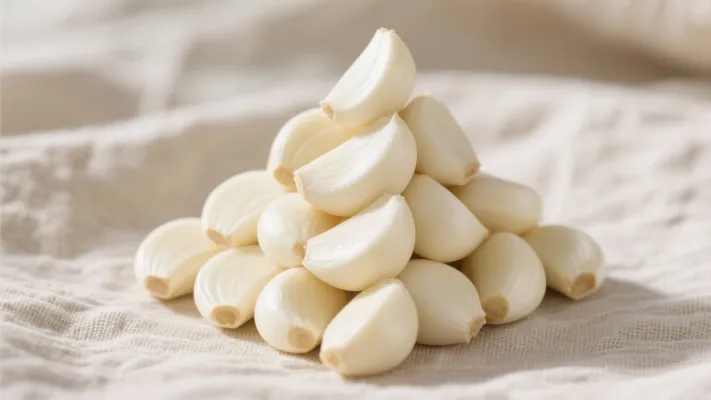
Selecting high - quality white garlic is crucial for both consumers and procurement professionals. This article will provide a comprehensive guide on how to identify and choose top - notch fresh white garlic, covering key criteria such as appearance, packaging, and storage methods.
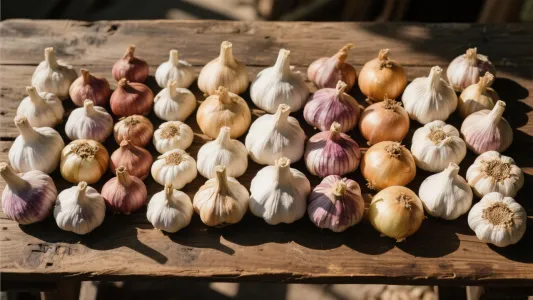
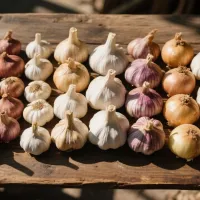
The color of garlic can vary, including pure white, big white, red, and purple. Each type has its own characteristics and market positioning. Pure white garlic is often associated with a milder flavor and is suitable for more delicate dishes. Big white garlic, with its larger size, is popular in bulk purchases. Red and purple garlic usually have a stronger taste and are favored in certain regional cuisines. Understanding these color differences can help you make more informed purchasing decisions.
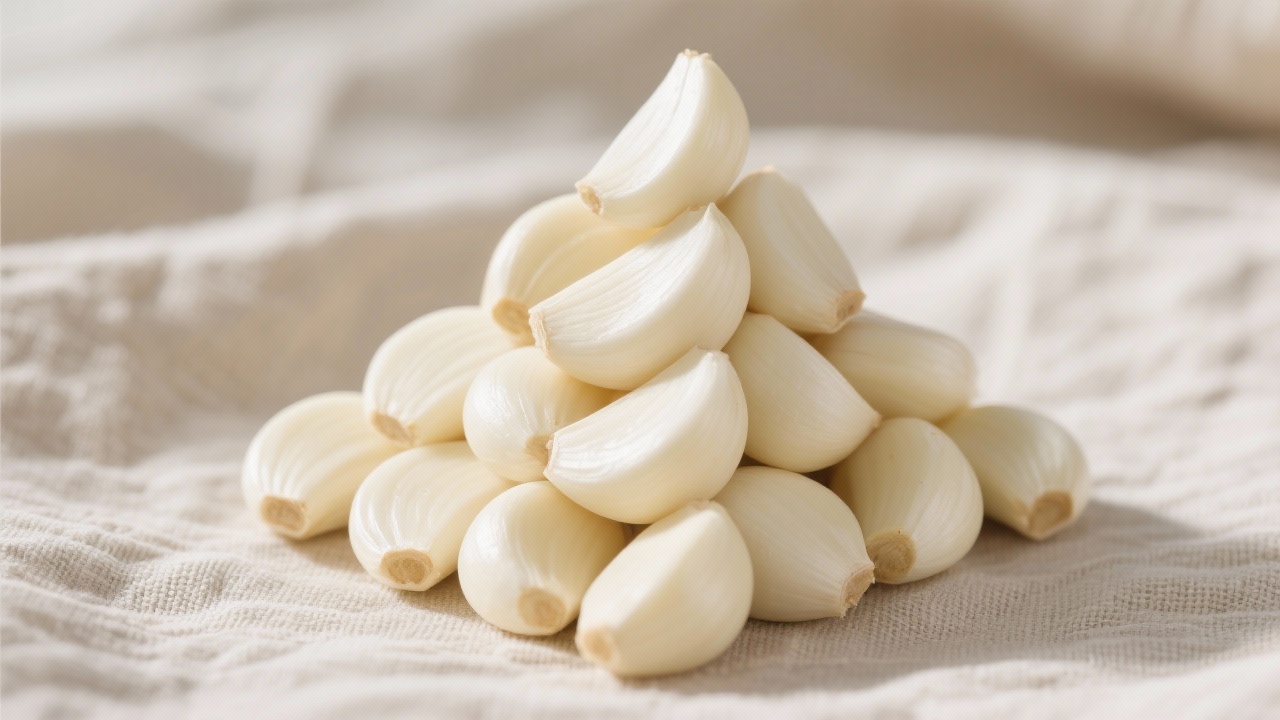
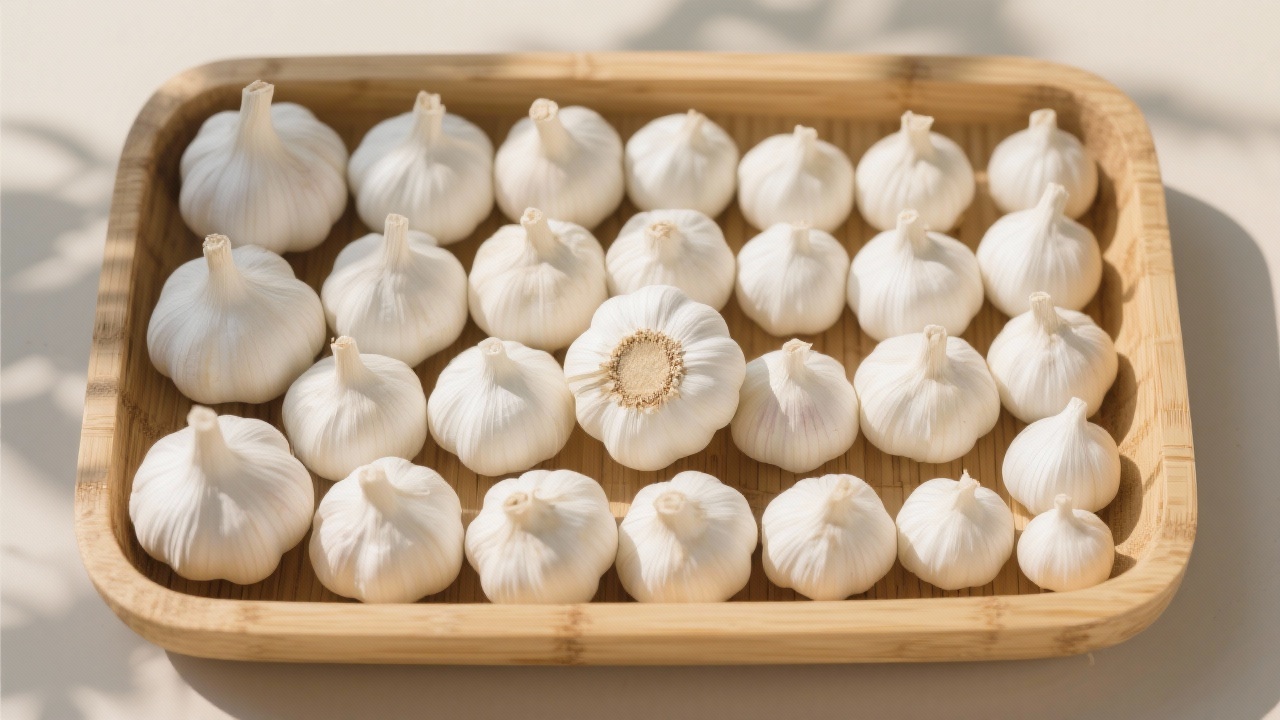
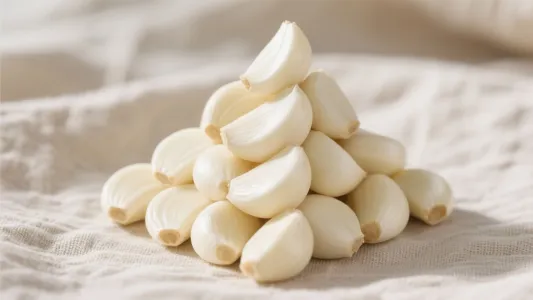
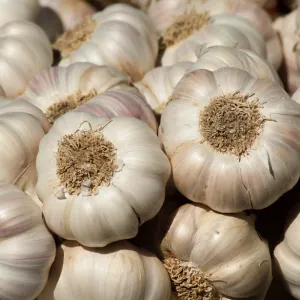
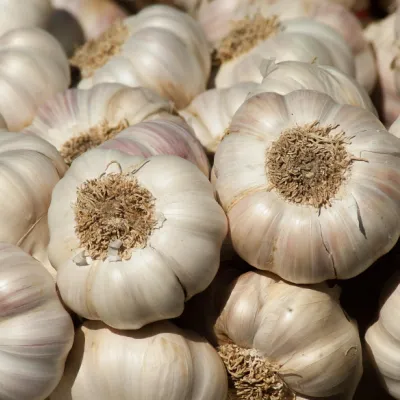
When selecting garlic, it is essential to check the integrity of the bulbs. High - quality garlic should be free of sprouts, rot, and impurities. Sprouted garlic may have reduced flavor and nutritional value, while rotten garlic can contaminate other bulbs. A good garlic bulb should be firm and have no visible damage. For example, a single bulb should weigh around 30 - 50 grams, and a well - formed bulb indicates better quality.
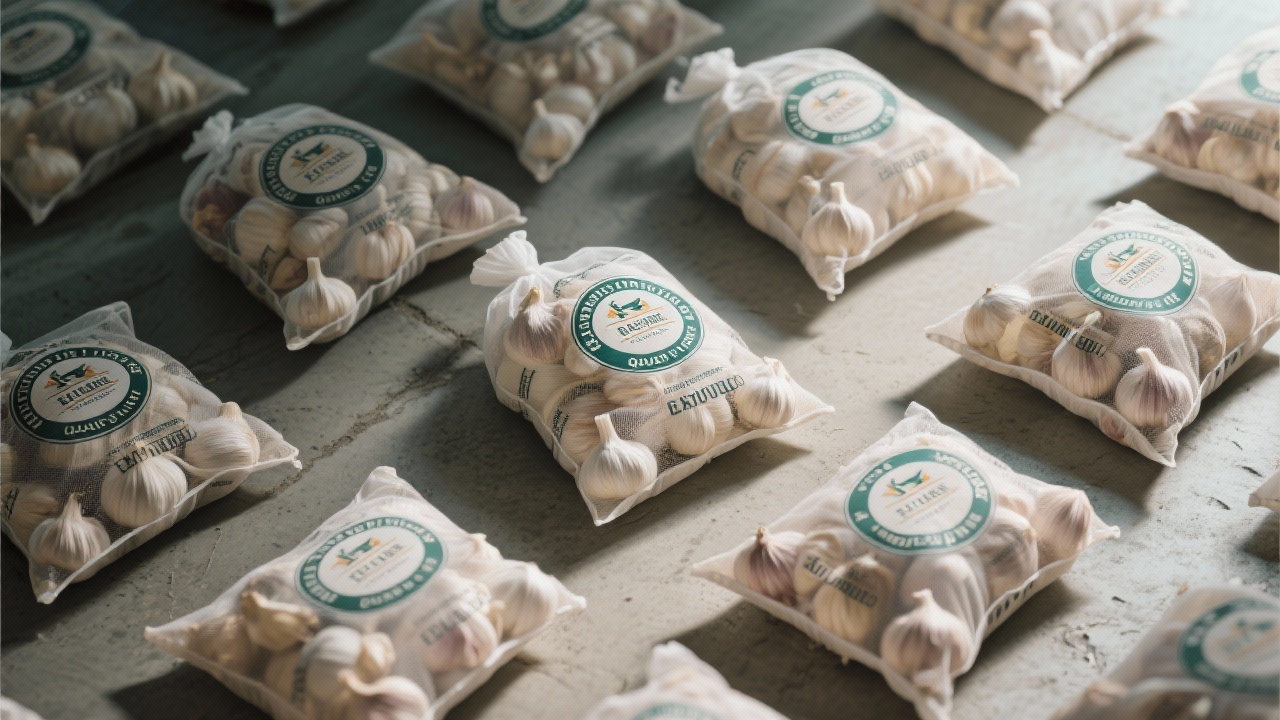
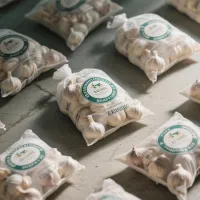
Packaging plays a vital role in maintaining the quality of garlic. Breathable packaging, such as a 10 - kilogram mesh bag, is highly recommended. This type of packaging allows air circulation, which helps prevent moisture buildup and mold growth. In contrast, non - breathable packaging can lead to premature spoilage of the garlic. The mesh bag also makes it easier to handle and transport the garlic.
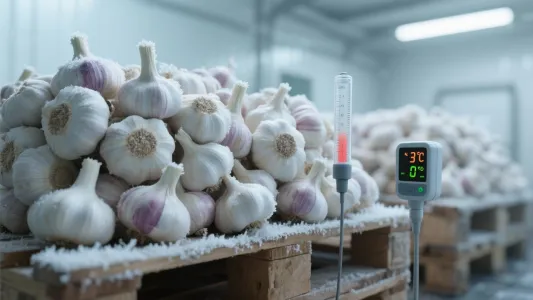
A professional cold storage environment is crucial for maintaining the freshness and nutritional value of garlic. Garlic should be stored at a temperature between 0°C and 5°C and a relative humidity of 60% - 70%. This controlled environment can significantly extend the shelf life of garlic, keeping it fresh for up to 6 - 8 months. Without proper cold storage, garlic can quickly lose its flavor and nutritional content.
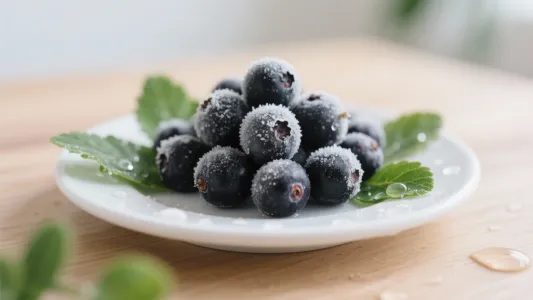
In addition to cold storage, there are other practical storage techniques. For example, you can store garlic in a well - ventilated area at room temperature, away from direct sunlight. If you want to extend the shelf life further, you can also consider freezing the garlic. However, frozen garlic may change in texture slightly. When using frozen garlic, it is best to thaw it slowly in the refrigerator.
By following these guidelines, you can enhance your purchasing decision - making ability and ensure that you obtain high - quality garlic to meet different market needs. Whether you are a consumer looking for the best garlic for your daily cooking or a procurement professional sourcing garlic for a business, these tips will help you achieve a high - quality experience.
 51
|
51
|
 cold chain preservation technology
garlic storage temperature
agricultural export quality
cold chain logistics benefits
HACCP certification
cold chain preservation technology
garlic storage temperature
agricultural export quality
cold chain logistics benefits
HACCP certification
 450
|
Grade A garlic
Middle Eastern cuisine garlic application
Garlic selection criteria
Heavy - flavored cooking garlic
Restaurant raw material acceptance process
450
|
Grade A garlic
Middle Eastern cuisine garlic application
Garlic selection criteria
Heavy - flavored cooking garlic
Restaurant raw material acceptance process
 483
|
High - quality garlic varieties
International cuisine garlic application
Kitchen garlic selection guide
Fresh garlic storage techniques
10kg mesh bag packaging
483
|
High - quality garlic varieties
International cuisine garlic application
Kitchen garlic selection guide
Fresh garlic storage techniques
10kg mesh bag packaging
 64
|
European garlic varieties
garlic storage solutions
garlic processing applications
garlic supply chain management
garlic flavor profiles
64
|
European garlic varieties
garlic storage solutions
garlic processing applications
garlic supply chain management
garlic flavor profiles
 276
|
A-grade white garlic standards
garlic quality assessment
Chinese garlic advantages
white garlic procurement guide
garlic storage best practices
276
|
A-grade white garlic standards
garlic quality assessment
Chinese garlic advantages
white garlic procurement guide
garlic storage best practices



.png?x-oss-process=image/resize,h_600,m_lfit/format,webp)




.jpg?x-oss-process=image/resize,m_fill,h_200,w_200/format,webp)

.png?x-oss-process=image/resize,h_200,m_lfit/format,webp)





 TikTok
 Facebook