
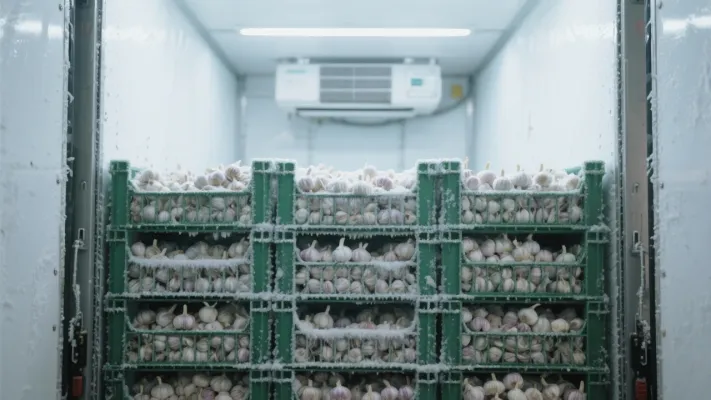
The Middle Eastern cuisine is renowned for its bold and spicy flavors, where garlic plays an indispensable role. In this article, we will delve into the unique demand and procurement standards of Grade A pure white garlic in the Middle Eastern food service market, and explore its diverse applications in spicy dishes.
Middle Eastern cuisine is characterized by its heavy - handed use of spices and seasonings, which create a rich and intense flavor profile. Garlic, with its pungent and savory taste, is a staple ingredient in many Middle Eastern dishes. Different types of garlic, such as pure white, large white, red, and purple garlic, have distinct flavor profiles and are used in various ways.
According to industry research, over 80% of Middle Eastern restaurants use garlic as a key ingredient in their signature dishes. The demand for high - quality garlic is constantly on the rise as the region's food service industry continues to grow.
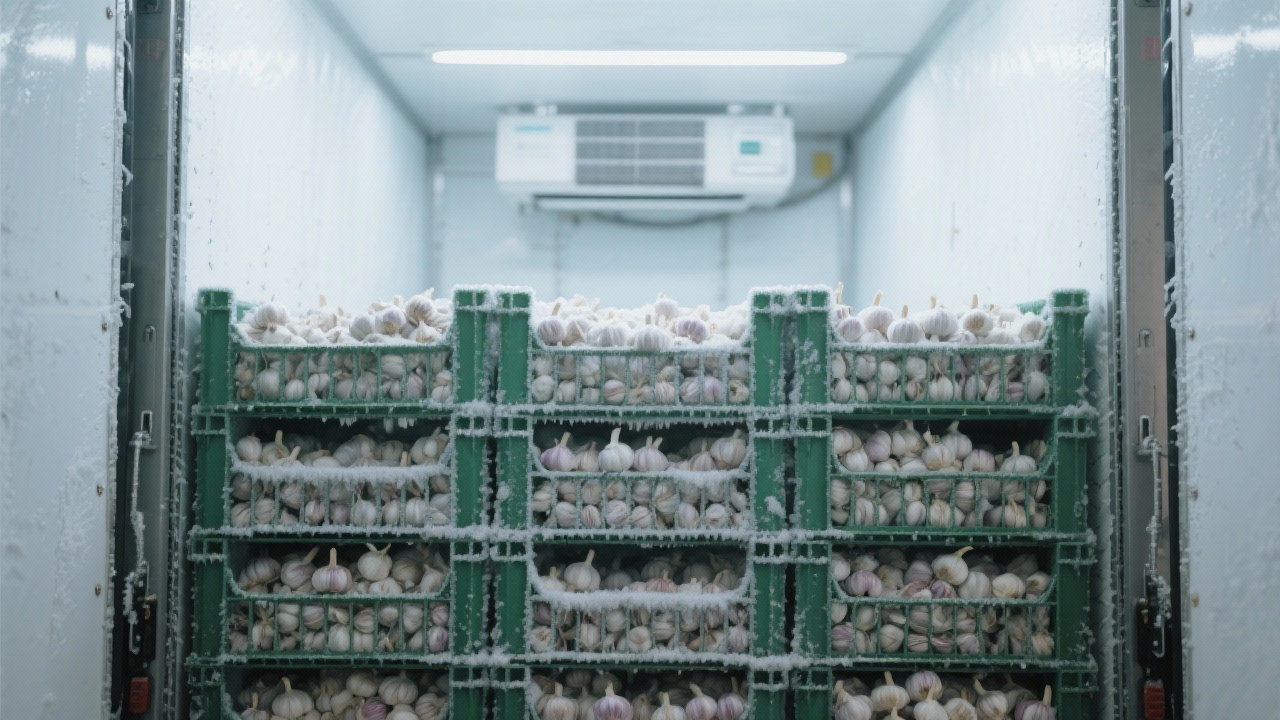
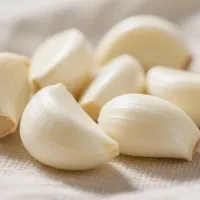
Pure white garlic is highly favored in Middle Eastern cuisine for its mild yet distinctive flavor. It is often used in dishes like hummus, baba ganoush, and garlic sauce, where its subtle taste can enhance the overall flavor without overpowering other ingredients. Large white garlic, on the other hand, has a stronger flavor and is suitable for dishes that require a more intense garlic kick, such as kebabs and stews. Red and purple garlic are less commonly used but can add a unique flavor and color to certain dishes.
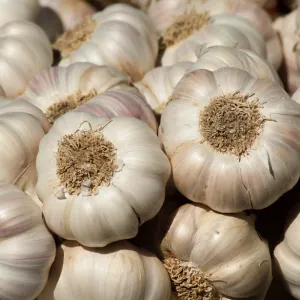
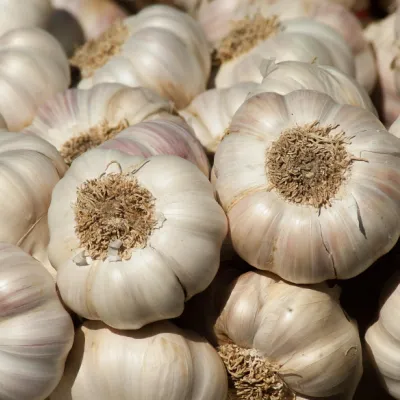
Based on industry experience, there are three key standards for identifying high - quality garlic: no sprouts, no rot, and intact skin. Sprouted garlic has a bitter taste and reduced flavor, while rotten garlic can contaminate other ingredients and pose health risks. Intact skin helps to preserve the freshness and flavor of the garlic.
To detect these qualities, a simple visual inspection can be carried out. Look for any signs of sprouting at the top of the garlic bulb, check for soft or discolored areas that may indicate rot, and ensure that the skin is unbroken. Additionally, a light squeeze can help to identify any internal softness, which may be a sign of hidden rot.
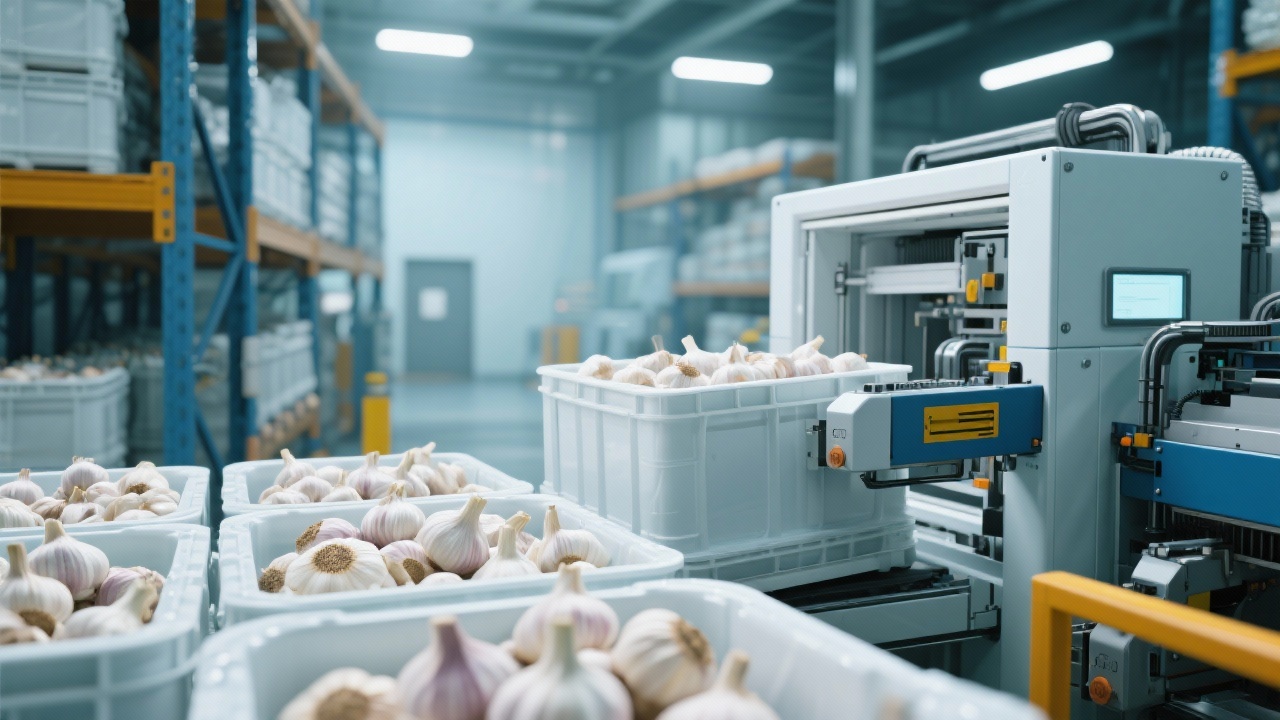
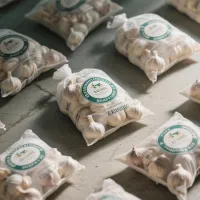
Establishing a standardized acceptance process is crucial for restaurants to ensure the consistency of garlic quality in each batch. This process should include a pre - delivery inspection, where the supplier provides detailed information about the garlic's origin, cultivation methods, and quality control measures. Upon arrival, a random sample of the garlic should be inspected using the three key standards mentioned above.
A well - established acceptance process can significantly reduce the risk of using low - quality garlic, which can lead to inconsistent dish flavors and customer dissatisfaction. In fact, restaurants that have implemented such processes have reported an average improvement of 15% in customer satisfaction scores related to dish quality.
Understanding the unique demand and procurement standards of Grade A pure white garlic in the Middle Eastern food service market is essential for both procurement officers and chefs. By following the guidelines on garlic selection and acceptance processes, restaurants can ensure a stable supply of high - quality garlic, which in turn will enhance the flavor of their dishes and improve customer satisfaction.
If you want to learn more about practical tips and acceptance guidelines for garlic procurement, click here to download our free acceptance standard PDF guide.

 304
|
304
|
 fresh garlic quality
garlic storage techniques
garlic selection guide
agricultural product trade
cold - storage preservation technology
fresh garlic quality
garlic storage techniques
garlic selection guide
agricultural product trade
cold - storage preservation technology
 146
|
European white garlic sales
White garlic pricing strategies
Promotion campaign design
Market positioning
Packaging and quality certification
146
|
European white garlic sales
White garlic pricing strategies
Promotion campaign design
Market positioning
Packaging and quality certification
 148
|
large white garlic vs pure white garlic
export garlic varieties comparison
premium garlic selection guide
garlic culinary applications
agricultural product grading standards
148
|
large white garlic vs pure white garlic
export garlic varieties comparison
premium garlic selection guide
garlic culinary applications
agricultural product grading standards
 111
|
garlic storage
cold storage temperature
food freshness in refrigeration
garlic spoilage prevention
cold chain management
111
|
garlic storage
cold storage temperature
food freshness in refrigeration
garlic spoilage prevention
cold chain management
 241
|
fresh garlic identification
garlic quality judgment
garlic preservation techniques
refrigerated garlic storage
agricultural product purchasing guide
241
|
fresh garlic identification
garlic quality judgment
garlic preservation techniques
refrigerated garlic storage
agricultural product purchasing guide


.png?x-oss-process=image/resize,h_600,m_lfit/format,webp)





.png?x-oss-process=image/resize,h_200,m_lfit/format,webp)





 TikTok
 Facebook