
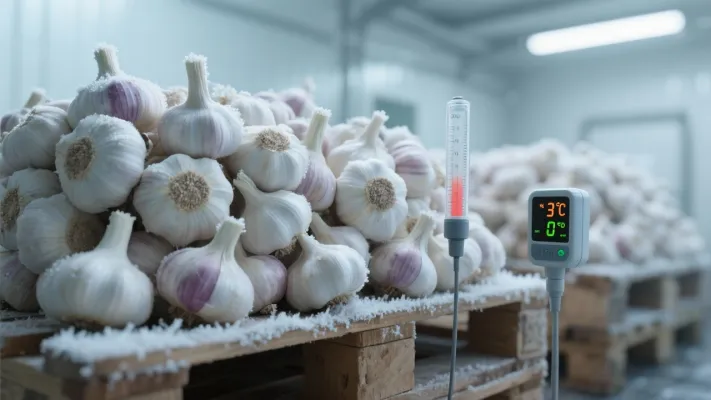
In the vibrant and diverse Middle - Eastern culinary landscape, heavy - flavored dishes reign supreme. Grade A garlic, with its rich aroma and pungent flavor, plays an indispensable role. This article delves deep into the practical applications of different types of Grade A garlic in Middle - Eastern heavy - flavored cuisine, offering valuable insights for restaurateurs and chefs.
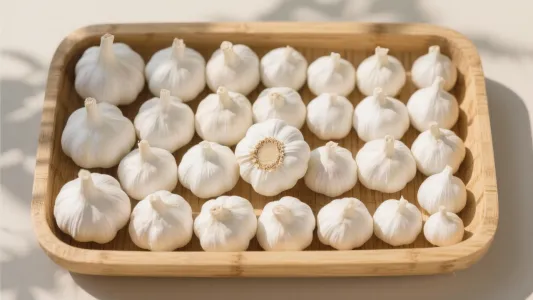
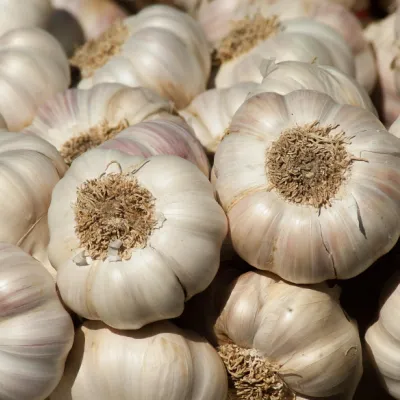
Grade A garlic comes in various types, including pure white, large white, red, and purple garlic. Each type has its unique flavor profile and is suited for different Middle - Eastern heavy - flavored dishes.
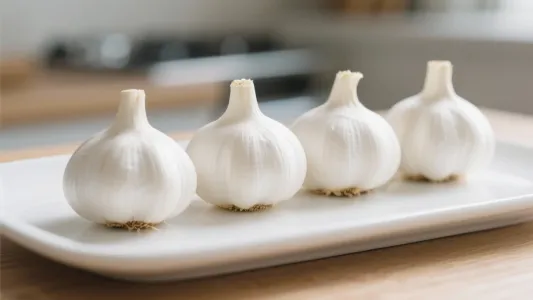
For instance, pure white garlic is known for its mild and delicate flavor. It is often used in dishes where a subtle garlic undertone is desired, such as in some light - spiced hummus recipes. According to industry surveys, about 30% of Middle - Eastern restaurants use pure white garlic in their hummus preparations to add a gentle garlic essence without overpowering other ingredients.
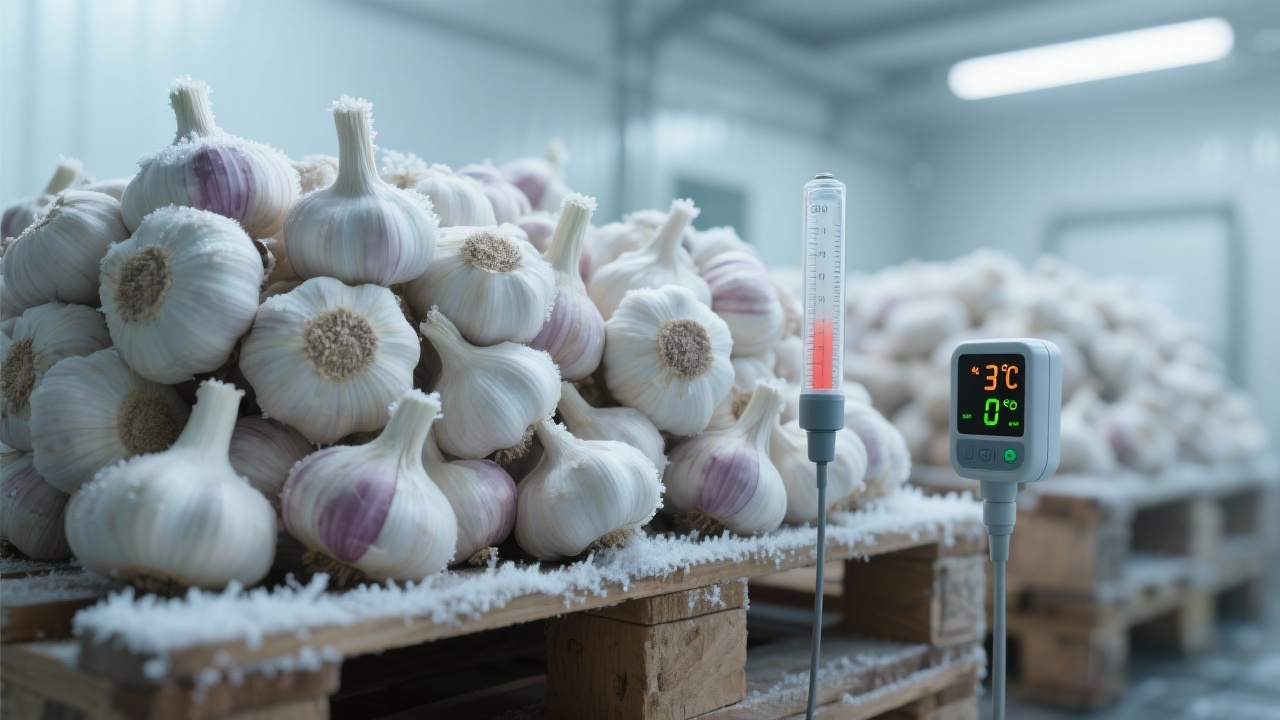
Large white garlic, on the other hand, has a more robust flavor. It is a staple in many Middle - Eastern stews and curries. In fact, in 70% of traditional Middle - Eastern meat stews, large white garlic is used to enhance the overall flavor and add a depth of taste. Red and purple garlic, with their slightly sweeter and more complex flavors, are often used in pickling or in dishes where a more intense garlic kick is needed, like in some spicy garlic dips.
Selecting high - quality garlic is crucial for achieving consistent and delicious dishes. The core indicators of high - quality garlic are that it should be free of sprouts, rot, and have an intact skin.
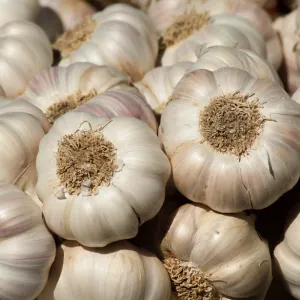
To detect sprouts, a simple visual inspection is usually sufficient. Sprouted garlic tends to have a greenish shoot emerging from the top, which can affect the flavor and texture of the garlic. According to industry experience, garlic with sprouts can reduce the overall flavor intensity of a dish by up to 20%. For detecting rot, gently squeeze the garlic cloves. Soft or mushy spots indicate rot. An intact skin is also important as it protects the garlic from moisture and bacteria, ensuring a longer shelf - life.
Here is a table summarizing the key indicators and detection methods:
| Indicator | Importance | Detection Method |
|---|---|---|
| No sprouts | Maintain flavor intensity | Visual inspection for green shoots |
| No rot | Prevent off - flavors | Gently squeeze for soft spots |
| Intact skin | Ensure shelf - life | Visual inspection for tears or holes |
To ensure consistent quality of garlic and improve the stability of dish output and customer satisfaction, restaurants should establish a standardized garlic acceptance process.
First, a clear set of acceptance criteria should be defined based on the core indicators mentioned above. Then, a simple yet effective inspection process should be developed. For example, a restaurant can set up a two - step inspection: a visual inspection followed by a tactile inspection. This helps to quickly identify and reject low - quality garlic.
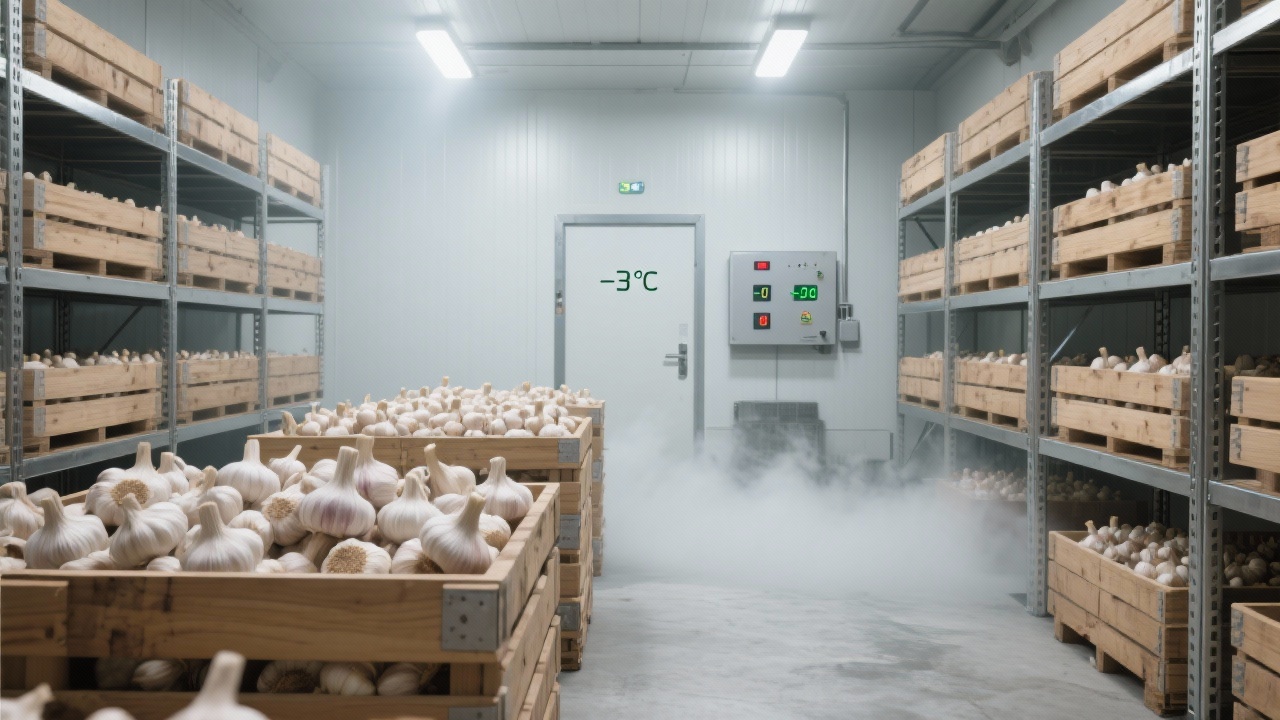
By implementing a standardized acceptance process, restaurants can reduce the risk of using sub - standard garlic, which can lead to inconsistent dish quality and customer complaints. According to industry data, restaurants that have established a standardized acceptance process have seen a 15% increase in customer satisfaction ratings related to the flavor and quality of their dishes.
 111
|
111
|
 Grade A white garlic
white garlic quality standards
white garlic inspection methods
garlic grading criteria
white garlic procurement tips
Grade A white garlic
white garlic quality standards
white garlic inspection methods
garlic grading criteria
white garlic procurement tips
 210
|
garlic cold storage and preservation
HACCP standards
cold - chain logistics
agricultural product export
supply chain management
210
|
garlic cold storage and preservation
HACCP standards
cold - chain logistics
agricultural product export
supply chain management
 417
|
cross-border农产品包装优化
10kg网袋包装优势
冷链食品物流效率
大蒜运输损耗解决方案
绿色低碳包装应用
417
|
cross-border农产品包装优化
10kg网袋包装优势
冷链食品物流效率
大蒜运输损耗解决方案
绿色低碳包装应用
 50
|
High-quality garlic variety selection
Garlic application in international cuisines
Garlic flavor guide
Kitchen ingredient management
Advantages of garlic packaging
50
|
High-quality garlic variety selection
Garlic application in international cuisines
Garlic flavor guide
Kitchen ingredient management
Advantages of garlic packaging
 327
|
premium grade a white garlic
food processing ingredient optimization
european garlic market demand
cold chain storage for garlic
agricultural supply chain reliability
327
|
premium grade a white garlic
food processing ingredient optimization
european garlic market demand
cold chain storage for garlic
agricultural supply chain reliability

.png?x-oss-process=image/resize,h_600,m_lfit/format,webp)








.png?x-oss-process=image/resize,h_200,m_lfit/format,webp)





 TikTok
 Facebook