
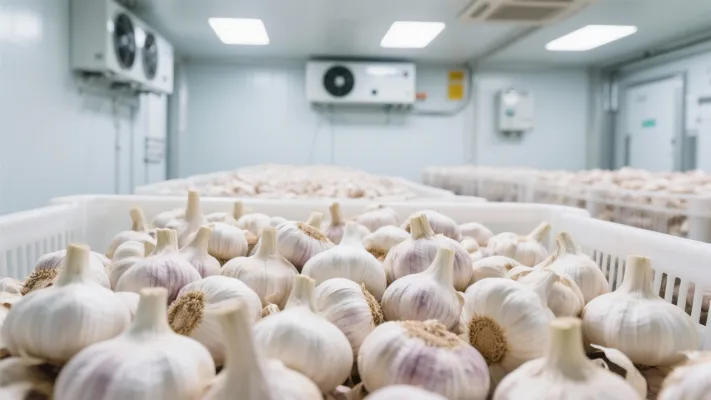
"Ensuring consistent quality garlic from each batch can elevate your kitchen’s flavor profile and create loyal customers – starting with the fundamentals of procurement standards." – Industry Insight
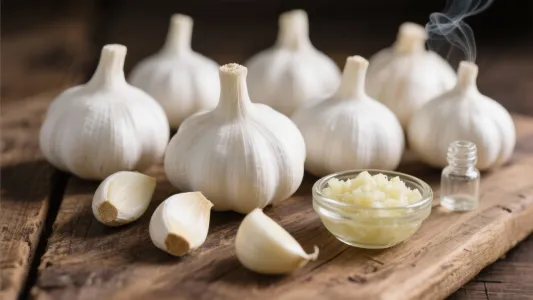
If you’ve ever wondered why your dishes lack that signature garlic punch, the answer often lies in the quality and selection of garlic used. As a procurement manager or head chef in the Middle East’s demanding restaurant scene, mastering Grade A garlic selection isn’t just a quality assurance step—it’s a strategic move towards food consistency and customer satisfaction.
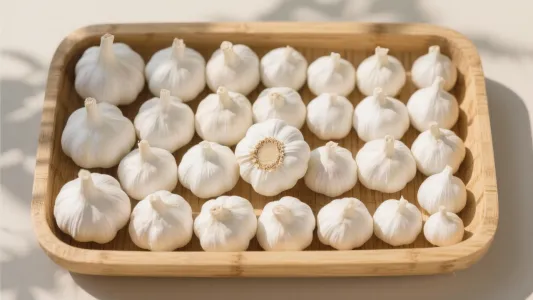
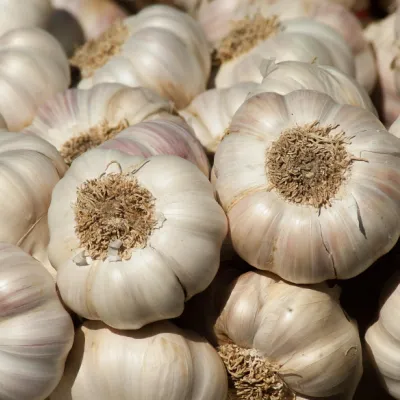
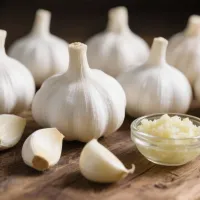
Grade A garlic is not a monolith; it encompasses varieties that bring distinct aroma and flavor profiles tailored to different dishes. The four prominent types you’ll encounter are:
Ensuring Grade A status demands rigorous checks. Applying these three simple yet effective criteria will drastically reduce quality inconsistencies:
One reliable hands-on method is the light compression hardness test. Gently squeeze a garlic bulb with your fingers:
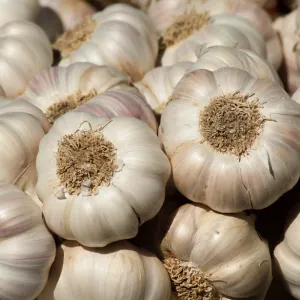
Complement this by closely examining the root base: healthy Grade A garlic displays tight and dry roots, not moist or blackened ends.
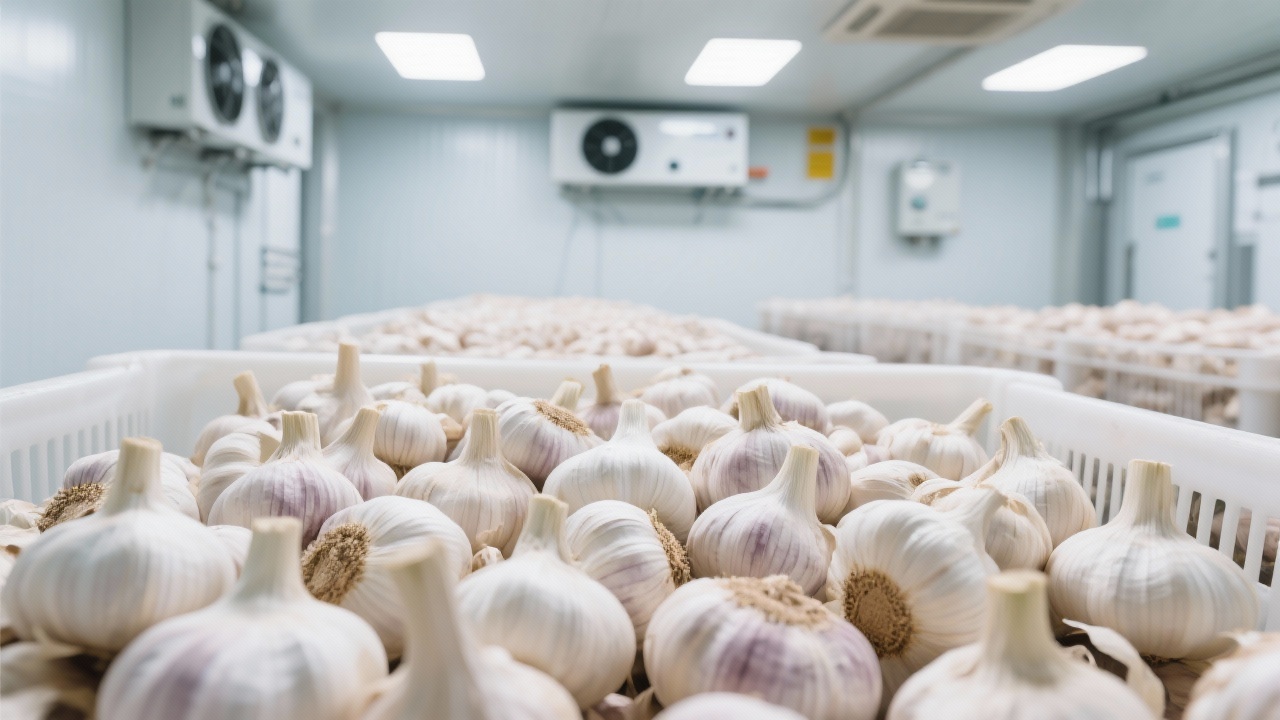
Consistency starts at reception. Implement a documented acceptance checklist using the mentioned quality factors. Training your receiving team on these standards ensures:
Consider integrating batch tagging and supplier scorecards as part of your procurement workflow to hold your partners accountable.
Compared to standard garlic, Grade A offers:
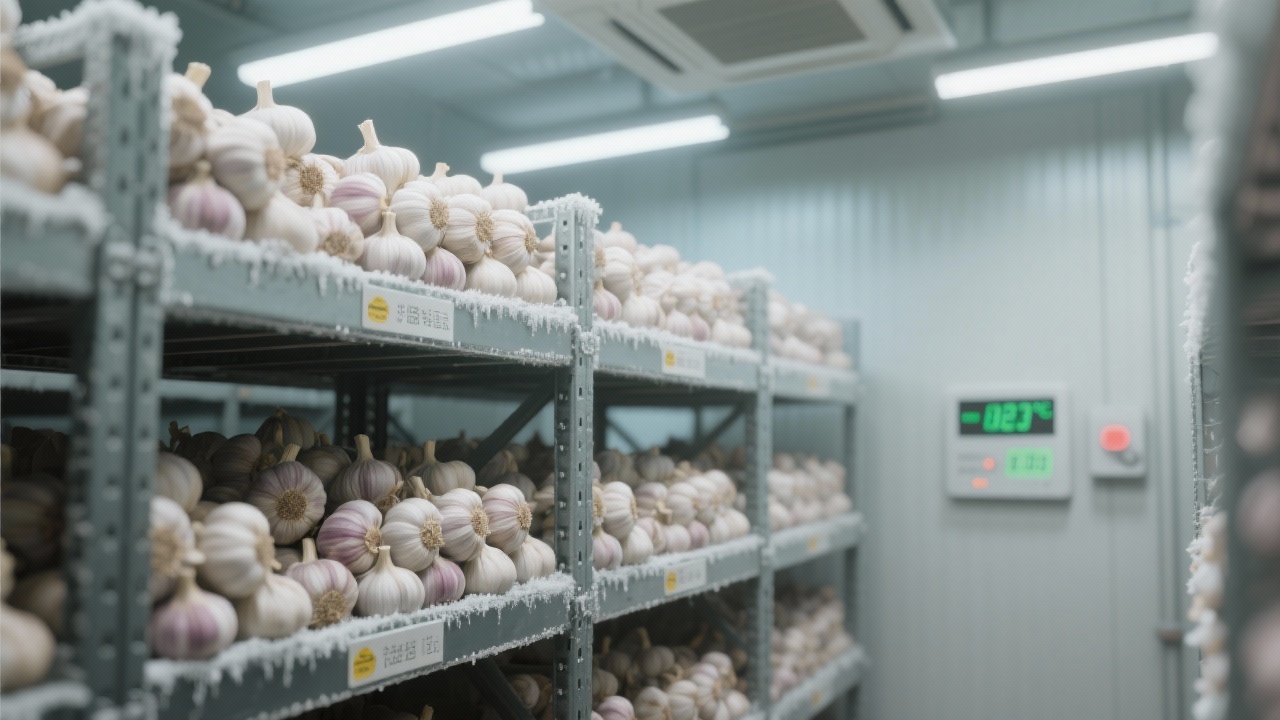
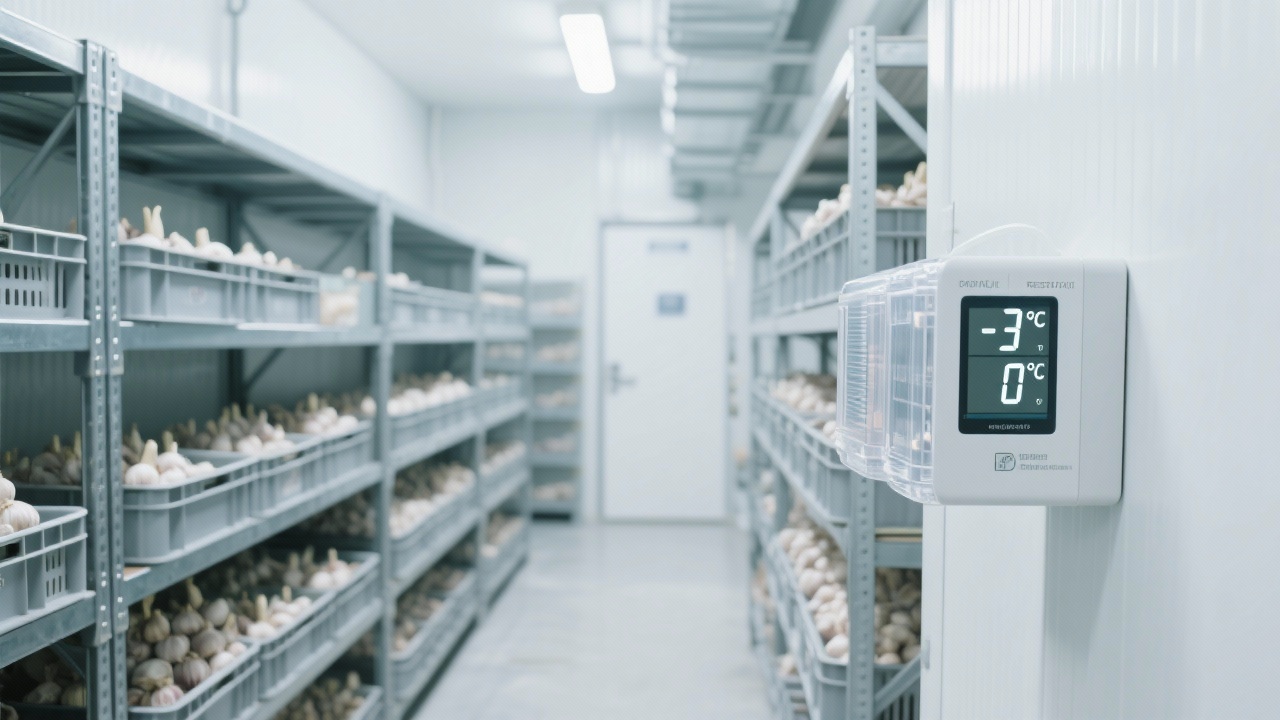
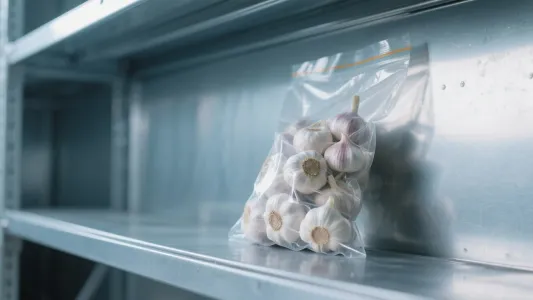
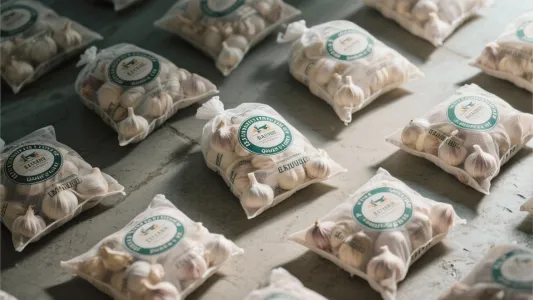
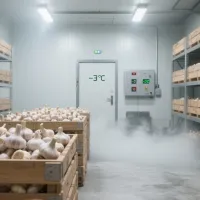
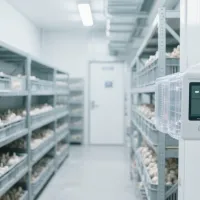
Middle East's restaurant industry demands stability, and unpredictability in raw materials can disrupt operations. Securing suppliers who guarantee year-round Grade A garlic supply backed by robust cold chain logistics offers you:
 324
|
324
|
 ["fresh ginger health benefits"
"gingerols and curcumin mechanism"
"clinical research on ginger"
"functional food nutrition"
"natural remedies for immunity"]
["fresh ginger health benefits"
"gingerols and curcumin mechanism"
"clinical research on ginger"
"functional food nutrition"
"natural remedies for immunity"]
 485
|
fresh garlic cold storage
garlic preservation technology
low-temperature cold chain management
mesh bag packaging advantages
year-round stable supply
485
|
fresh garlic cold storage
garlic preservation technology
low-temperature cold chain management
mesh bag packaging advantages
year-round stable supply
 461
|
garlic cold chain management
net bag packaging for garlic
cold storage temperature for garlic
garlic shelf life extension
food processing raw material preservation
461
|
garlic cold chain management
net bag packaging for garlic
cold storage temperature for garlic
garlic shelf life extension
food processing raw material preservation
 146
|
Grade A white garlic standards
Garlic sourcing guide
European garlic market
High - quality garlic inspection techniques
Garlic quality assessment
146
|
Grade A white garlic standards
Garlic sourcing guide
European garlic market
High - quality garlic inspection techniques
Garlic quality assessment
 493
|
Garlic cold storage preservation
Low - temperature storage technology
Garlic nutrition retention
Cold chain management solutions
Extension of agricultural product shelf life
493
|
Garlic cold storage preservation
Low - temperature storage technology
Garlic nutrition retention
Cold chain management solutions
Extension of agricultural product shelf life


.png?x-oss-process=image/resize,h_600,m_lfit/format,webp)




.png?x-oss-process=image/resize,h_200,m_lfit/format,webp)





 TikTok
 Facebook