
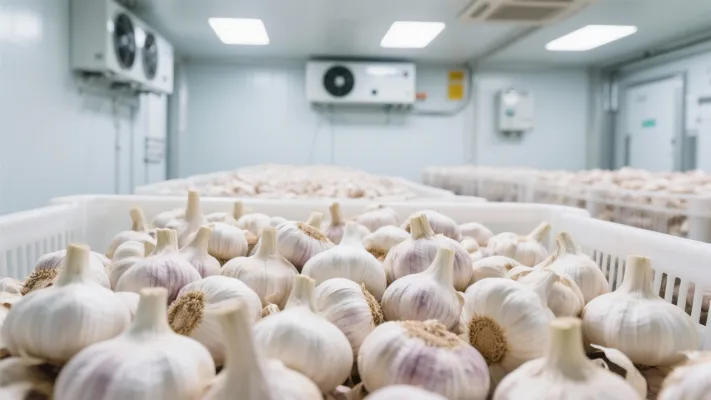
For Middle Eastern restaurants, the distinct aroma and robust flavor of garlic are essential to authentic cuisine. Securing Grade A garlic that consistently delivers freshness, no sprouts, and intact skin is vital for maintaining dish quality and customer satisfaction. This guide offers a clear, actionable three-step method enabling kitchen professionals to quickly identify superior garlic—helping procurement teams standardize their inspection process and uphold ingredient excellence.
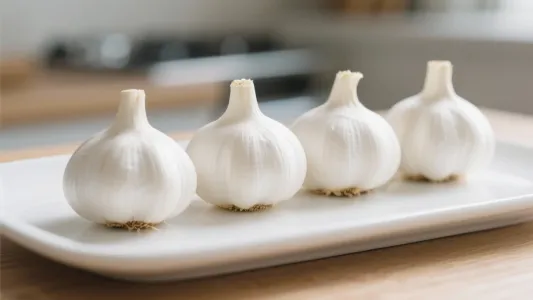
Not all garlic is created equal. In Middle Eastern kitchens, chefs often distinguish between pure white, large white, red, and purple garlic. Each variety has a unique flavor profile and ideal applications:
Sprouting garlic significantly changes its taste, often introducing bitterness and reducing shelf life. To identify sprout-free bulbs:
Industry Insight:
Studies show that sprouted garlic can lose up to 20% of its allicin content—the key compound delivering garlic’s health benefits and flavor. Restaurants report a 15% increase in customer satisfaction when sourcing strictly sprout-free garlic.
Rot or mold compromises both taste and safety. Key checks include:
Intact skin protects garlic from moisture loss and microbial contamination:
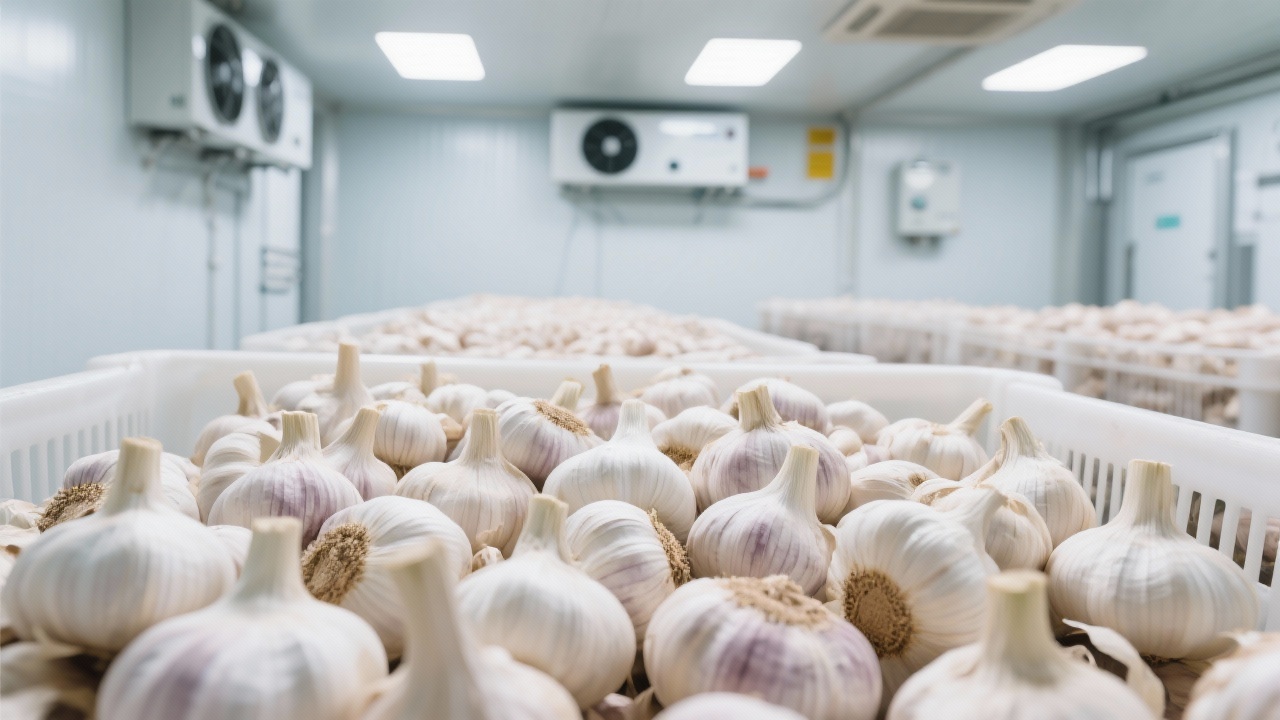
Implementing a structured acceptance process is crucial for procurement teams aiming for batch consistency:
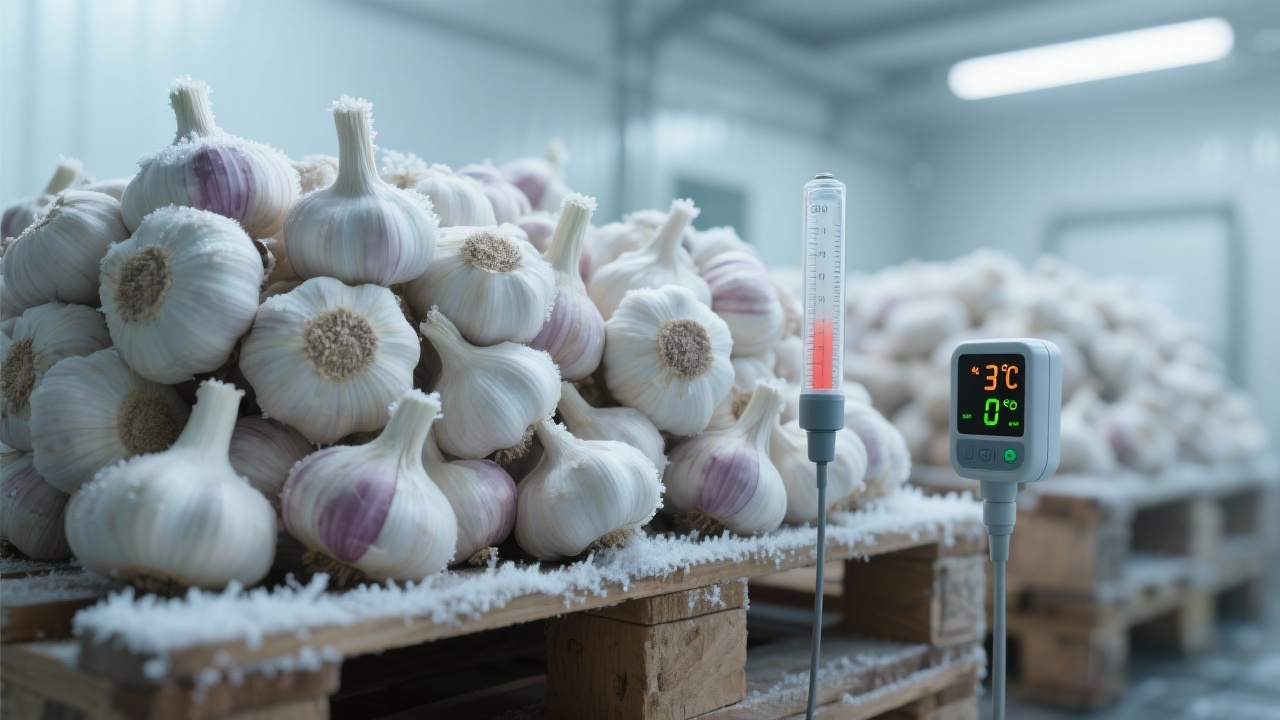
The difference between great dishes and forgettable meals often starts at the ingredient level. Quality Grade A garlic ensures:
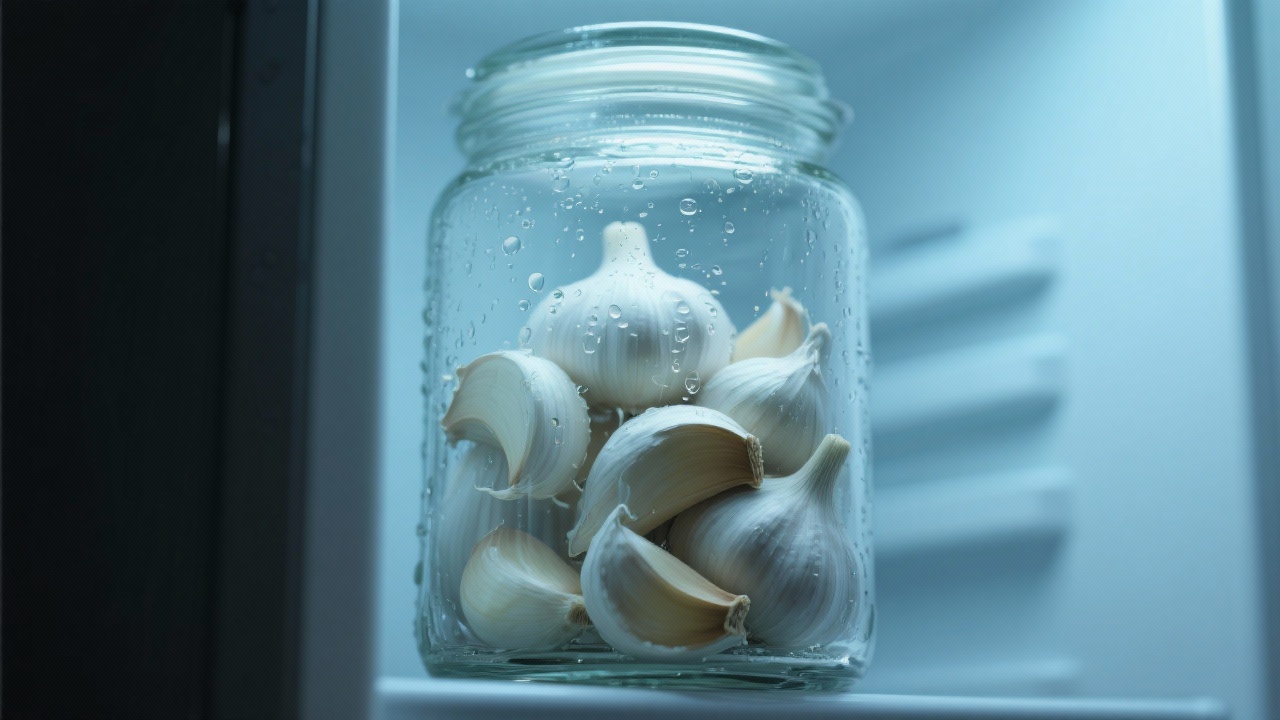
By refining the garlic selection process with these steps, restaurants heighten culinary consistency — a key differentiator in the competitive Middle Eastern dining market.
 320
|
320
|
 10kg mesh bag packaging
cold chain warehousing
garlic transportation efficiency
humidity control in logistics
cross-border food shipping optimization
10kg mesh bag packaging
cold chain warehousing
garlic transportation efficiency
humidity control in logistics
cross-border food shipping optimization
 372
|
garlic nutrient retention
cold chain logistics for garlic
quality garlic storage
year-round garlic supply
European garlic import standards
372
|
garlic nutrient retention
cold chain logistics for garlic
quality garlic storage
year-round garlic supply
European garlic import standards
 238
|
garlic preservation
cold storage temperature control
food freshness
cold chain storage
humidity management
238
|
garlic preservation
cold storage temperature control
food freshness
cold chain storage
humidity management
 156
|
fresh garlic
garlic storage techniques
mesh bag packaging
garlic variety selection
international agricultural products supply
156
|
fresh garlic
garlic storage techniques
mesh bag packaging
garlic variety selection
international agricultural products supply
 176
|
Grade A garlic
Middle - Eastern cuisine
Garlic selection standards
Pure - white garlic applications
Restaurant acceptance process
176
|
Grade A garlic
Middle - Eastern cuisine
Garlic selection standards
Pure - white garlic applications
Restaurant acceptance process


.png?x-oss-process=image/resize,h_600,m_lfit/format,webp)







.png?x-oss-process=image/resize,h_200,m_lfit/format,webp)





 TikTok
 Facebook