
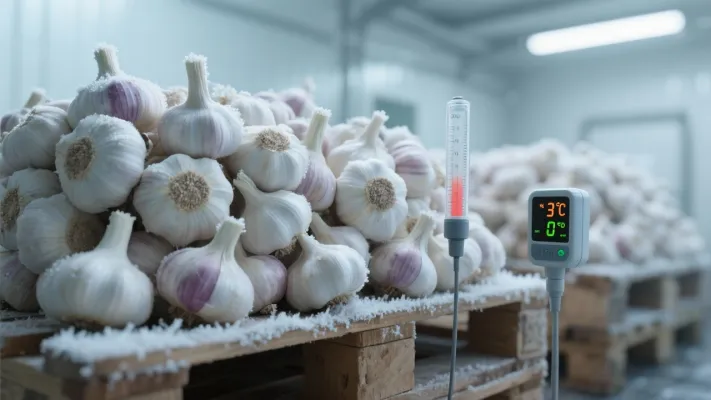
For Middle Eastern catering practitioners, understanding the nuances between different types of garlic is crucial for elevating your dishes. This guide will take you through the flavor disparities and ideal application scenarios of Grade A pure white garlic, big white garlic, red garlic, and purple garlic. Let's start by focusing on the Middle Eastern kitchen's preference for bold flavors and how different garlic varieties contribute distinct flavor profiles.
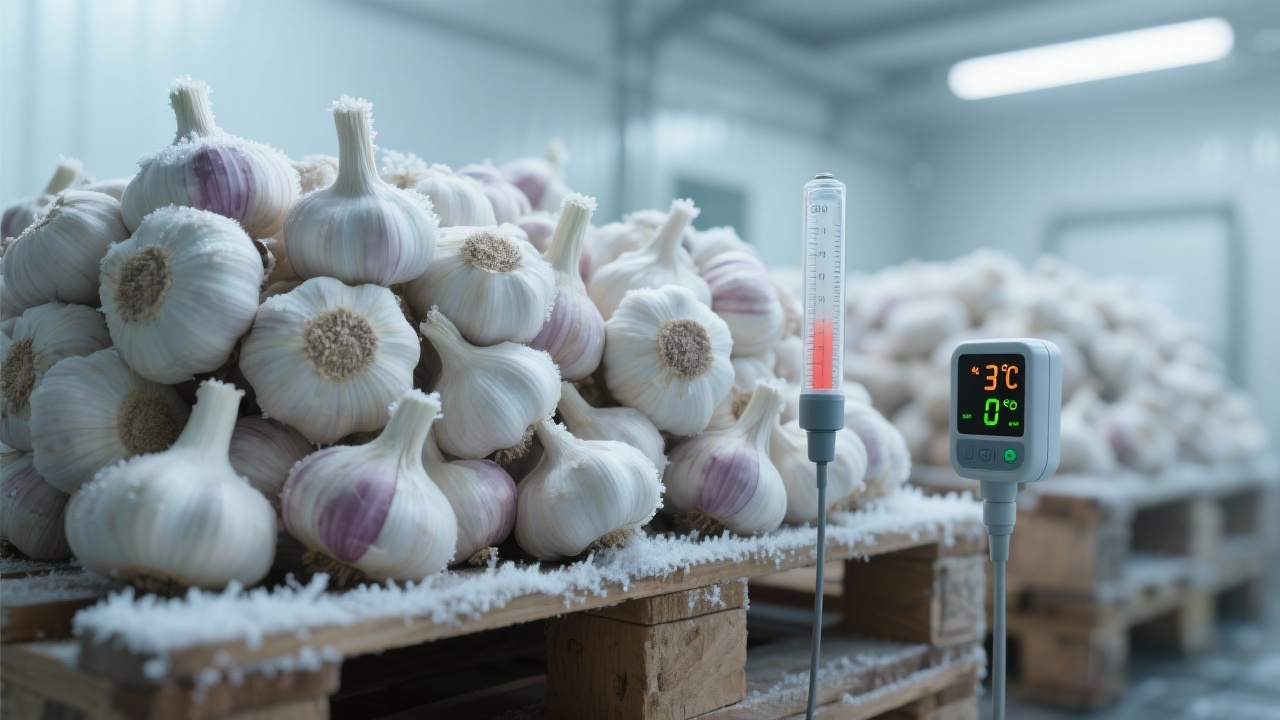
In Middle Eastern cuisine, the taste is often intense and complex. Each type of garlic plays a unique role due to its specific flavor characteristics. For example, Grade A pure white garlic offers a milder and more delicate flavor, which is perfect for dishes where you want the garlic to blend in subtly without overpowering other ingredients. It can be used in slow - cooked stews to add a gentle aroma over time.
Big white garlic, on the other hand, has a more robust and pungent flavor. It's great for dishes that require a strong garlic kick, such as garlic dips or marinades. Red garlic has a slightly sweet and spicy undertone, making it suitable for adding depth to meat dishes. Purple garlic is known for its beautiful appearance and a flavor that is both sharp and fragrant, often used for decorative purposes as well as in light salads to add a pop of flavor.
Let's delve deeper into the core features of these four types of garlic. Grade A pure white garlic is characterized by its large, plump cloves and a clean, fresh taste. It's ideal for long - simmered dishes like tagines, where it can slowly infuse the dish with its flavor. Big white garlic has larger cloves and a stronger flavor, making it a staple in garlic - heavy dishes like hummus.
Red garlic is smaller in size but packs a flavorful punch. Its unique taste makes it a great addition to grilled meats and kebabs. Purple garlic, with its distinct color, is not only visually appealing but also adds a unique flavor to cold dishes. You can use it as a garnish on top of a plate or mix it into a vinaigrette for a salad.
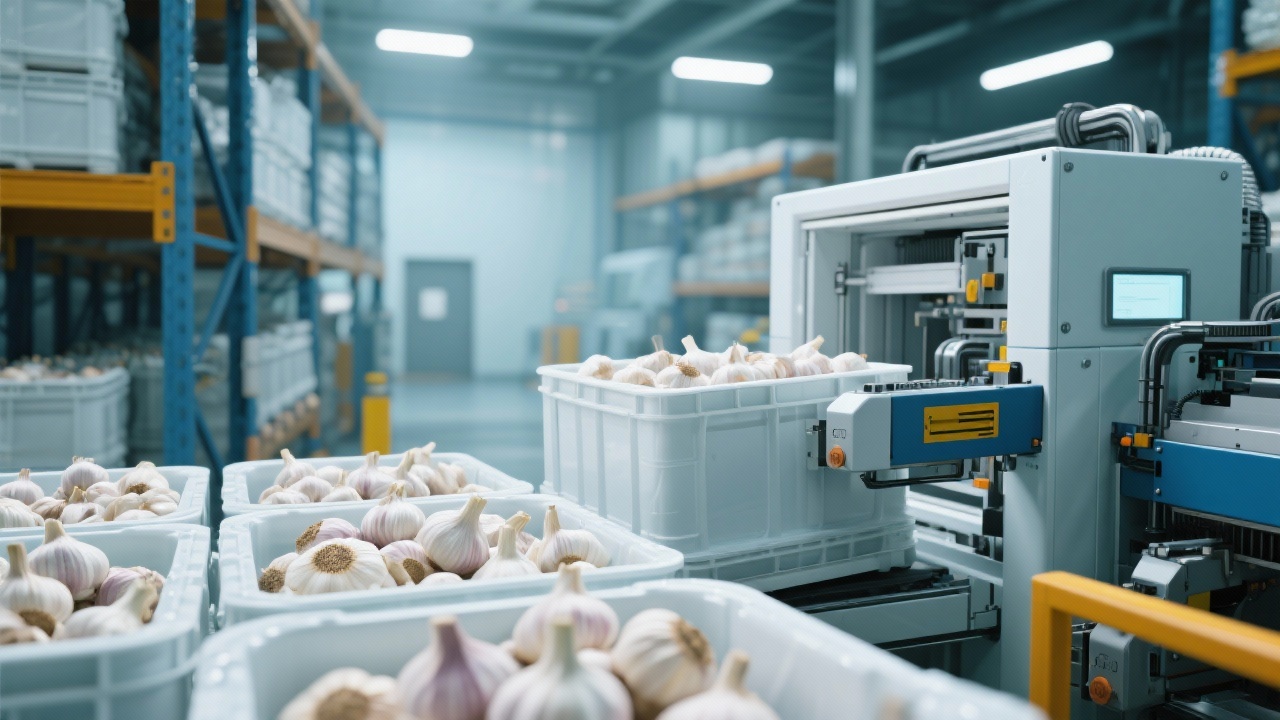
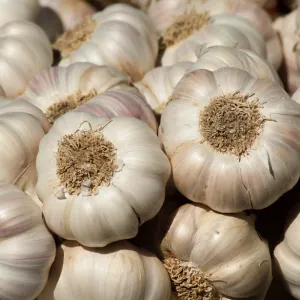
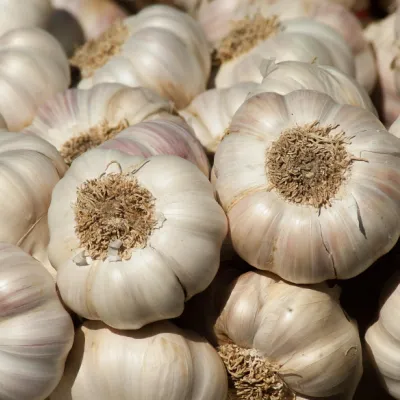
When purchasing garlic, it's essential to know how to identify high - quality bulbs. Here are three key indicators: no sprouts, no rot, and intact skin. Sprouted garlic often has a bitter taste and reduced flavor. You can easily check for sprouts by looking at the tip of the clove. Rot can spread quickly and ruin the whole bulb, so make sure to inspect each clove for any signs of discoloration or soft spots.
An intact skin protects the garlic from moisture and bacteria. A good way to test for skin integrity is to gently squeeze the bulb. If it feels firm and the skin is unbroken, it's a sign of a fresh and high - quality garlic bulb.
Industry experience shows that using these three indicators can significantly improve the quality of the garlic you purchase, leading to better - tasting dishes.
To ensure batch stability and consistent dish quality in your restaurant, it's crucial to establish raw material acceptance standards. First, define the specific requirements for each type of garlic, such as size, flavor, and the three key indicators mentioned above. Then, train your kitchen staff on the inspection process.
Create a checklist for each delivery, including visual inspections and basic taste tests. By having a standardized acceptance process, you can minimize the risk of using sub - standard garlic in your dishes, which will ultimately lead to higher customer satisfaction.
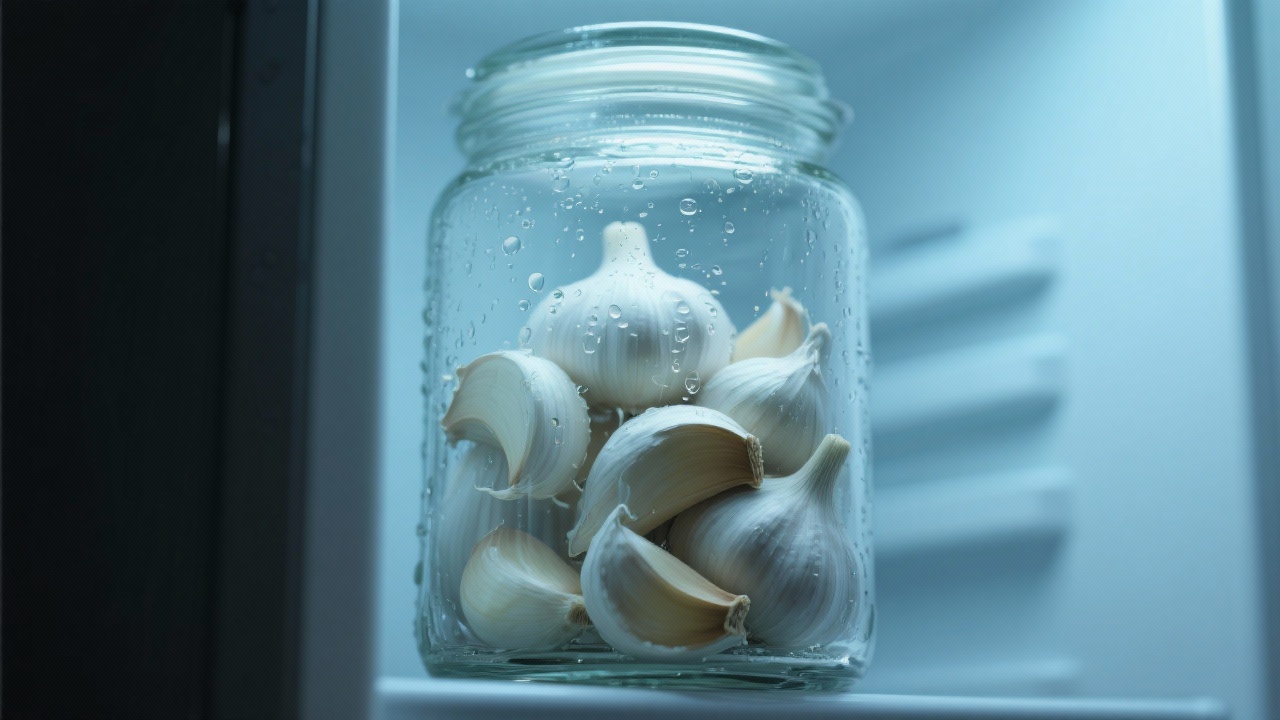
Based on on - the - ground experience, there is a noticeable difference in the sensory experience when using regular garlic and Grade A garlic. Grade A garlic generally has a more intense and pure flavor, which can enhance the overall taste of your dishes. After cooking, the flavor of Grade A garlic lingers longer on the palate, providing a more satisfying dining experience for your customers.
Are you interested in learning more about how to establish raw material acceptance standards? Click here to get the PDF guide.

 415
|
415
|
 organic ginger application
ginger essential oil production
ginger health benefits
ginger cooking techniques
ginger pickling methods
organic ginger application
ginger essential oil production
ginger health benefits
ginger cooking techniques
ginger pickling methods
 221
|
garlic shelf life extension
cold storage temperature control
food preservation techniques
cold chain management
garlic storage best practices
221
|
garlic shelf life extension
cold storage temperature control
food preservation techniques
cold chain management
garlic storage best practices
 494
|
Grade A white garlic
garlic quality standards
export garlic sourcing
premium garlic identification
garlic procurement guide
494
|
Grade A white garlic
garlic quality standards
export garlic sourcing
premium garlic identification
garlic procurement guide
 467
|
garlic varieties for international cuisine
how to choose garlic for different dishes
garlic export standards
best garlic types for cooking
garlic packaging for freshness
467
|
garlic varieties for international cuisine
how to choose garlic for different dishes
garlic export standards
best garlic types for cooking
garlic packaging for freshness
 408
|
organic ginger cultivation
ecological pest management ginger
export-grade ginger quality
pesticide-free fresh ginger
high-quality organic ginger
408
|
organic ginger cultivation
ecological pest management ginger
export-grade ginger quality
pesticide-free fresh ginger
high-quality organic ginger


.png?x-oss-process=image/resize,h_600,m_lfit/format,webp)






.png?x-oss-process=image/resize,h_200,m_lfit/format,webp)





 TikTok
 Facebook