
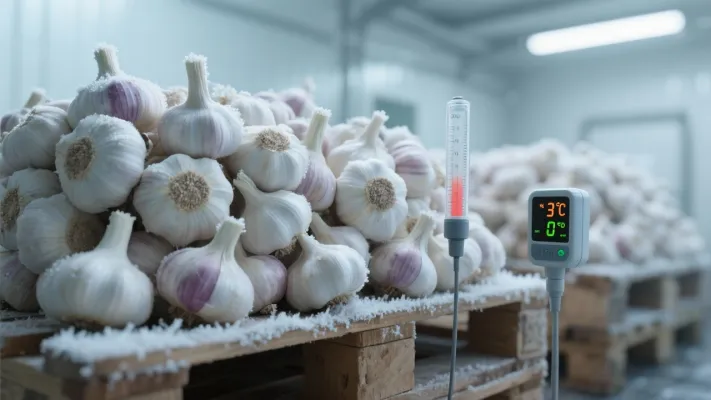
As a restaurateur in the Middle East, you're no stranger to the challenge of maintaining consistent flavor in your dishes. The quality of garlic, a staple ingredient in many Middle Eastern recipes, can significantly impact the taste of your cuisine. In this article, we'll explore the unique characteristics of A-grade garlic and how it can elevate your culinary offerings.
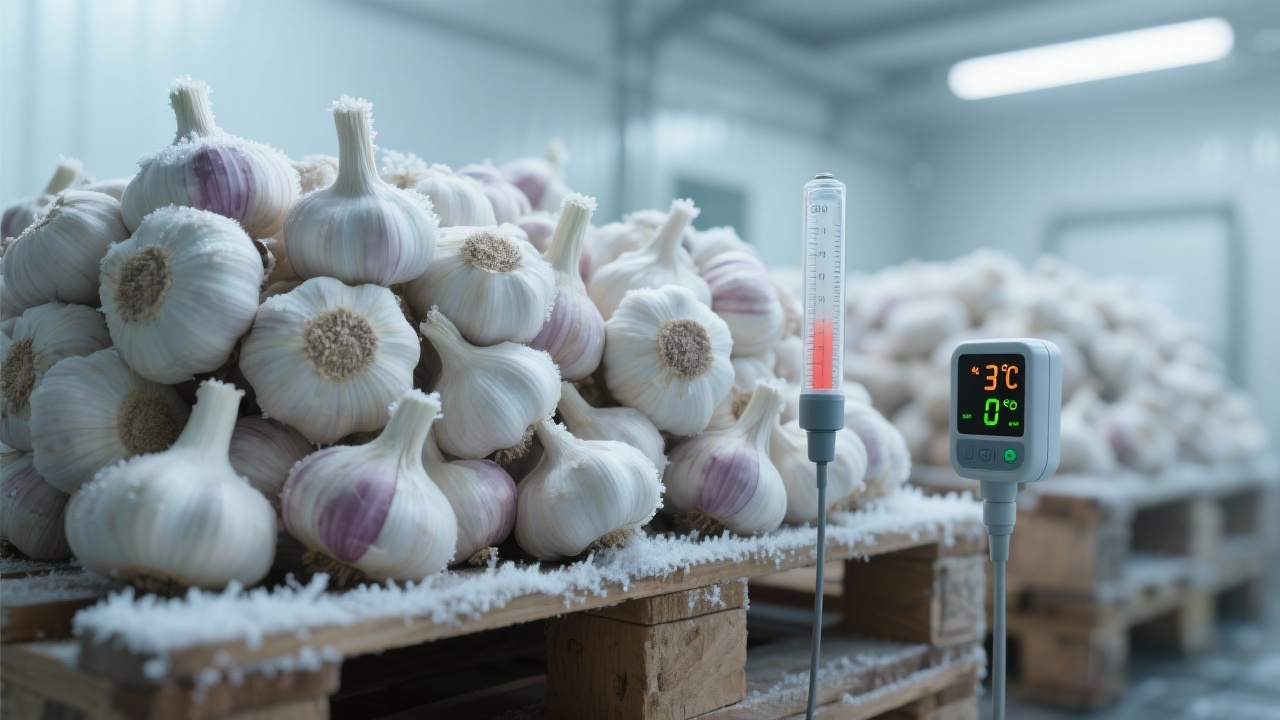
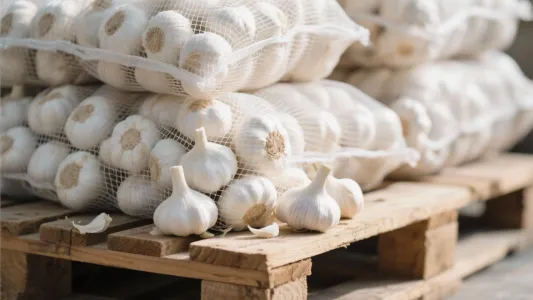
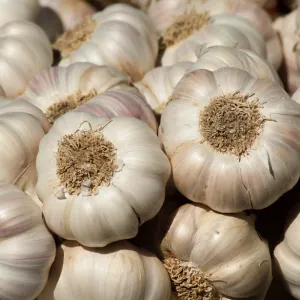
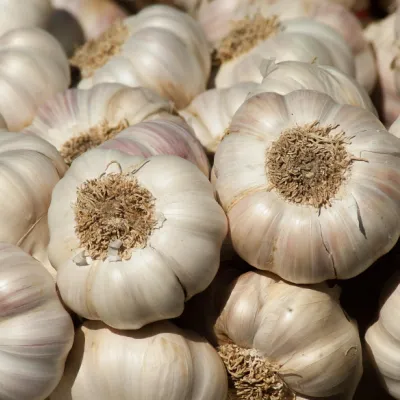
There are four main varieties of A-grade garlic that are commonly used in Middle Eastern cuisine: pure white, big white, red garlic, and purple garlic. Each variety has its own distinct flavor profile and culinary applications.
Choosing the right garlic is crucial to achieving the best flavor in your dishes. Here are three simple steps to help you identify high-quality A-grade garlic:

In addition to the three steps mentioned above, you can also use some sensory-based detection methods to further assess the quality of the garlic:
Establishing a standardized acceptance process for your garlic supply is essential for maintaining consistency in your dishes. Here is a simple template that you can use to create your own acceptance process:
"A well-defined acceptance process is the foundation of a stable supply chain. By ensuring that every batch of garlic meets your quality standards, you can guarantee the consistency and quality of your dishes." - A Middle Eastern cuisine expert
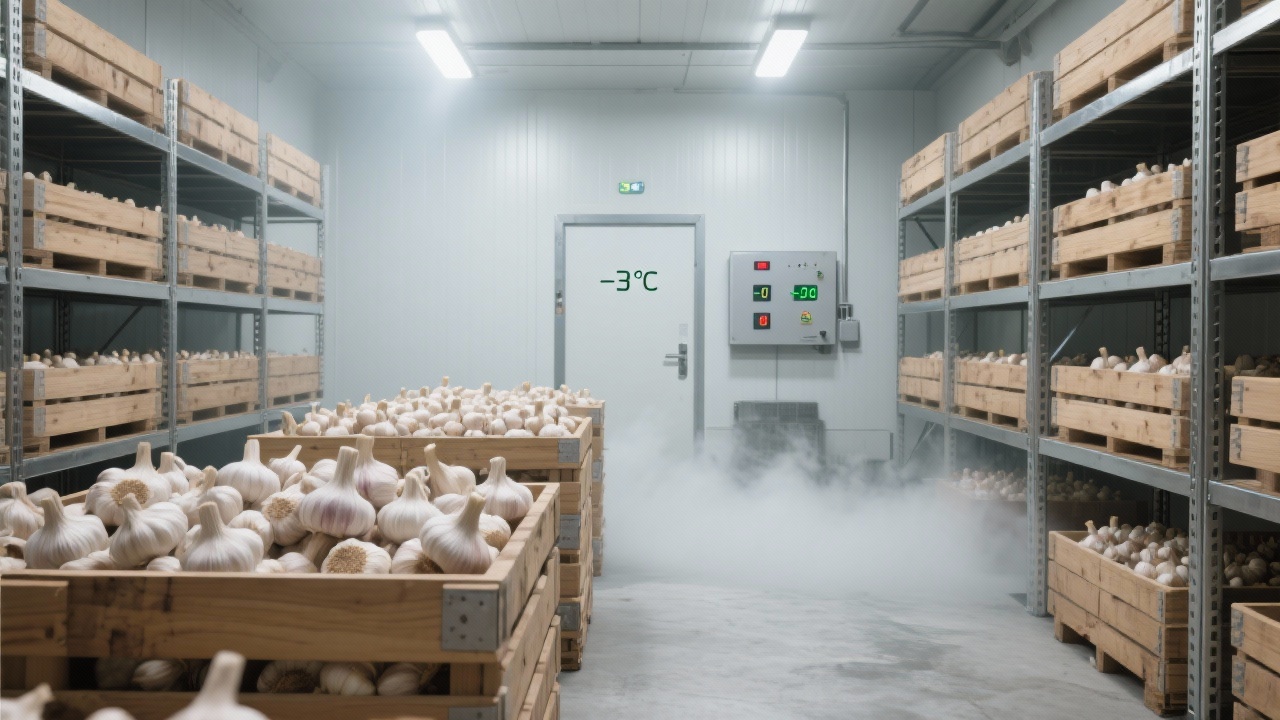
When it comes to garlic, not all bulbs are created equal. A-grade garlic offers several advantages over ordinary garlic:
By using A-grade garlic in your restaurant, you can enhance the flavor of your dishes, improve the consistency of your culinary offerings, and ultimately increase customer satisfaction. Don't miss out on the opportunity to take your Middle Eastern cuisine to new heights with A-grade garlic.
Get the PDF version of the "Restaurant Raw Material Acceptance Checklist" now!
 96
|
96
|
 garlic packaging solutions
mesh bag for garlic
cold chain logistics for fresh produce
garlic quality preservation
agricultural supply chain optimization
garlic packaging solutions
mesh bag for garlic
cold chain logistics for fresh produce
garlic quality preservation
agricultural supply chain optimization
 50
|
High-quality garlic variety selection
Garlic application in international cuisines
Garlic flavor guide
Kitchen ingredient management
Advantages of garlic packaging
50
|
High-quality garlic variety selection
Garlic application in international cuisines
Garlic flavor guide
Kitchen ingredient management
Advantages of garlic packaging
 381
|
garlic selection tips
garlic storage methods
fresh garlic preservation
mesh bag packaging benefits
cold storage for garlic
381
|
garlic selection tips
garlic storage methods
fresh garlic preservation
mesh bag packaging benefits
cold storage for garlic
 479
|
Garlic variety selection
Kitchen management solution
Export garlic packaging
International cuisine garlic usage skills
10kg mesh bagged garlic
479
|
Garlic variety selection
Kitchen management solution
Export garlic packaging
International cuisine garlic usage skills
10kg mesh bagged garlic
 241
|
fresh garlic identification
garlic quality judgment
garlic preservation techniques
refrigerated garlic storage
agricultural product purchasing guide
241
|
fresh garlic identification
garlic quality judgment
garlic preservation techniques
refrigerated garlic storage
agricultural product purchasing guide


.png?x-oss-process=image/resize,h_600,m_lfit/format,webp)







.png?x-oss-process=image/resize,h_200,m_lfit/format,webp)





 TikTok
 Facebook