
In the global market, fresh garlic is a highly sought - after agricultural product, widely used in the food industry, catering services, and health - conscious lifestyles. Understanding the market demand and quality standards of fresh garlic is crucial for foreign trade enterprises to make accurate product selections. This article aims to provide a comprehensive guide on judging the quality of fresh garlic, including appearance, touch, and storage factors.
The demand for fresh garlic is on the rise globally. In the food processing industry, garlic is a key ingredient in various seasonings, sauces, and ready - to - eat meals. According to industry reports, the annual growth rate of the global garlic processing market is approximately 5%. In the catering industry, restaurants and cafes around the world use fresh garlic to enhance the flavor of their dishes. Moreover, with the increasing awareness of health, more consumers are turning to garlic for its antibacterial and immune - boosting properties.
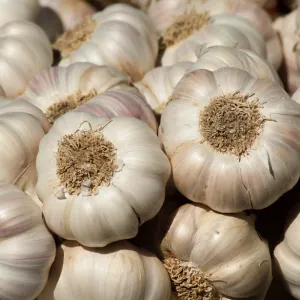
One of the most important indicators of fresh garlic quality is its appearance. High - quality fresh garlic should have evenly sized cloves. Research shows that garlic with cloves of uniform size not only looks better but also has a more consistent flavor. The epidermis of the garlic should be shiny, without any signs of mildew or mechanical damage. For example, a batch of garlic with dull and moldy skins is likely to have a shorter shelf - life and lower nutritional value. 
When it comes to touch, fresh garlic should feel firm. Soft garlic is often a sign of spoilage or improper storage. By gently squeezing the garlic, you can quickly assess its freshness. If the garlic gives in easily under pressure, it is probably not fresh. This simple tactile test can help food buyers and consumers avoid purchasing sub - standard garlic.
Proper storage is essential for maintaining the quality of fresh garlic. Refrigeration is one of the most effective methods. The principle behind refrigeration is to slow down the physiological processes of the garlic, such as respiration and sprouting. When stored at a temperature of around 0 - 4°C, the freshness of garlic can be extended significantly. For instance, garlic stored at room temperature may start to sprout or develop an unpleasant odor within a week, while garlic stored in the refrigerator can remain fresh for up to two months. 
For food buyers, restaurant owners, and consumers interested in healthy living, here are some practical tips. When selecting garlic, always check the appearance and touch as mentioned above. Avoid garlic with a soft texture or an unpleasant odor. As for storage, if you don't have a large - scale refrigeration facility, you can also use a cool, dry place with good ventilation. However, for long - term storage, refrigeration is still the best option.
Let's take a look at some industry cases. A food processing company once purchased a batch of low - quality garlic without proper quality inspection. The garlic had a high rate of spoilage during storage, which led to significant losses in production. In contrast, another company that strictly followed the quality standards and used proper storage methods was able to maintain a stable supply of high - quality garlic products, gaining a good reputation in the market. 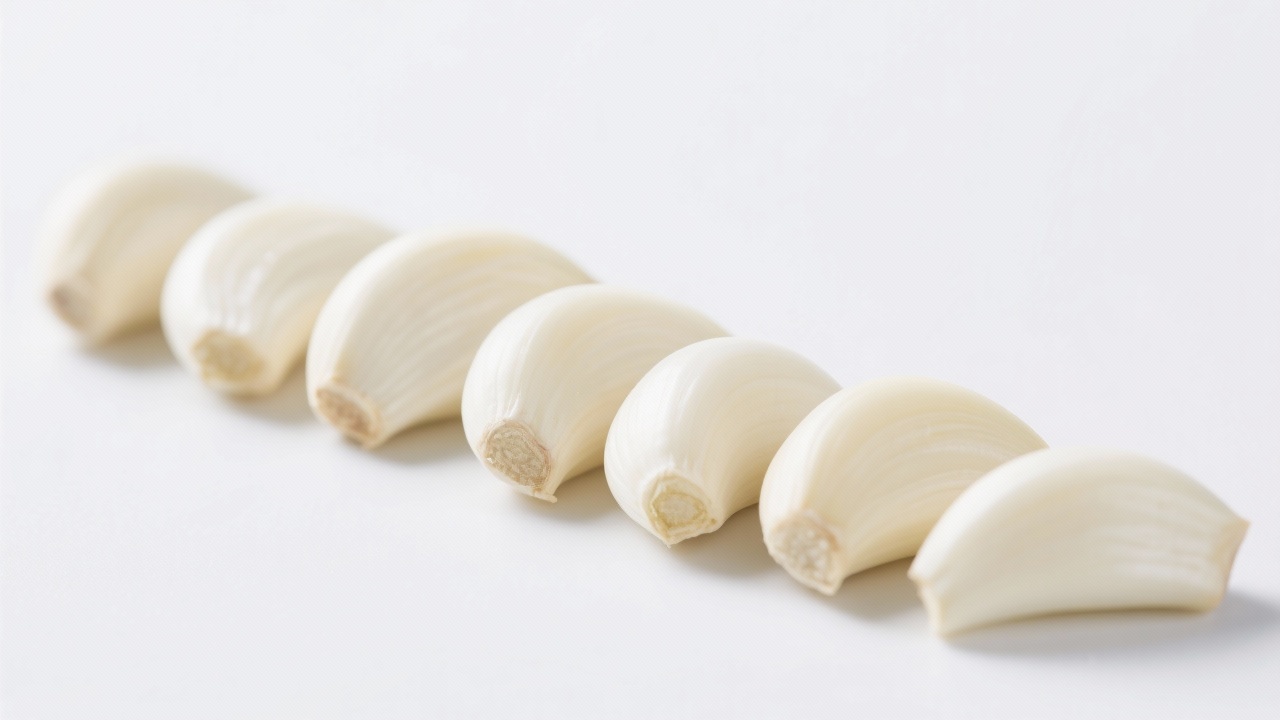
In conclusion, understanding the quality standards and market demand of fresh garlic is crucial for both consumers and foreign trade enterprises. By following the tips and knowledge provided in this article, you can make more informed decisions when purchasing and storing garlic. If you are looking for high - quality fresh garlic suppliers, click here to explore more options and start your journey towards优质采购!
.png?x-oss-process=image/resize,h_600,m_lfit/format,webp)



.png?x-oss-process=image/resize,h_200,m_lfit/format,webp)





 TikTok
 Facebook