
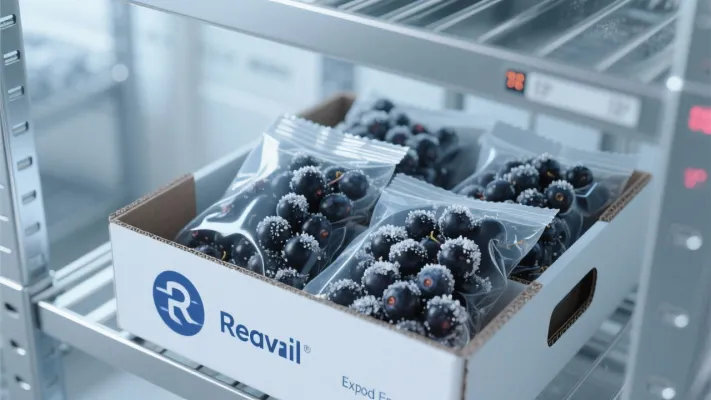
In the global agricultural product supply chain, cold chain preservation technology has emerged as a game - changer, especially when it comes to garlic storage and transportation. Maintaining a constant temperature between -3°C and 0°C has been proven to be the optimal range for extending the shelf - life of garlic.
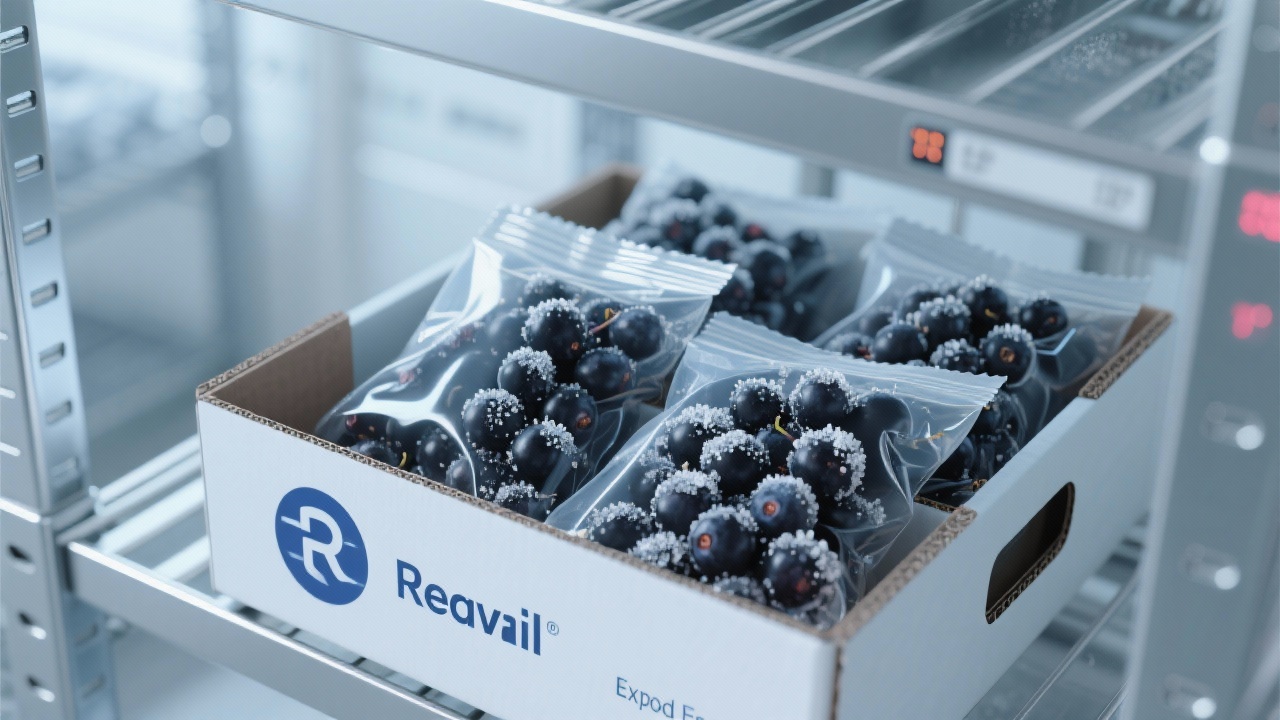
Microbial growth is one of the main factors that lead to the spoilage of garlic. At room temperature, bacteria and fungi can multiply rapidly, causing discoloration, mold growth, and a significant reduction in quality. However, in a cold chain environment between -3°C and 0°C, the metabolic activity of microorganisms is greatly inhibited. Studies have shown that the growth rate of common garlic - spoiling microorganisms can be reduced by up to 80% in this temperature range, effectively prolonging the shelf - life by an average of 3 - 4 months compared to traditional storage methods.
Garlic is rich in vitamins, minerals, and bioactive compounds such as allicin, which have numerous health benefits. High temperatures can accelerate the degradation of these nutrients. In contrast, cold chain storage at -3°C to 0°C helps to preserve up to 90% of the original nutritional content of garlic for an extended period. This ensures that consumers receive a product with maximum health benefits and consistent quality.
Traditional storage methods often result in high levels of loss due to factors like sprouting, dehydration, and rotting. With modern cold chain logistics, losses can be reduced significantly. Statistics indicate that the loss rate of garlic stored in traditional warehouses can reach up to 20 - 30%, while in a well - managed cold chain, this figure can be cut down to less than 5%.
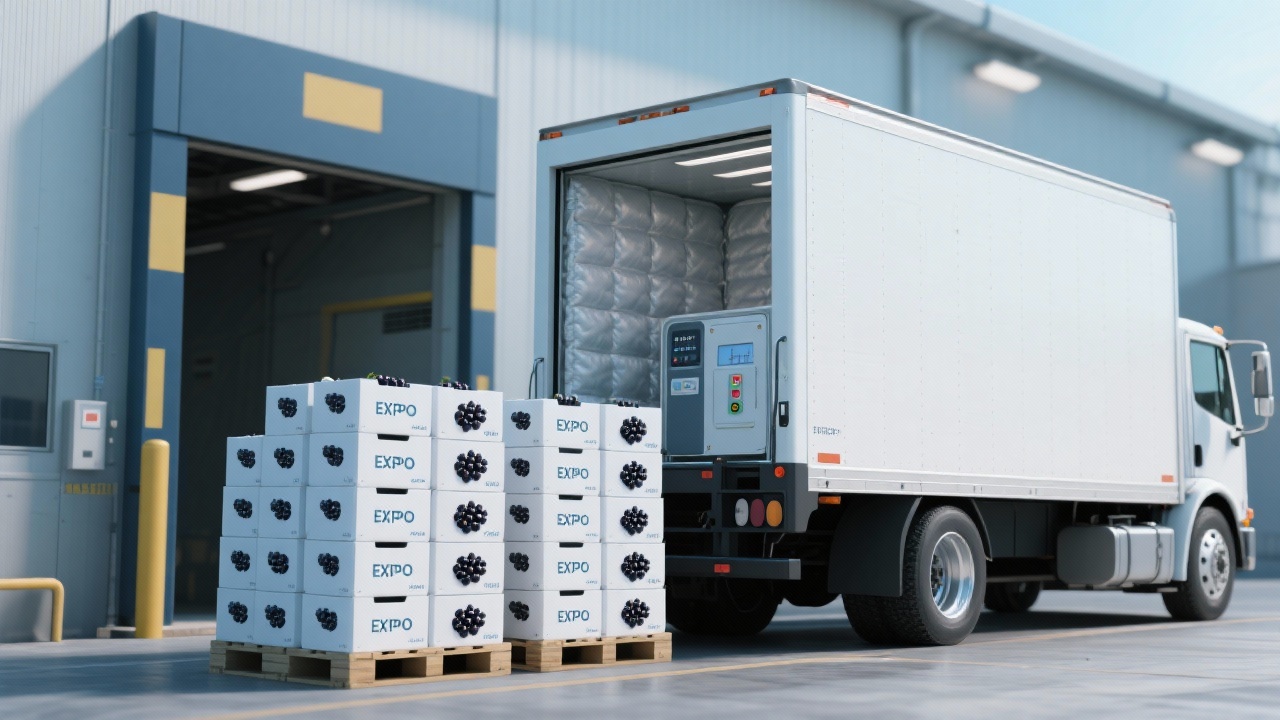
Traditional warehousing, which lacks precise temperature and humidity control, often fails to meet the high - quality requirements of the modern market. Products stored in traditional warehouses may have inconsistent quality, which can lead to lower customer satisfaction. On the other hand, modern cold chain logistics can provide a stable environment, ensuring that every batch of garlic meets strict quality standards, thereby enhancing customer satisfaction and brand reputation.
| Aspect | Traditional Warehousing | Modern Cold Chain Logistics |
|---|---|---|
| Product Quality | Inconsistent, high spoilage rate | Consistent, low spoilage rate |
| Customer Satisfaction | Low | High |
| Loss Rate | 20 - 30% | < 5% |
There have been many real - world examples that demonstrate the importance of proper cold chain management. In one case, a garlic exporter experienced a 15% loss due to temperature fluctuations during transportation. In contrast, another company that strictly adhered to the -3°C to 0°C temperature range in their cold chain process was able to maintain a high - quality product and increase their market share by 25% within a year.

To ensure the reliability and professionalism of cold chain operations, industry certification standards such as HACCP (Hazard Analysis and Critical Control Points) and GMP (Good Manufacturing Practice) are widely adopted. These standards provide a framework for quality control, risk management, and process optimization in the cold chain of agricultural products.
In conclusion, cold chain preservation technology between -3°C and 0°C offers a comprehensive solution for garlic storage and transportation, with significant benefits in terms of microbial control, nutritional preservation, and loss reduction. If you are involved in the garlic supply chain, it is essential to understand and implement this technology to stay competitive in the global market.
Are you wondering if your cold chain solution meets the standards? Click to get the Agricultural Product Cold Chain Self - Assessment Checklist
.png?x-oss-process=image/resize,h_600,m_lfit/format,webp)



.png?x-oss-process=image/resize,h_200,m_lfit/format,webp)





 TikTok
 Facebook