
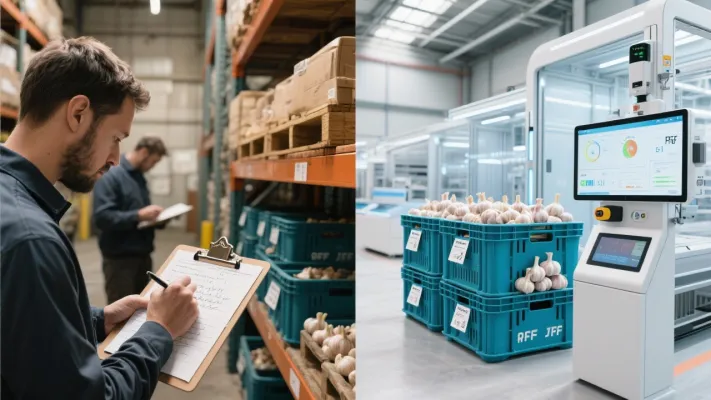
In the global agricultural trade, maintaining product integrity from farm to fork is no longer optional—it’s a competitive necessity. A recent comparative study between traditional warehouse storage and modern cold chain logistics reveals startling differences in nutrient retention, especially for high-value crops like garlic.
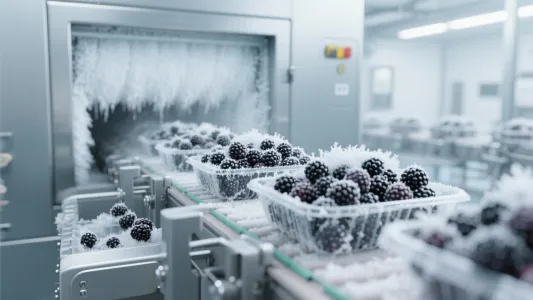
Garlic's nutritional value—particularly its vitamin C content—is highly sensitive to temperature fluctuations. Research shows that storing garlic at -3°C to 0°C creates an optimal environment where microbial activity slows significantly while enzymatic degradation remains minimal. In contrast, ambient temperature warehouses (typically 15–25°C) accelerate oxidation and spoilage.
Vitamin C Retention Over Time:
For B2B buyers sourcing garlic internationally, consistency isn’t just about appearance—it’s about health claims, shelf life, and compliance with food safety standards. Traditional storage leads to inconsistent quality batches, increased waste (up to 18% loss during transit), and potential rejection by EU or U.S. import regulators due to microbial contamination risks.
“HACCP Principle 1 requires identifying critical control points in food handling processes—including temperature management—to ensure food safety.” — Codex Alimentarius, HACCP Guidelines
A real-world case from a major garlic exporter in China illustrates this clearly: during one shipment to Saudi Arabia, temperature deviations above +5°C for 48 hours led to visible mold growth and a 30% drop in buyer satisfaction scores. That single incident cost over $12,000 in rework and lost trust.
International buyers increasingly demand full traceability—not just for regulatory reasons but also to meet ESG expectations. Cold chain systems integrated with IoT sensors provide real-time data logs, enabling exporters to prove every step meets international standards such as HACCP, GMP, and ISO 22000.
Choosing the right cold chain partner means choosing reliability, compliance, and long-term client trust—not just lower freight rates.

 34
|
34
|
 Organic ginger applications
Ginger essential oil production
Health benefits of ginger
Fresh ginger cooking techniques
Ginger pickling methods
Organic ginger applications
Ginger essential oil production
Health benefits of ginger
Fresh ginger cooking techniques
Ginger pickling methods
_(2).jpg?x-oss-process=image/resize,h_300,m_lfit/format,webp) 442
|
premium grade A white garlic
European white garlic market
foodservice garlic procurement
white garlic packaging and storage
garlic marketing strategies
442
|
premium grade A white garlic
European white garlic market
foodservice garlic procurement
white garlic packaging and storage
garlic marketing strategies
 151
|
cold chain logistics for garlic
garlic transport loss reduction
refrigerated storage temperature
HACCP in agriculture
农产品冷链保鲜
151
|
cold chain logistics for garlic
garlic transport loss reduction
refrigerated storage temperature
HACCP in agriculture
农产品冷链保鲜
.jpg?x-oss-process=image/resize,h_300,m_lfit/format,webp) 119
|
Mesh bag packaging
Agricultural product freshness transportation
Garlic export packaging
Cold chain logistics cooperation
Agricultural supply chain optimization
119
|
Mesh bag packaging
Agricultural product freshness transportation
Garlic export packaging
Cold chain logistics cooperation
Agricultural supply chain optimization
 69
|
fresh garlic selection
garlic storage techniques
export garlic procurement
garlic freshness preservation
agricultural product packaging
69
|
fresh garlic selection
garlic storage techniques
export garlic procurement
garlic freshness preservation
agricultural product packaging

_(2).jpg?x-oss-process=image/resize,m_fill,h_200,w_200/format,webp)


.png?x-oss-process=image/resize,h_600,m_lfit/format,webp)




.png?x-oss-process=image/resize,h_200,m_lfit/format,webp)





 TikTok
 Facebook