
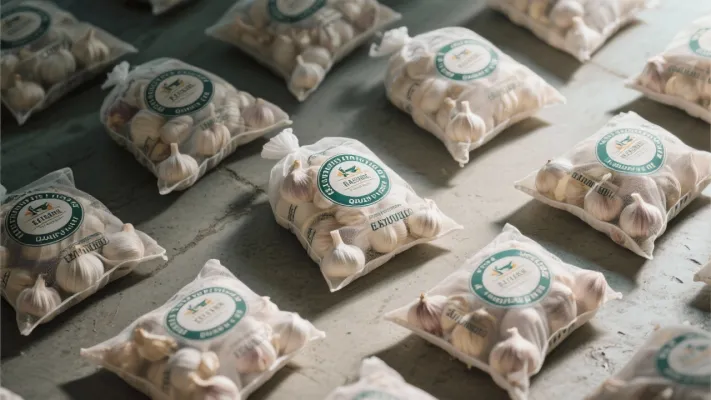
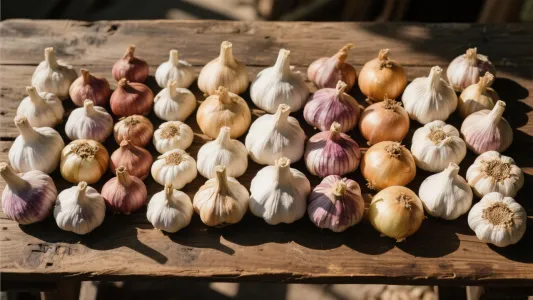
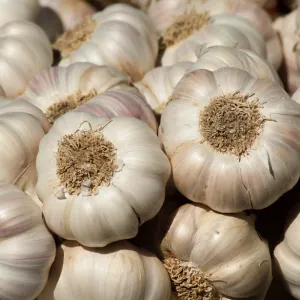
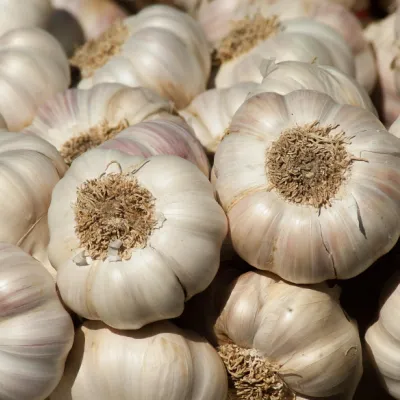
In the competitive landscape of global food trade, understanding the distinct characteristics of garlic varieties is crucial for exporters seeking to meet diverse market demands. Garlic, a staple in cuisines worldwide, offers more than just flavor—it brings cultural significance and health benefits that vary significantly across different types. This guide explores four primary garlic varieties—Pure White Garlic, Large White Garlic, Red Garlic, and Purple Garlic—providing exporters with actionable insights to optimize their product selection and market positioning.
Each garlic variety presents a unique sensory experience that can make or break culinary applications. Pure White Garlic, known for its mild, sweet flavor with subtle heat, typically registers between 3,000-5,000 SHU (Scoville Heat Units), making it ideal for delicate dishes where garlic should complement rather than dominate. In contrast, Large White Garlic delivers a more pronounced pungency ranging from 5,000-7,000 SHU, with a sharp initial bite that mellows into a savory aftertaste.
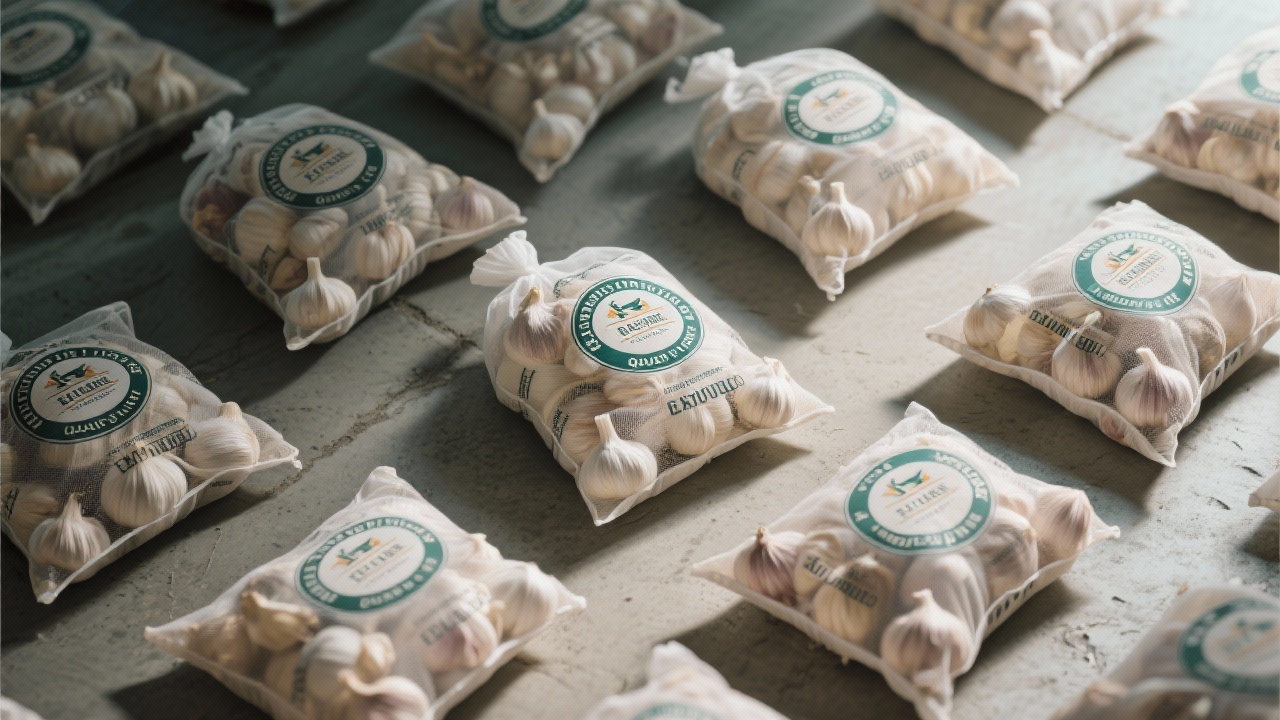
Red Garlic stands out with its moderate heat (4,000-6,000 SHU) and distinctive earthy undertones, while Purple Garlic offers the most complex profile—starting with a spicy kick (6,000-8,000 SHU) that transitions into a slightly sweet, almost fruity finish. These variations are not merely culinary nuances but critical factors in matching products to regional preferences; for example, Northern European markets often prefer milder varieties, while Mediterranean cuisines embrace the robust flavor of Purple Garlic.
Beyond flavor, the nutritional value—particularly allicin content—plays a significant role in market differentiation. Allicin, the compound responsible for garlic's health benefits and pungent aroma, varies substantially across varieties. Research published in the Journal of Food Science and Technology indicates that Purple Garlic contains the highest allicin concentration at 1.2-1.5 mg per gram, followed by Red Garlic (0.9-1.1 mg/g), Large White Garlic (0.7-0.9 mg/g), and Pure White Garlic (0.5-0.7 mg/g).
This nutritional variance positions Purple and Red Garlic as premium options for health-conscious markets, particularly in North America and Western Europe where functional foods command higher price points. Exporters leveraging these data points in their marketing materials can effectively target niche segments focused on natural health products.
Understanding optimal culinary uses is essential for guiding buyers in product selection. Pure White Garlic's mild flavor makes it perfect for raw applications like salads, dressings, and dips, where its subtlety enhances rather than overpowers other ingredients. Chefs in Japan and Korea particularly value its delicate nature for traditional dishes.
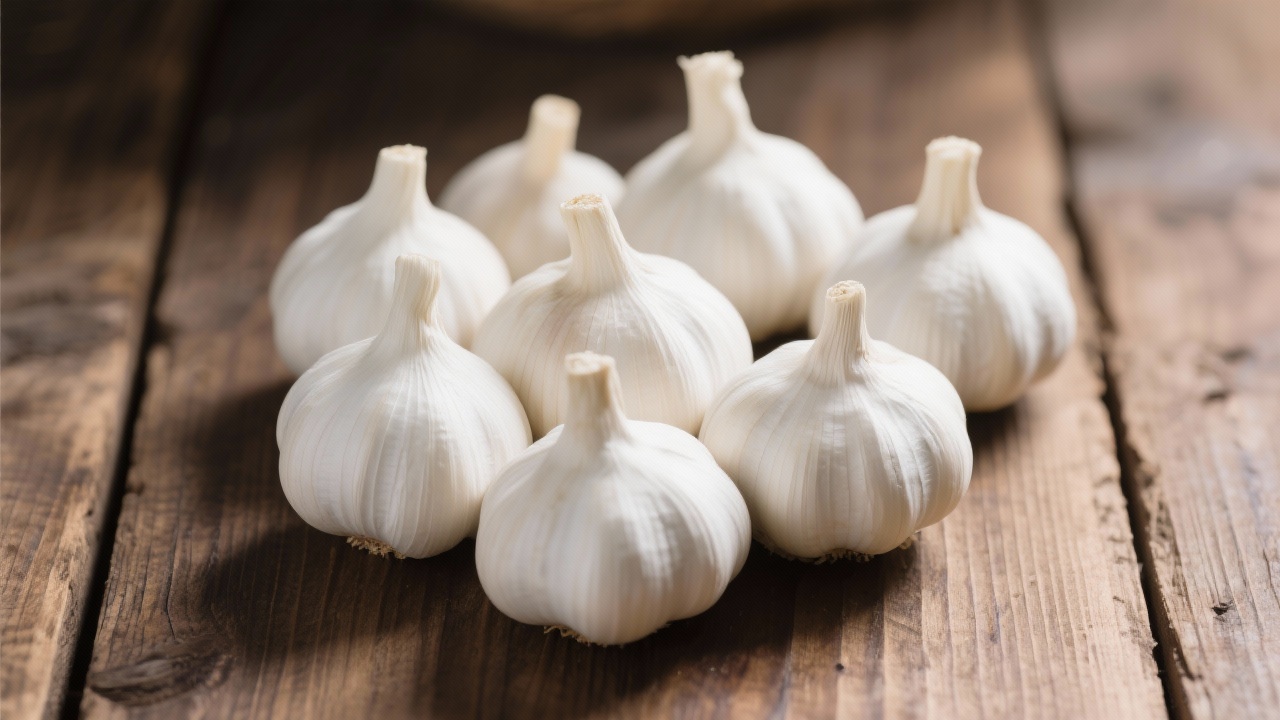
Large White Garlic excels in roasting and baking, developing a rich, caramelized sweetness that complements roasted meats and root vegetables—a favorite in American and British kitchens. Red Garlic's earthy notes shine in slow-cooked dishes like stews and braises, popular in Eastern European and Middle Eastern cuisines. Meanwhile, Purple Garlic's bold flavor makes it the top choice for premium restaurants crafting signature sauces and marinades, especially in French and Italian culinary traditions.
Renowned Chef Marco Pierre White notes, "The choice of garlic can elevate a dish from ordinary to extraordinary. I select Purple Garlic for my signature garlic aioli because its complex flavor profile stands up to bold ingredients like truffle oil and aged parmesan." Similarly, Chef Julia Child emphasized in her classic recipes the importance of matching garlic intensity to dish complexity—often recommending Red Garlic for hearty winter stews.
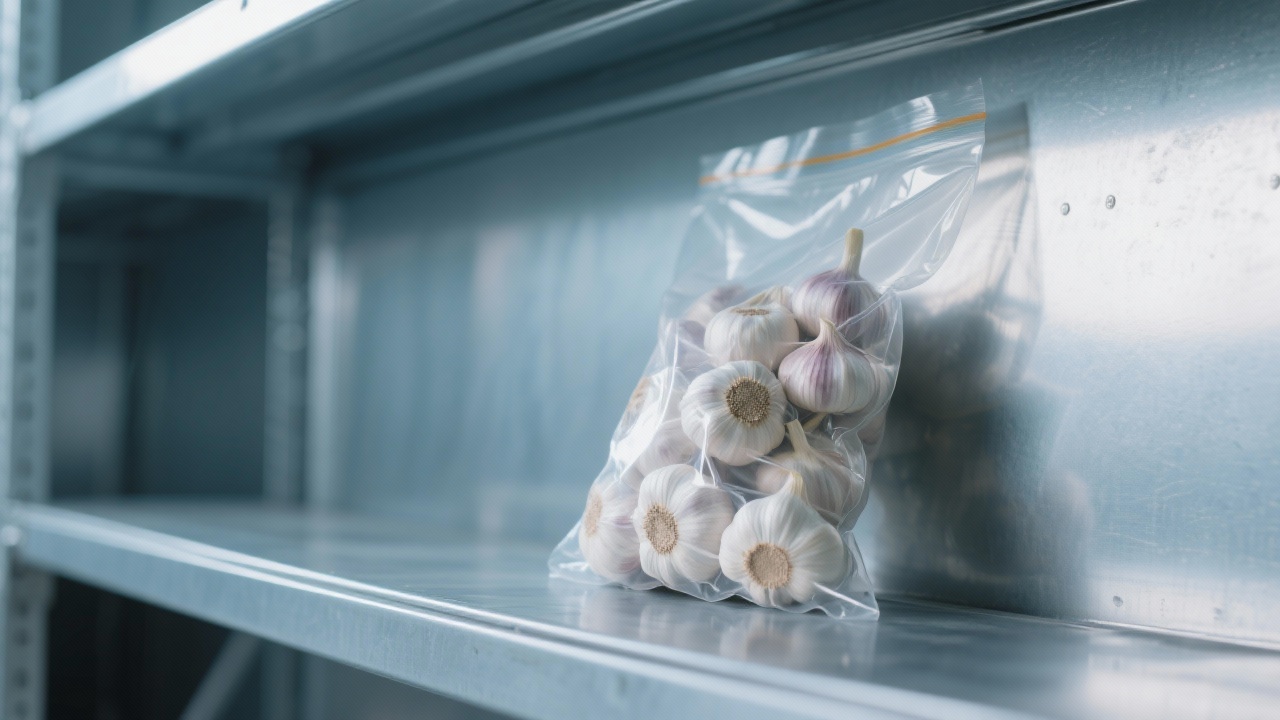
For commercial kitchens, proper variety搭配 (dàpèi - matching) is key to cost-efficiency and flavor consistency. Many professional chefs recommend blending 70% Large White Garlic with 30% Purple Garlic for balanced flavor in bulk preparations, reducing costs while maintaining complexity.
As a leading provider in the global agricultural trade, 亿商桥 offers premium garlic varieties tailored to diverse market demands. Our expertise in quality control and market insights ensures your export success.
Discover Your Perfect Garlic Export SolutionUnderstanding these nuanced differences between garlic varieties empowers exporters to make strategic decisions that align with target market preferences. Whether catering to health-conscious consumers, high-end restaurants, or mass-market food manufacturers, the right product selection—backed by scientific data and culinary expertise—can significantly enhance market penetration and profitability.
 223
|
223
|
 garlic shelf life extension
cold storage temperature control
food preservation techniques
cold chain management
garlic storage best practices
garlic shelf life extension
cold storage temperature control
food preservation techniques
cold chain management
garlic storage best practices
 483
|
High - quality garlic varieties
International cuisine garlic application
Kitchen garlic selection guide
Fresh garlic storage techniques
10kg mesh bag packaging
483
|
High - quality garlic varieties
International cuisine garlic application
Kitchen garlic selection guide
Fresh garlic storage techniques
10kg mesh bag packaging
 34
|
cold chain logistics for agriculture
HACCP certification benefits
GMP compliance in food export
garlic refrigeration standards
supply chain optimization in food distribution
34
|
cold chain logistics for agriculture
HACCP certification benefits
GMP compliance in food export
garlic refrigeration standards
supply chain optimization in food distribution
 112
|
garlic storage
cold storage temperature
food freshness in refrigeration
garlic spoilage prevention
cold chain management
112
|
garlic storage
cold storage temperature
food freshness in refrigeration
garlic spoilage prevention
cold chain management
 297
|
garlic export standards
HACCP certification for garlic
GMP compliance for garlic processing
garlic cold chain logistics
China garlic export inspection
297
|
garlic export standards
HACCP certification for garlic
GMP compliance for garlic processing
garlic cold chain logistics
China garlic export inspection


.png?x-oss-process=image/resize,h_600,m_lfit/format,webp)





.png?x-oss-process=image/resize,h_200,m_lfit/format,webp)





 TikTok
 Facebook