
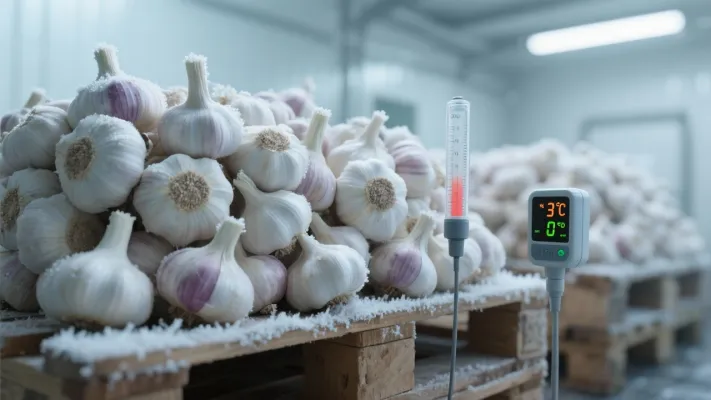
Garlic is one of the most used ingredients in global cuisine — yet it’s also one of the most misunderstood when it comes to storage. According to a 2023 survey by the International Food Service Association, nearly 42% of restaurants report losing 15–25% of their garlic stock within just two weeks due to improper handling. This isn’t just waste — it’s lost profit and inconsistent flavor for your dishes.
Garlic doesn’t “expire” like meat or dairy — but it does degrade quickly if stored incorrectly. Its natural moisture content (around 60%) and sensitivity to ethylene gas make it vulnerable to sprouting, mold, and texture loss. Key factors that affect freshness:
A case study from a mid-sized chain in Dubai showed a 37% reduction in garlic waste after implementing proper cold storage protocols — with no change in menu pricing or customer feedback. The key? Using breathable packaging and rotating stock based on FIFO (First In, First Out).
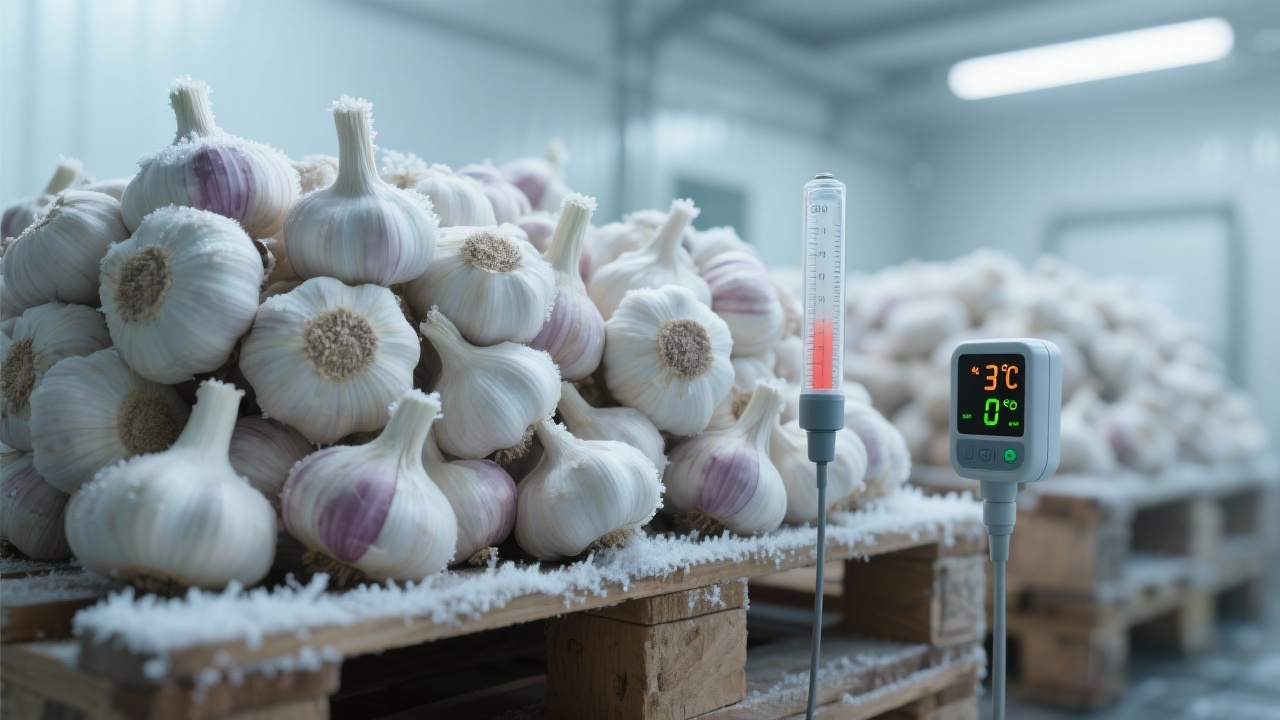
Many chefs unknowingly sabotage garlic quality with these habits:
Implementing a simple daily checklist — check temp, verify airflow, rotate inventory — can reduce food cost variance by up to 18%, according to a 2022 audit from a Singapore-based hotel group.
Here’s what top-performing kitchens do:
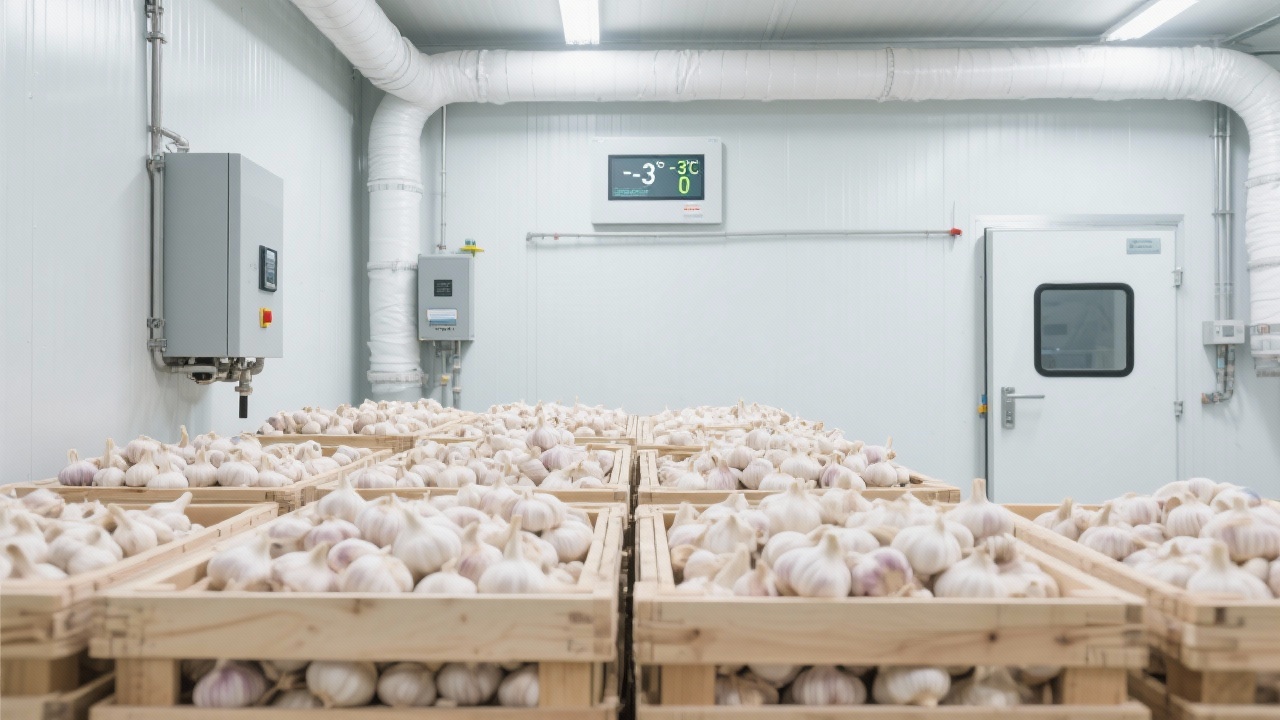
Step 1: Store in open bins with perforated lids at 3°C (ideal fridge zone).
Step 2: Use breathable paper or cloth wraps instead of plastic.
Step 3: Label batches with date stamps and use oldest first.
Step 4: Conduct weekly checks for sprouting or soft spots — remove immediately.
Yes — but only minced or crushed. Whole cloves freeze poorly and become mushy. For long-term use, freeze in ice cube trays with oil.
Only for short periods (up to 5 days). Beyond that, expect rapid deterioration. Always move to refrigeration once unpacked.
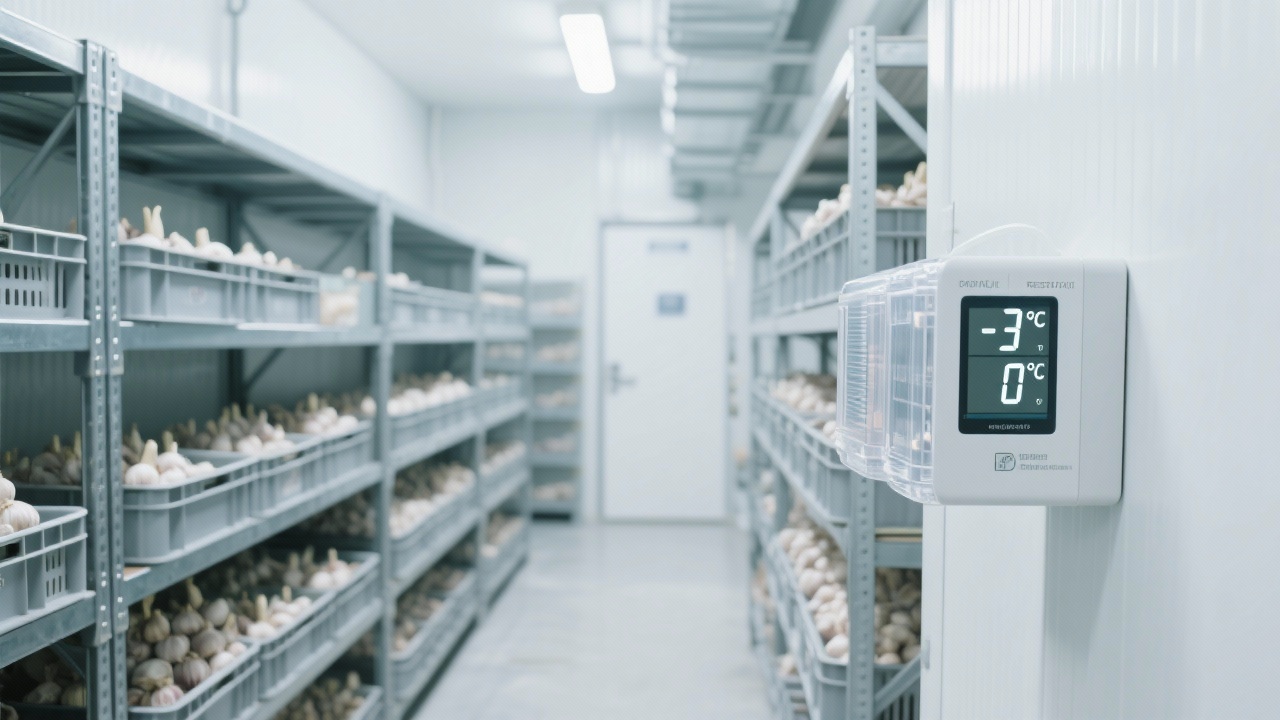
Let us help you build a smarter supply chain — starting with premium garlic that stays fresh longer. Our customers see an average 40% improvement in ingredient utilization within 30 days.
Get Your Sample Batch Today – No Risk, Just Results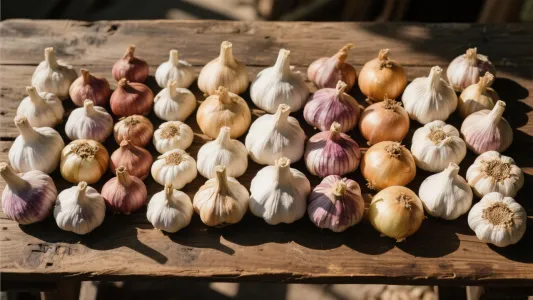
 483
|
483
|
 High - quality garlic varieties
International cuisine garlic application
Kitchen garlic selection guide
Fresh garlic storage techniques
10kg mesh bag packaging
High - quality garlic varieties
International cuisine garlic application
Kitchen garlic selection guide
Fresh garlic storage techniques
10kg mesh bag packaging
 192
|
Grade A Extra white garlic
European garlic market
food processing ingredients
garlic quality certification
B2B food marketing
192
|
Grade A Extra white garlic
European garlic market
food processing ingredients
garlic quality certification
B2B food marketing
 253
|
ginger health benefits
functional food
natural therapy
immune enhancement
gingerol effect
253
|
ginger health benefits
functional food
natural therapy
immune enhancement
gingerol effect
 270
|
European white garlic procurement guide
Grade A+ garlic
high - quality garlic supply
garlic quality standards
refrigerated fresh - keeping garlic
270
|
European white garlic procurement guide
Grade A+ garlic
high - quality garlic supply
garlic quality standards
refrigerated fresh - keeping garlic
 245
|
Organic fresh ginger cultivation technology
Export - grade ginger standards
Pesticide - free ginger
Ginger quality assurance
High - end organic ginger
245
|
Organic fresh ginger cultivation technology
Export - grade ginger standards
Pesticide - free ginger
Ginger quality assurance
High - end organic ginger




.png?x-oss-process=image/resize,h_600,m_lfit/format,webp)




.jpg?x-oss-process=image/resize,m_fill,h_200,w_200/format,webp)
.png?x-oss-process=image/resize,h_200,m_lfit/format,webp)





 TikTok
 Facebook