
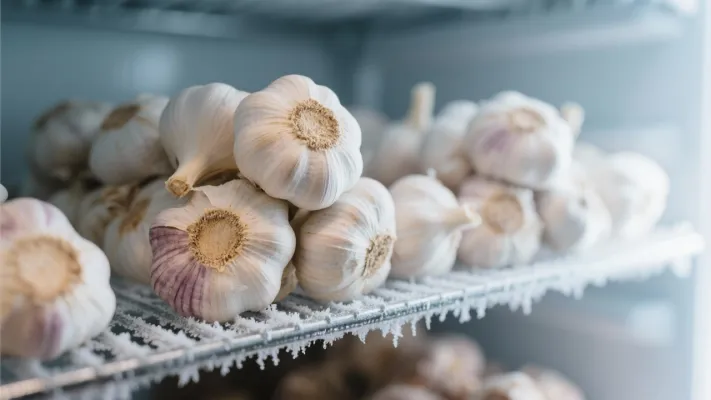
Have you ever wondered why your garlic stored in sealed containers turns bad faster than expected? This is a common scenario encountered by many overseas restaurants. Understanding the physiological properties of garlic and its storage requirements can drastically improve freshness, reduce wastage, and enhance the flavor of your dishes.
Garlic is a living agricultural product that continues to respire post-harvest. Its freshness is affected primarily by three environmental factors: temperature, humidity, and ventilation. Incorrect storage—especially using sealed or airtight containers—can trap moisture and gases produced during respiration, creating a microclimate conducive to mold, sprouting, and decay.
Expert Insight:
"Garlic requires cool, moderately dry, and well-ventilated conditions. Storing garlic at 0-3°C with adequate airflow slows respiration and prevents moisture accumulation, extending shelf life significantly." – Supply Chain Specialist, Food Freshness Experts
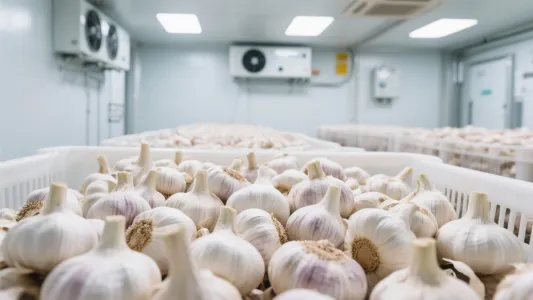
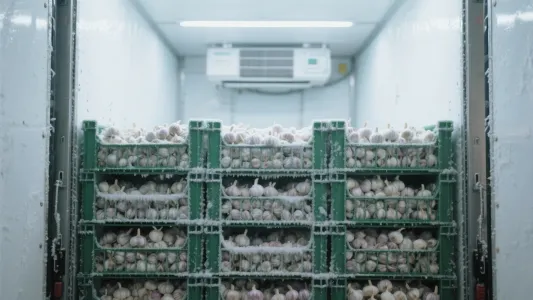
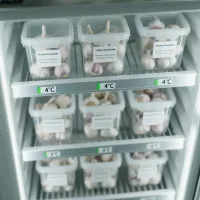
Research shows that keeping garlic within a temperature range of 0°C to 3°C (32°F to 37.4°F) and relative humidity of 60%-70% is ideal. Temperatures above 5°C accelerate sprouting and microbial growth; humidity below 50% causes drying and weight loss; whereas excessively high humidity (>75%) encourages rot.
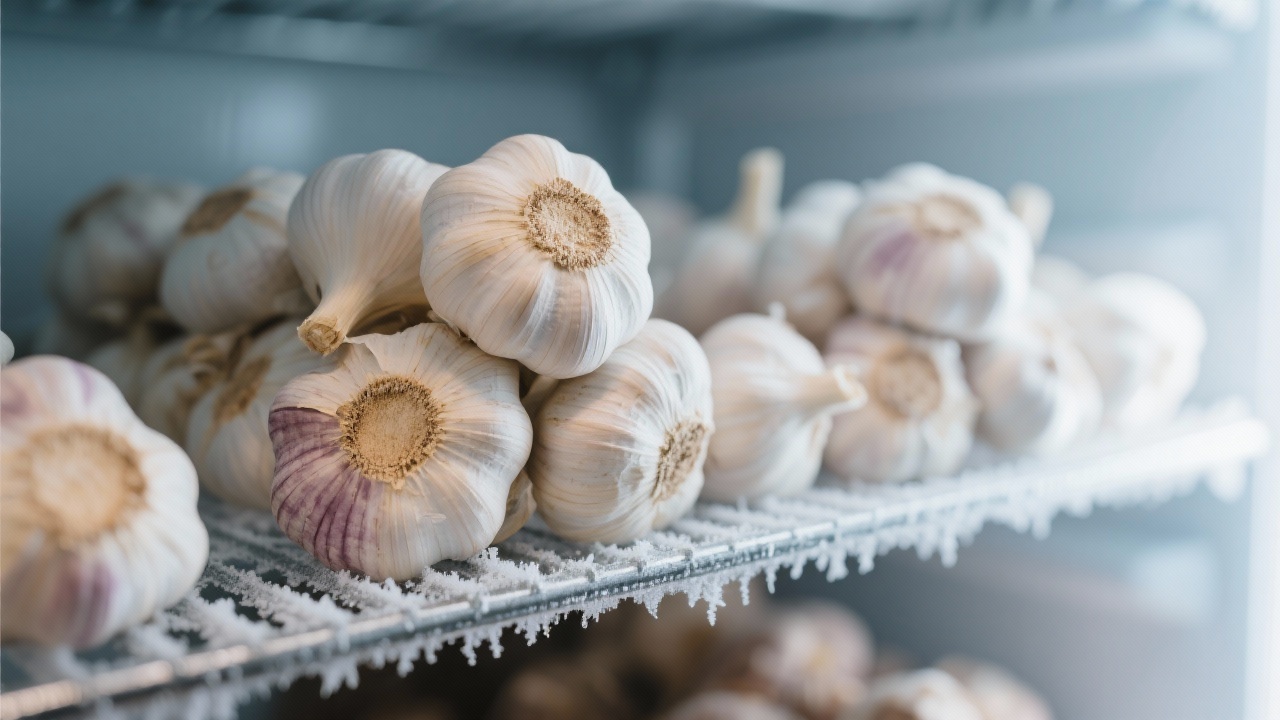
Contrary to popular belief, airtight storage can trap gases and moisture released by garlic, creating an anaerobic environment that promotes mold and decay. Instead, using perforated mesh bags or netted sacks enables continuous airflow, facilitating moisture evaporation and gas exchange. This simple change can reduce spoilage by up to 40%.
Interactive Question:
Is your kitchen still relying on sealed plastic bags to store garlic? Consider switching to breathable mesh packaging to maximize freshness.
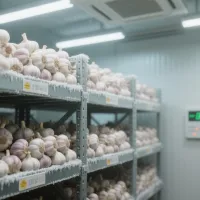
Establishing a standardized storage process can prevent common pitfalls like overstacking, temperature fluctuations, and moisture build-up. For example, our case study with a mid-sized European restaurant chain involved:
These measures resulted in a 30% reduction in garlic wastage and noticeably improved dish flavor consistency.
Trapped moisture and CO2 create a humid anaerobic environment favoring fungal growth and sprouting. Garlic breathes, and sealed bags restrict gas exchange.
While refrigeration at 0-3°C significantly slows spoilage, excessively low temperatures (<0°C) can cause freezer damage, and high humidity can lead to mold growth if ventilation is poor.
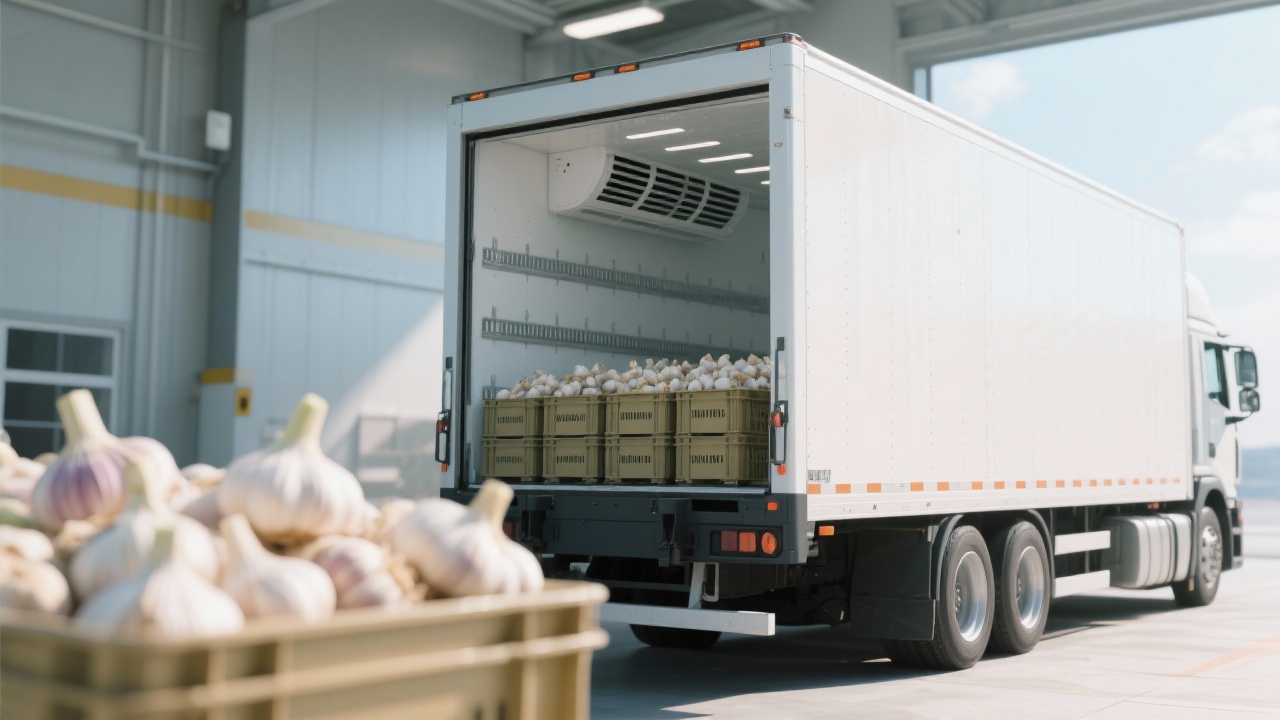
Use 10kg netted mesh sacks or perforated bags combined with cold storage; avoid sealed plastic bags for long-term storage.
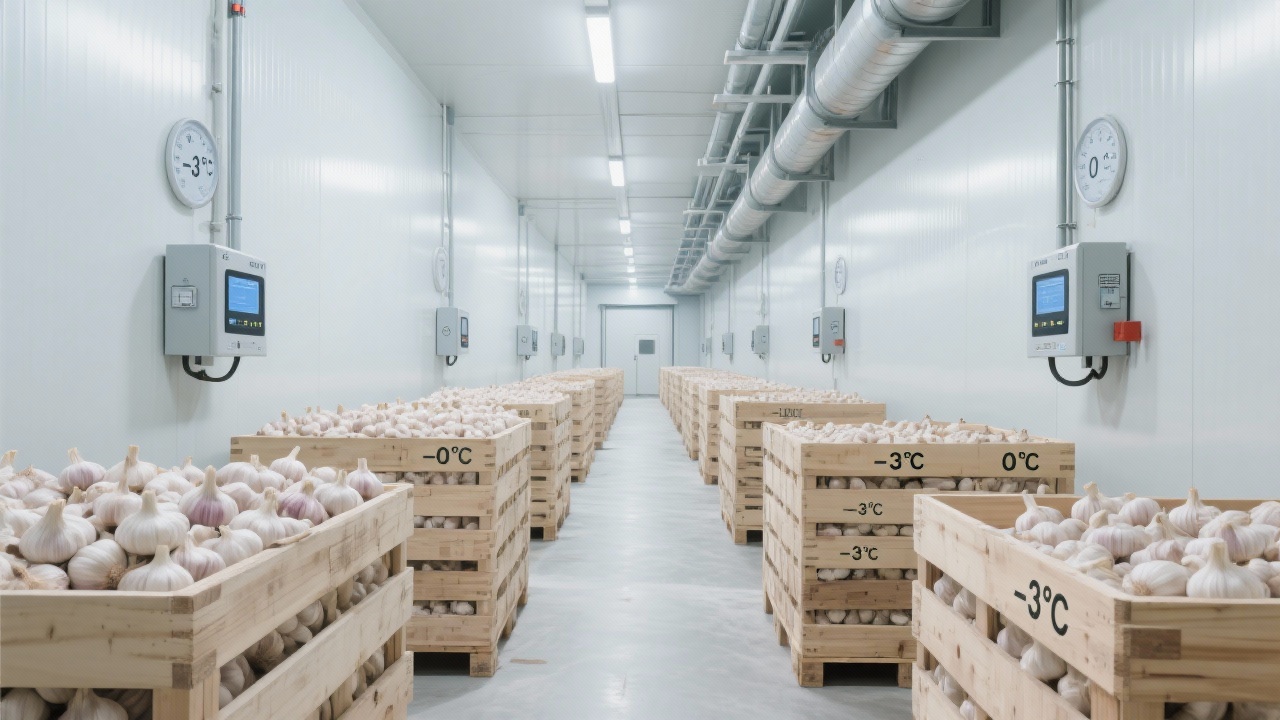
Responding to these challenges, Yishangqiao offers tailored solutions incorporating our proprietary 10kg ventilated mesh bags paired with a precision-controlled cold storage system. Our approach ensures each garlic bulb retains its aroma, texture, and nutritional profile from warehouse to your kitchen, boosting operational efficiency and reducing loss.
 494
|
494
|
 garlic cold storage
cold chain logistics
food preservation techniques
garlic shelf life
refrigerated warehouse management
garlic cold storage
cold chain logistics
food preservation techniques
garlic shelf life
refrigerated warehouse management
 430
|
A-grade white garlic grading
premium garlic identification tips
white garlic quality inspection methods
garlic procurement guide
garlic bulb quality assessment
430
|
A-grade white garlic grading
premium garlic identification tips
white garlic quality inspection methods
garlic procurement guide
garlic bulb quality assessment
 49
|
red garlic vs purple garlic
middle eastern cooking techniques
A-grade garlic selection
restaurant ingredient acceptance process
garlic flavor profile differences
49
|
red garlic vs purple garlic
middle eastern cooking techniques
A-grade garlic selection
restaurant ingredient acceptance process
garlic flavor profile differences
 348
|
Grade A white garlic standards
high - quality garlic identification
garlic grading methods
export garlic quality
white garlic procurement guide
494
|
Garlic cold storage preservation
Low - temperature storage technology
Garlic nutrition retention
Cold chain management solutions
Extension of agricultural product shelf life
348
|
Grade A white garlic standards
high - quality garlic identification
garlic grading methods
export garlic quality
white garlic procurement guide
494
|
Garlic cold storage preservation
Low - temperature storage technology
Garlic nutrition retention
Cold chain management solutions
Extension of agricultural product shelf life



.png?x-oss-process=image/resize,h_600,m_lfit/format,webp)




.png?x-oss-process=image/resize,h_200,m_lfit/format,webp)





 TikTok
 Facebook