
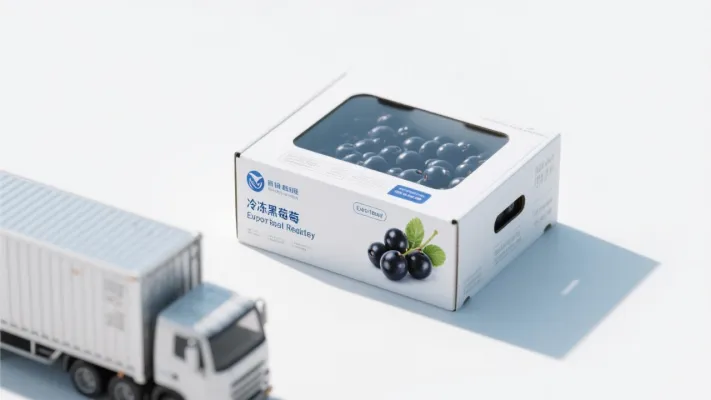
When it comes to sourcing high-quality garlic from international suppliers, many buyers overlook a crucial factor: how the product is stored before reaching their shelves or kitchens. Poor storage doesn’t just reduce shelf life—it can compromise flavor, texture, and even nutritional value. According to a 2023 study by the Food and Agriculture Organization (FAO), up to 15% of exported fresh garlic loses marketable quality due to improper handling during transit and post-harvest storage.
Before you even consider storage methods, knowing what makes garlic “fresh” is essential. Look for:
Our cold storage technology maintains garlic at 10–15°C with humidity between 60–70%. Why does this matter?
| Storage Condition | Garlic Quality Retention (after 3 months) |
|---|---|
| Ambient (25°C) | ~40% |
| Refrigerated (10–15°C) | ~92% |
| Controlled Atmosphere (CA) | ~98% |
This isn’t just theory—we’ve partnered with food processors in Europe and North America who report a 25% reduction in customer complaints after switching to our temperature-controlled packaging system.
Many buyers store garlic in dark pantries or refrigerators without considering airflow or light exposure. Here’s what goes wrong:
These aren’t minor issues—they’re root causes of dissatisfaction among importers, especially in markets like Germany and the UAE where freshness standards are strict.
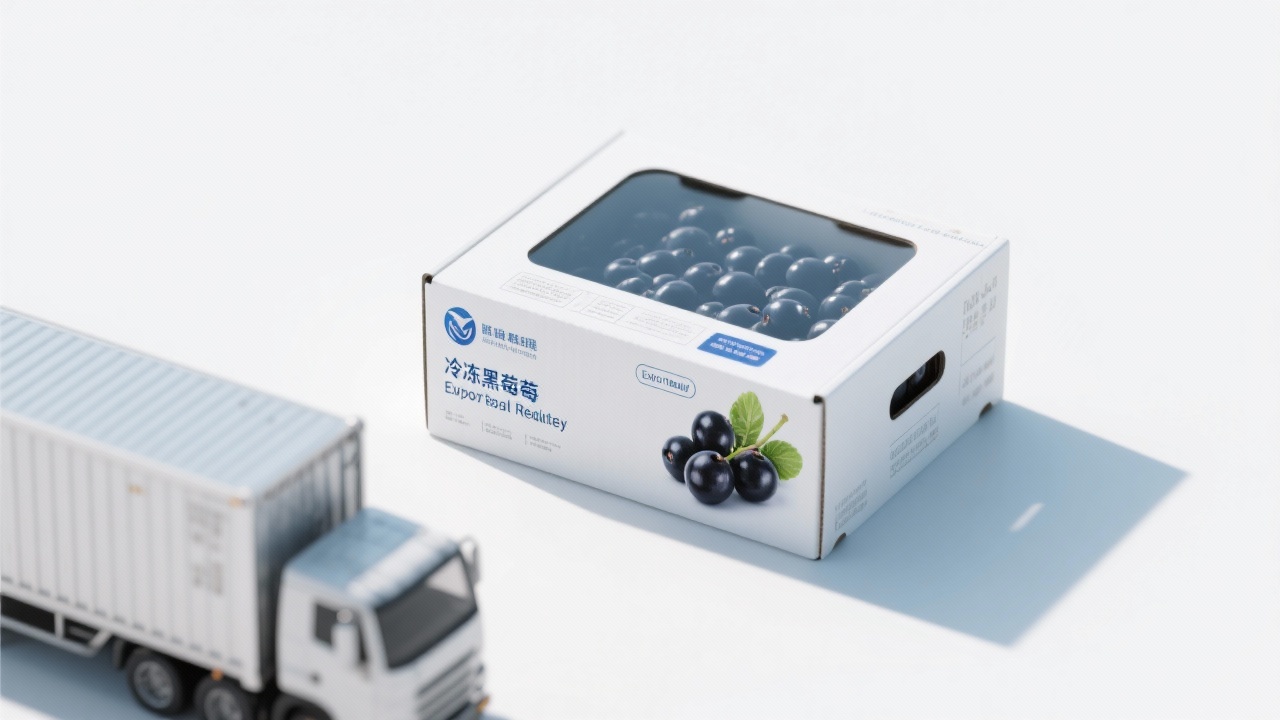
Whether you're a restaurant manager sourcing ingredients or a procurement officer evaluating suppliers, understanding these principles helps ensure your garlic remains flavorful, safe, and valuable from farm to fork.
We specialize in precision cold-chain logistics for agricultural exports—helping global partners maintain quality, minimize waste, and build trust with end users.
Explore Our Export Standards & Packaging Solutions.png?x-oss-process=image/resize,h_600,m_lfit/format,webp)



.png?x-oss-process=image/resize,h_200,m_lfit/format,webp)





 TikTok
 Facebook