
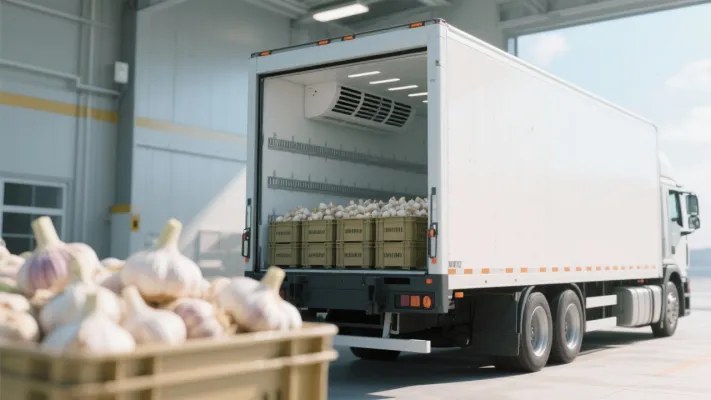
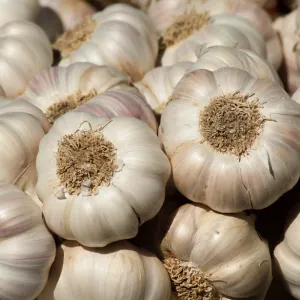
Garlic, a staple ingredient in global culinary cultures, poses a unique challenge for restaurants striving to maintain its freshness and pungent aroma. Improper storage leads to premature sprouting, mold growth, and flavor deterioration — impacting both kitchen efficiency and the dining experience.
Garlic bulbs are living plant organs composed of multiple cloves, covered by a protective papery skin. Post-harvest, natural physiological processes continue: moisture loss, respiration, and enzymatic reactions. These processes accelerate under unsuitable conditions, causing quality degradation.
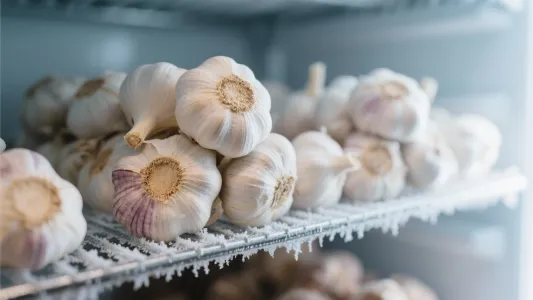
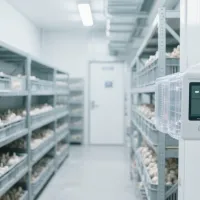
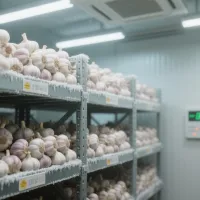
Key factors influencing garlic freshness include temperature, humidity, ventilation, and packaging. Among these, temperature management stands out: the optimal cold storage range is between 0°C and 3°C with relative humidity around 60-70%. Such settings slow down metabolic activities and sprouting without freezing the bulbs.
Scientific evidence and industrial practice demonstrate that combining low temperature control with ventilated packaging substantially extends the shelf life of garlic in restaurant inventory.
It is critical to avoid sealed plastic wraps or airtight containers as these create anaerobic conditions, accelerating spoilage and fungal contamination.
To translate scientific guidelines into practical workflows, restaurants should adopt tailored standard operating procedures (SOPs) for garlic storage:
Avoid common mistakes such as overpacking, direct contact with moisture, and storing near ethylene-producing fruits (apples, bananas), which trigger sprouting.
A mid-sized urban restaurant chain adopted the combined cold storage and ventilated packaging method for their garlic inventory. Over six months, they reported:
| Metric | Before Implementation | After Implementation | Improvement |
|---|---|---|---|
| Average Shelf Life | 4 Weeks | 12 Weeks | +200% |
| Food Waste Due to Spoilage | 15% of Garlic Stock | 5% of Garlic Stock | -66% |
| Customer Satisfaction Rate (Garlic Dishes) | 82% | 95% | +13% |
For restaurants prioritizing premium quality and longer shelf life, sourcing from trusted suppliers employing advanced storage solutions is vital.
 470
|
470
|
 fresh ginger health benefits
gingerol effects
curcumin in functional foods
natural remedies with ginger
ginger immune support
fresh ginger health benefits
gingerol effects
curcumin in functional foods
natural remedies with ginger
ginger immune support
 375
|
fresh garlic quality
garlic selection techniques
garlic storage methods
cold storage preservation technology
agricultural product trade
375
|
fresh garlic quality
garlic selection techniques
garlic storage methods
cold storage preservation technology
agricultural product trade
 79
|
fresh garlic cooking tips
garlic usage in restaurants
garlic preparation guide
kitchen ingredient management
garlic preservation methods
79
|
fresh garlic cooking tips
garlic usage in restaurants
garlic preparation guide
kitchen ingredient management
garlic preservation methods
.jpg?x-oss-process=image/resize,h_300,m_lfit/format,webp) 229
|
mesh bag packaging
fresh garlic preservation
cold chain logistics
garlic quality management
modern cultivation technology
229
|
mesh bag packaging
fresh garlic preservation
cold chain logistics
garlic quality management
modern cultivation technology
 127
|
export garlic preservation
professional cold storage
garlic refrigeration temperature
garlic packaging methods
food supply chain management
127
|
export garlic preservation
professional cold storage
garlic refrigeration temperature
garlic packaging methods
food supply chain management


.png?x-oss-process=image/resize,h_600,m_lfit/format,webp)






.png?x-oss-process=image/resize,h_200,m_lfit/format,webp)





 TikTok
 Facebook