
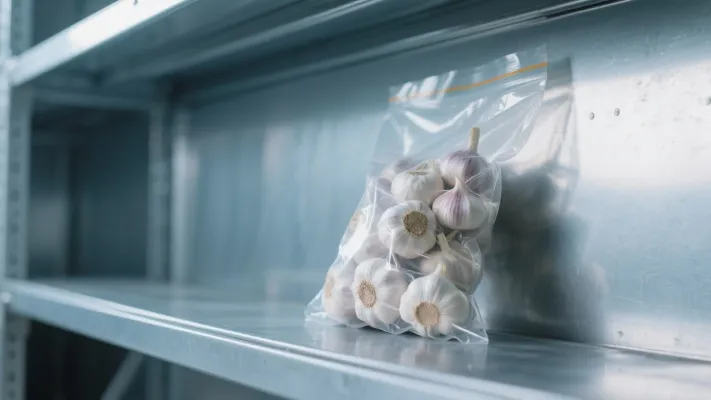
For food processors, importers, and fresh produce distributors in Europe, maintaining garlic quality year-round is no longer optional—it’s a competitive necessity. Recent studies show that up to 40% of garlic losses in transit occur due to premature sprouting or microbial spoilage—issues that can be effectively mitigated through scientifically managed cold storage.
At temperatures between -3°C and 0°C, garlic enters a state of metabolic slowdown. According to research published in the Journal of Food Science & Technology, this range reduces respiration rates by approximately 60%, minimizing moisture loss and preventing early germination. In practical terms, this means garlic stored under these conditions retains its firmness, flavor profile, and sulfur compound integrity for up to 8 months—compared to just 3–4 months at ambient temperature.
Moreover, low-temperature environments inhibit mold growth, particularly species like Penicillium digitatum, which thrive above 5°C. A case study from a German agri-logistics firm revealed a 70% reduction in mold-related spoilage after implementing controlled cold chains—from harvest to warehouse to final delivery.
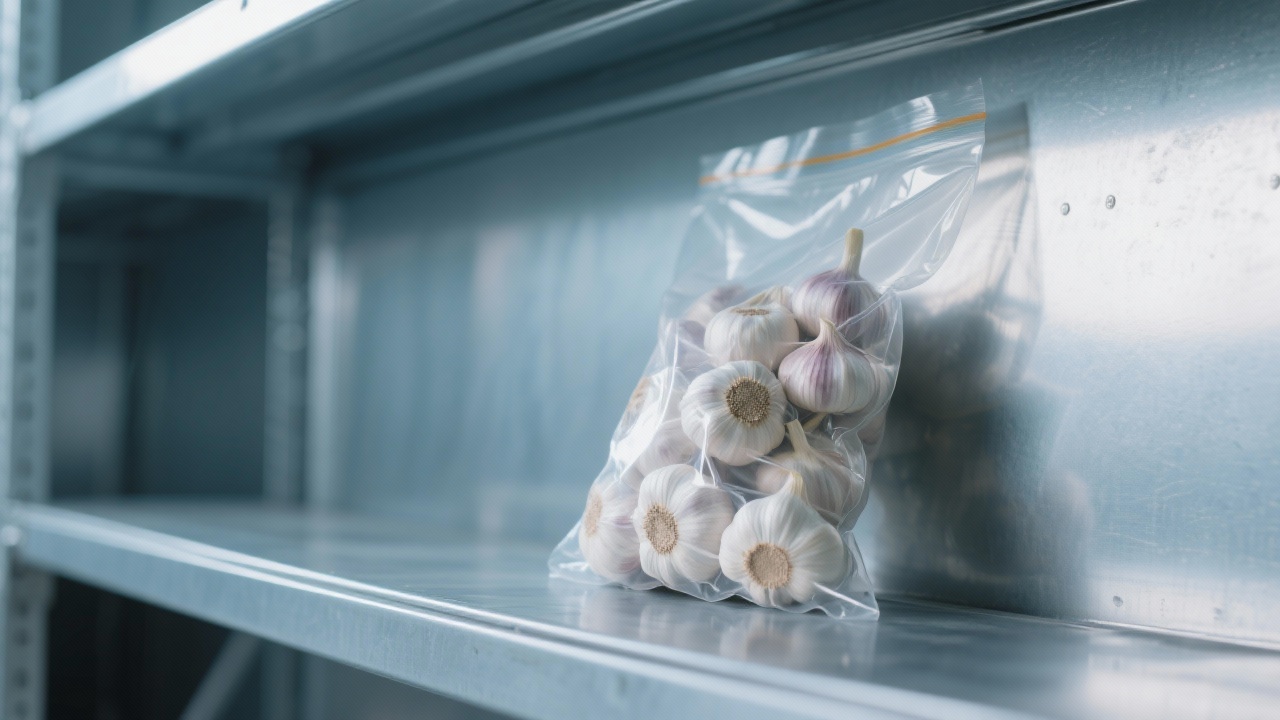
It’s not just about temperature—it’s also about airflow. Traditional plastic crates trap humidity, accelerating decay. In contrast, breathable net bags allow air circulation while reducing mechanical damage during handling. Data from a Dutch pilot project demonstrated that garlic packed in mesh nets had a 25% lower incidence of bruising and a 30% slower decline in vitamin C levels over time.
| Storage Condition | Shelf Life (Months) | Sprouting Rate (%) |
|---|---|---|
| Ambient (15°C) | 3–4 | ~60% |
| Refrigerated (-3°C to 0°C) + Net Bags | 7–8 | ~10% |
These results are especially critical for businesses targeting EU markets where regulatory standards demand consistent product quality across seasons. Whether you're supplying frozen garlic puree to a bakery chain or exporting whole bulbs to a gourmet retailer, stable shelf life ensures predictable inventory planning—and fewer last-minute cancellations.
If your current supply chain struggles with inconsistent garlic quality or seasonal shortages, it may be time to rethink how you store and package your product. We’ve helped over 30 European buyers implement cold chain best practices tailored to their regional distribution needs—without compromising on cost-efficiency or sustainability.
Explore our customized cold storage solutions designed for global exporters—engineered for compliance, optimized for yield, and built for long-term partnership.
Get Your Free Cold Chain Assessment Today.png?x-oss-process=image/resize,h_600,m_lfit/format,webp)


.png?x-oss-process=image/resize,h_200,m_lfit/format,webp)





 TikTok
 Facebook