
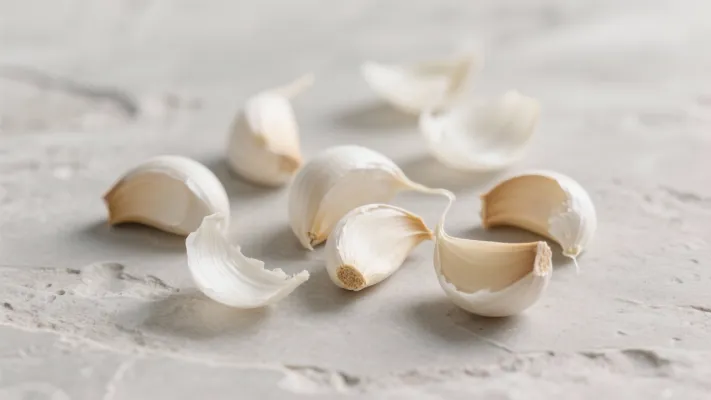
For European buyers sourcing high-quality garlic year-round, maintaining freshness and nutritional integrity is not just a preference—it’s a requirement. According to research from the European Journal of Food Science and Technology (2022), storing garlic at temperatures between -3°C and 0°C can extend shelf life by up to 40–60% compared to standard refrigeration at 4°C. This temperature range doesn’t freeze the garlic but significantly slows down its metabolic activity—reducing respiration, preventing mold growth, and inhibiting sprouting.
At -3°C to 0°C, garlic enters a state of dormancy. Studies conducted by the Wageningen University & Research (Netherlands) show that this range reduces oxygen consumption by up to 70%, minimizing spoilage caused by microbial activity. Additionally, it preserves allicin—the key sulfur compound responsible for garlic’s antimicrobial properties and health benefits—by over 85% after 90 days.
| Storage Condition | Shelf Life (Days) | Allicin Retention (%) |
|---|---|---|
| Standard Refrigeration (4°C) | 45–60 | ~60% |
| Optimized Cold Chain (-3°C to 0°C) | 90–120 | ~85% |
While temperature control is critical, packaging matters just as much. In a case study from a major German food distributor, switching from plastic bags to ventilated mesh net bags reduced moisture buildup by 35% and decreased mechanical damage during handling by nearly 50%. The open structure allows airflow while protecting garlic cloves from bruising—a crucial factor when shipping across long distances.
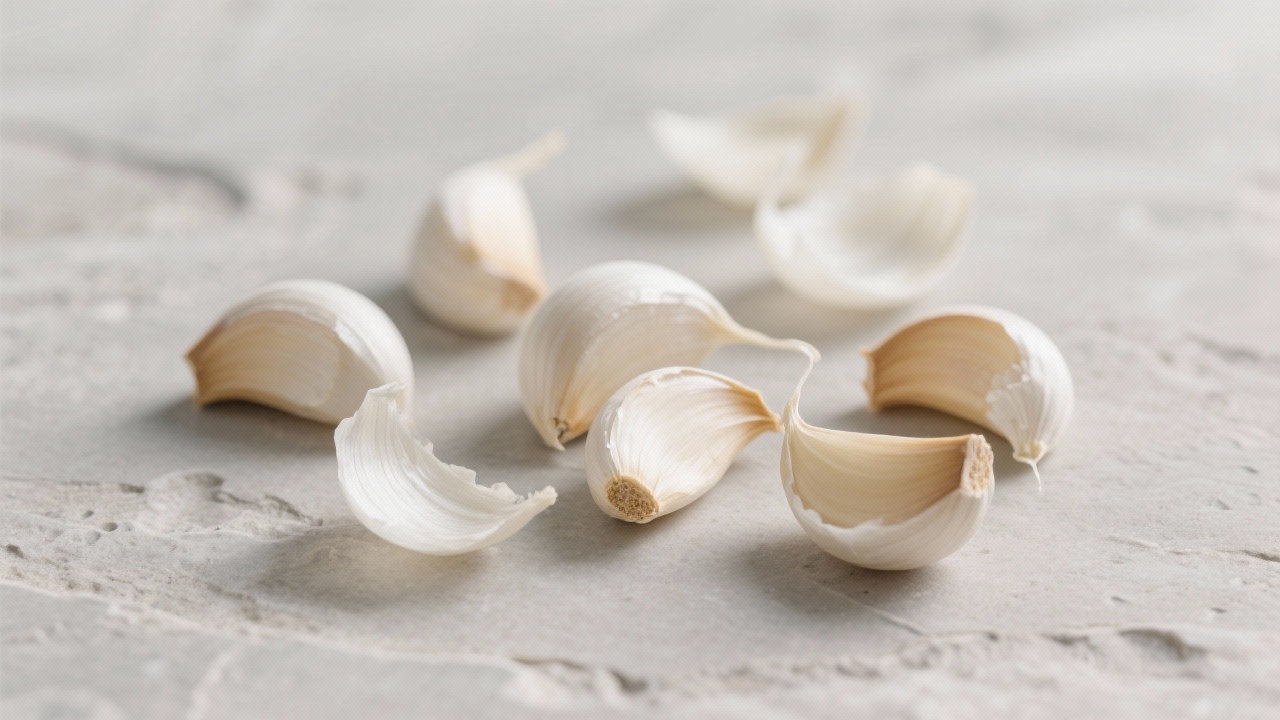
For procurement managers and food processors in EU markets, adopting this combination of precise temperature management and smart packaging isn’t just about extending shelf life—it’s about delivering consistent quality that meets strict regulatory standards like EU Regulation (EC) No 852/2004 on hygiene of foodstuffs.
Ready to source premium garlic with guaranteed freshness? We provide certified cold-chain logistics solutions tailored for European buyers—ensuring your inventory stays crisp, flavorful, and safe from harvest to delivery.
.png?x-oss-process=image/resize,h_600,m_lfit/format,webp)


.png?x-oss-process=image/resize,h_200,m_lfit/format,webp)





 TikTok
 Facebook