
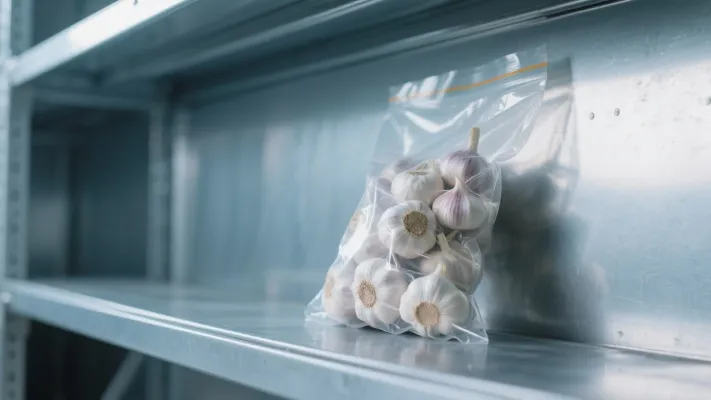
In today's competitive European agricultural market, maintaining garlic quality and extending shelf life are paramount for suppliers, restaurateurs, and distributors. This article provides an in-depth analysis of how storing garlic within a low-temperature range of -3°C to 0°C effectively suppresses physiological deterioration mechanisms—such as respiration rate, mold formation, and sprout germination—ensuring superior freshness throughout the year. Supported by agricultural scientific data and real-world cold storage case studies, the discussion highlights optimized cold chain management strategies and the advantages of ventilated mesh bag packaging for moisture control and mechanical protection. The insights presented are designed to empower decision-makers to enhance garlic’s nutritional retention and market competitiveness via precise storage solutions.
European consumers and professional buyers increasingly demand garlic that delivers consistent flavor intensity, optimal freshness, and extended usability. Long shelf life reduces wastage and ensures supply chain reliability, crucial in high-volume procurement and foodservice sectors. Key quality parameters include the preservation of sulfur-containing compounds responsible for garlic’s bioactive properties, minimal microbial spoilage, and inhibition of undesirable sprouting, which affects texture and appearance.
Scientific studies demonstrate that storing garlic bulbs within a controlled environment of -3°C to 0°C slows their intrinsic respiration rate by approximately 40-60% compared to ambient conditions (20°C), effectively delaying senescence processes. This temperature range inhibits enzymatic activity linked to cell wall degradation and starch conversion, which can otherwise hasten sprouting and texture softening. Furthermore, the cool environment limits fungal growth, particularly preventing Botrytis spp. involvement in mold outbreaks, thus reducing losses by up to 30% during storage periods.
| Storage Temperature (°C) | Respiration Rate (%) (Compared to 20°C) |
Sprouting Incidence (%) | Mold Development (%) |
|---|---|---|---|
| 20 (Ambient) | 100 | 85 | 40 |
| 0 to -3 | 40-60 | 10 | 10 |
| -5 and below | — (Risk of freezing) | ND | ND |
Controlled airflow around garlic bulbs is critical in maintaining low relative humidity levels to prevent condensation, which fosters microbial growth. Ventilated mesh bags provide superior air circulation, decreasing localized moisture accumulation by approximately 25% compared to conventional plastic films. This packaging minimizes mechanical bruising during transit and stacking, safeguarding bulb integument integrity—an essential factor in reducing quality degradation and post-harvest losses.
The mesh structure also allows gaseous exchange, which complements cold storage by ensuring that harmful ethylene and CO2 levels do not build up, thus sustaining freshness and flavor compounds stability over extended periods.
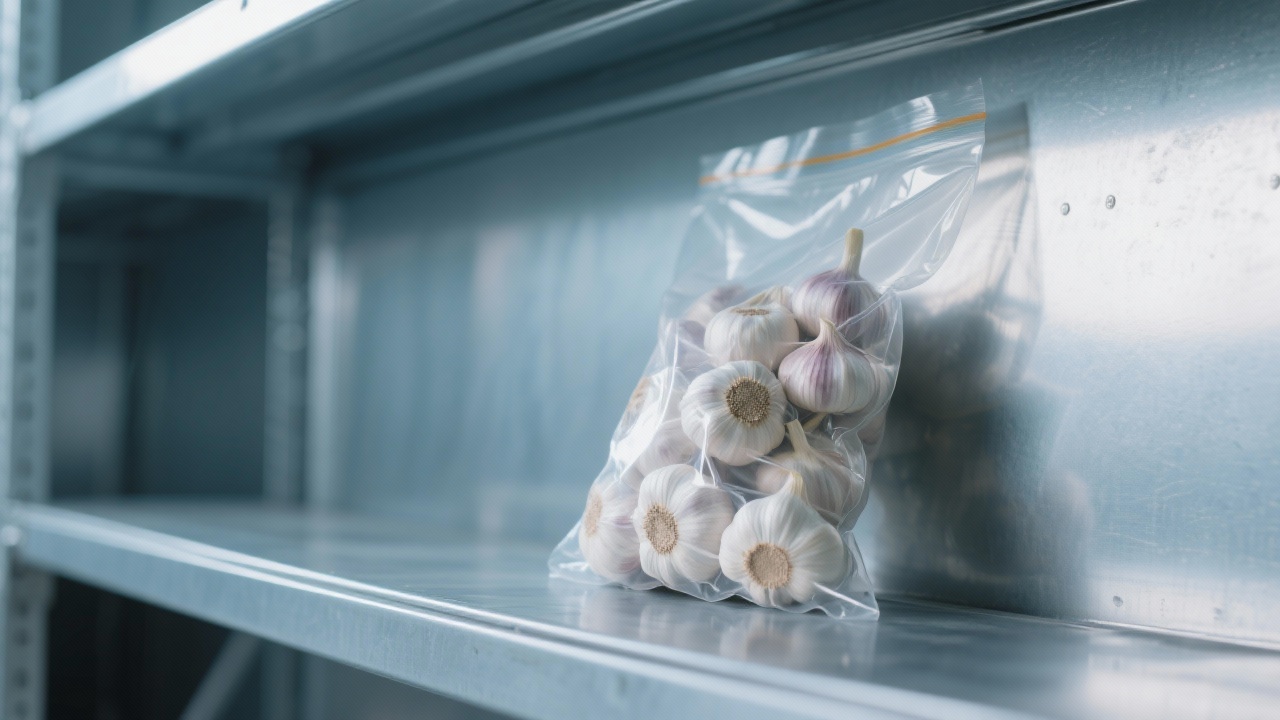
Real-world implementation of precise refrigeration combined with mesh bag packaging has enabled European garlic suppliers to extend commercial availability beyond 9 months, compared to 3-4 months using ambient storages. Case studies report maintenance of core bulb firmness above 85% of initial levels and retention of sulfur-containing allicin compounds by over 75% after six months. Logistics optimization through temperature-controlled transport ensures the cold chain remains unbroken, correlating directly with higher buyer satisfaction and repeat orders.
These findings were validated in a study by a major EU garlic distributor where controlled storage temperatures coupled with ventilated packaging resulted in a 20% improvement in overall product quality ratings by gastronomy industry clients during peak off-season months.
Temperature management at -3°C to 0°C favors the retention of volatile sulfur compounds responsible for garlic’s characteristic health benefits, including antioxidant and anti-inflammatory effects. Bioassays indicate these compounds degrade by less than 15% under optimized cold storage, whereas ambient conditions can result in reductions up to 50% within three months. This nutritional stability directly affects flavor intensity and market appeal for discerning European end-users.
For European buyers and processing enterprises, the following best practices are advised to maximize garlic quality retention:
Implementing these scientifically backed control measures facilitates significant improvements in product reliability, inventory turnover, and end-customer satisfaction across the European garlic market.
Discover Advanced Garlic Cold Storage Solutions to Elevate Your Supply Chain.png?x-oss-process=image/resize,h_600,m_lfit/format,webp)


.png?x-oss-process=image/resize,h_200,m_lfit/format,webp)





 TikTok
 Facebook