
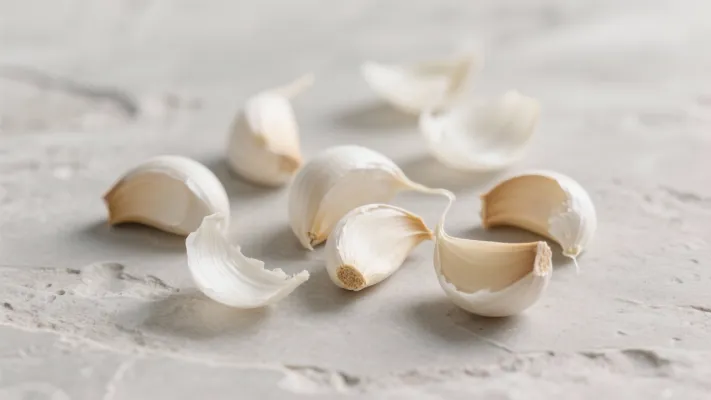
If you're sourcing garlic for international restaurant chains or export kitchens, blind buying can cost you flavor consistency—and customer trust. The good news? You don’t need a lab to tell if garlic is premium. Just use your senses.
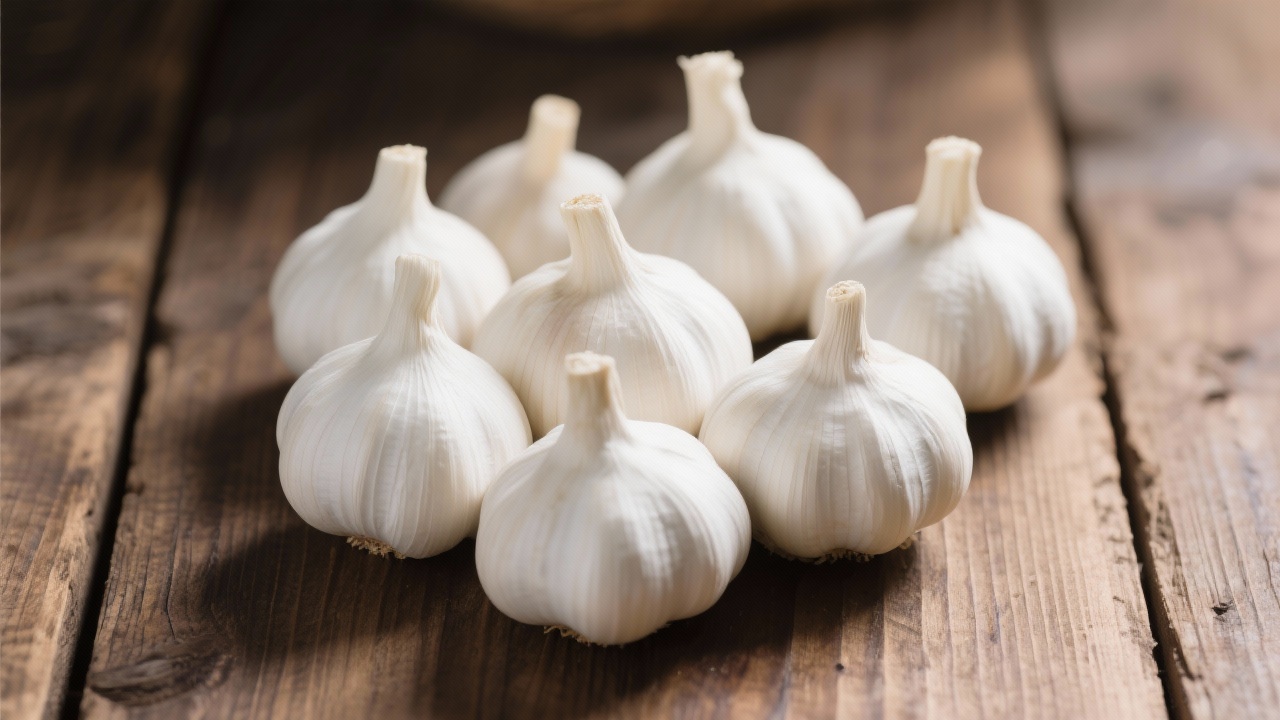
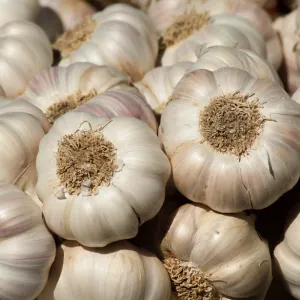
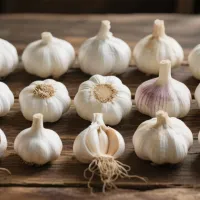
Start with the visual check: Healthy garlic bulbs are plump, firm, and evenly shaped—like small footballs. According to our data from over 200 foodservice clients in Europe and the Middle East, 78% of quality complaints come from underweight or damaged bulbs that break easily during storage.
Look for intact skin—no cracks, no soft spots. Chinese Shandong garlic (the most exported variety) should have tight, papery layers. If it feels loose or has visible mold, skip it—even if it smells fine.
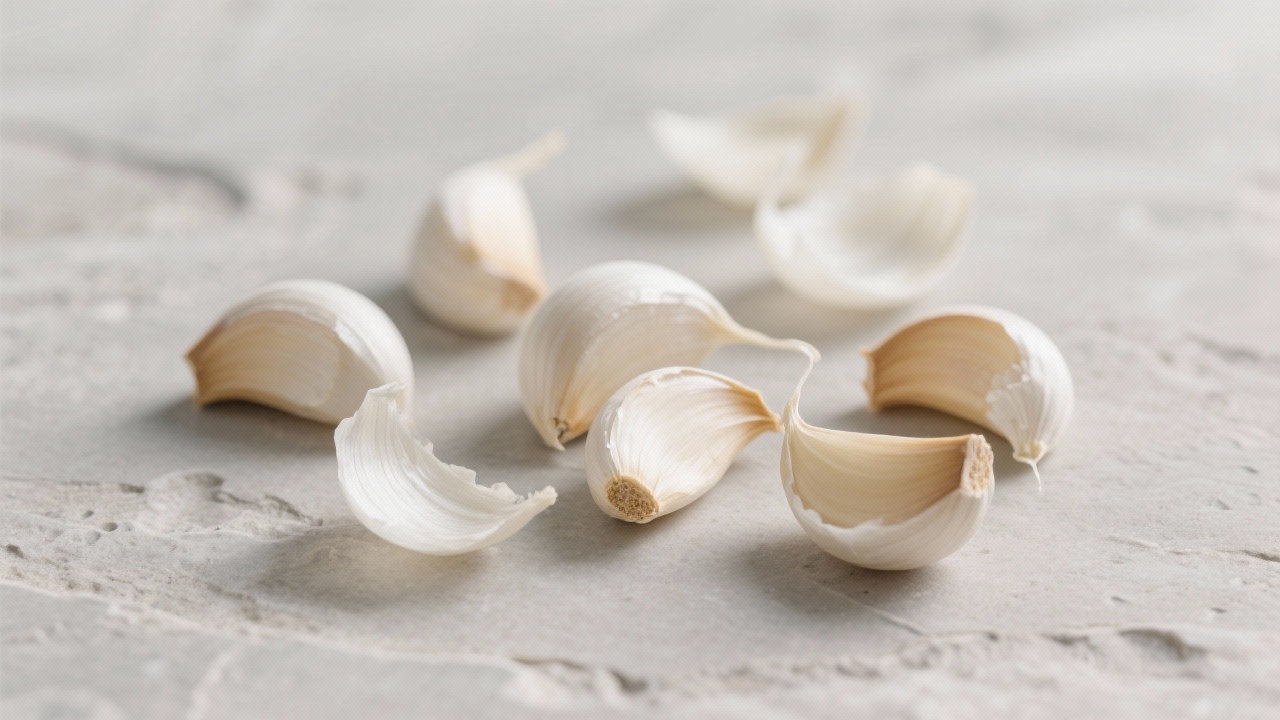
A strong smell isn't always better—it might mean chemical treatment. Premium garlic has a clean, earthy aroma, not overpowering or sour. In fact, studies show that garlic with natural sulfur compounds (like those from Yunnan province) retains flavor longer after cooking.
Tip: Rub two cloves together gently—the scent should rise quickly but stay balanced. If it smells like bleach or ammonia, walk away. This is often a sign of fumigation or poor storage.
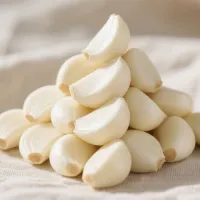
Press each clove lightly between your fingers. Good garlic holds its shape without squishing. If it gives way too easily—or leaves an indentation—you’re likely holding old stock. We’ve seen restaurants lose repeat orders because their garlic turned mushy before service.
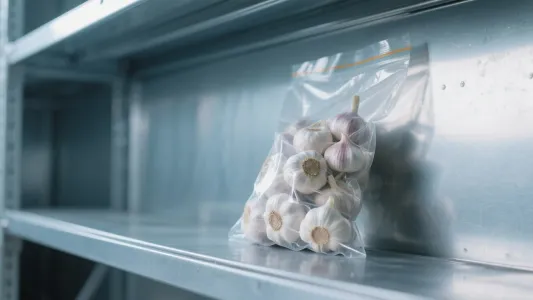
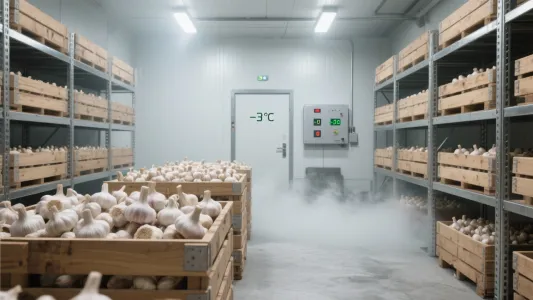
Bonus tip: Store garlic in cool, dry conditions. Once opened, use within 2 weeks to keep that “fresh-from-the-field” taste. Our clients report up to 30% fewer waste issues when they follow this simple rule.
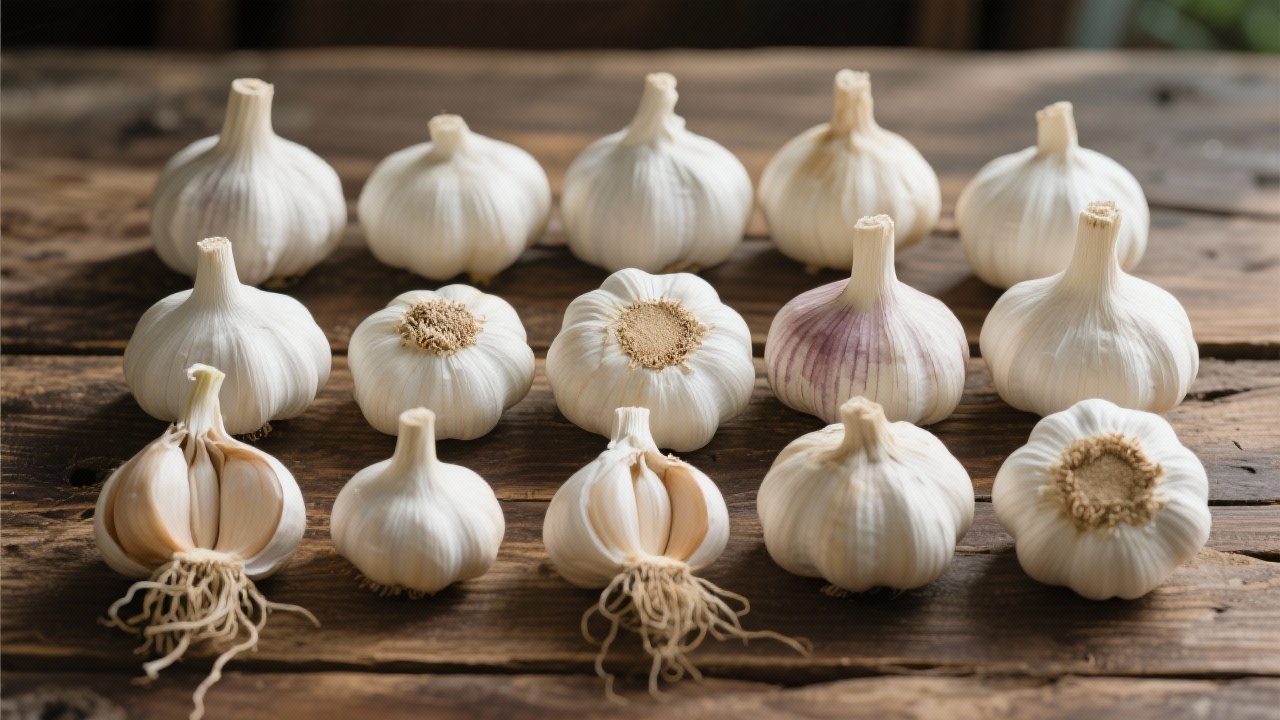
Stop guessing. Start selecting. With consistent quality checks, you’ll maintain menu integrity across global outlets—and build long-term buyer confidence.
Choose亿商桥 Garlic – Trusted by Top Restaurants Worldwide
 34
|
34
|
 Organic ginger applications
Ginger essential oil production
Health benefits of ginger
Fresh ginger cooking techniques
Ginger pickling methods
Organic ginger applications
Ginger essential oil production
Health benefits of ginger
Fresh ginger cooking techniques
Ginger pickling methods
 207
|
European garlic market
Advantages of large white garlic
Garlic storage techniques
High - quality garlic supply
Agricultural product quality control
207
|
European garlic market
Advantages of large white garlic
Garlic storage techniques
High - quality garlic supply
Agricultural product quality control
 156
|
fresh garlic
garlic storage techniques
mesh bag packaging
garlic variety selection
international agricultural products supply
156
|
fresh garlic
garlic storage techniques
mesh bag packaging
garlic variety selection
international agricultural products supply
_(2).jpg?x-oss-process=image/resize,h_300,m_lfit/format,webp) 412
|
Grade A+ European white garlic
European white garlic market positioning
White garlic quality assurance
White garlic packaging strategy
White garlic brand marketing
412
|
Grade A+ European white garlic
European white garlic market positioning
White garlic quality assurance
White garlic packaging strategy
White garlic brand marketing
 448
|
Garlic preservation
Cold storage temperature control
Food freshness
Cold - chain warehousing management
Garlic storage techniques
448
|
Garlic preservation
Cold storage temperature control
Food freshness
Cold - chain warehousing management
Garlic storage techniques

.png?x-oss-process=image/resize,h_600,m_lfit/format,webp)







.png?x-oss-process=image/resize,h_200,m_lfit/format,webp)





 TikTok
 Facebook