
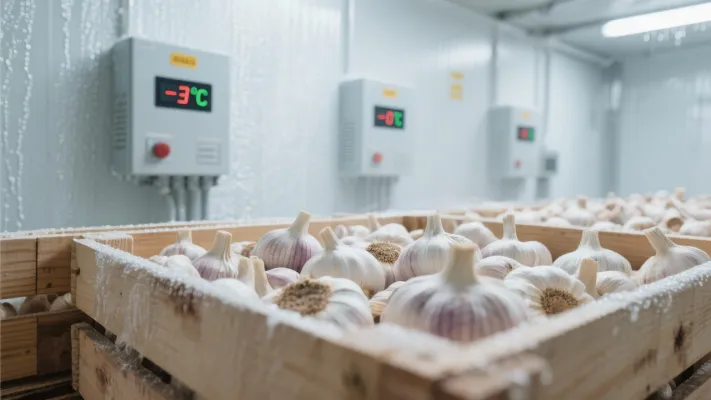
In the competitive world of garlic export, maintaining consistent quality through the supply chain is paramount—especially for foodservice operators who rely heavily on raw material integrity. Spotting inferior garlic early can save costs, reduce waste, and protect a brand's culinary reputation. This guide dives into the most common quality risks encountered during garlic export and introduces a practical, sensory-based screening method designed to help kitchen staff and quality controllers swiftly identify premium garlic.
Exported garlic faces multiple quality challenges originating from harvest, storage, transport, to reception. Moisture fluctuations, mechanical damage, microbial contamination, and improper curing often manifest as issues such as premature sprouting, decay, and flavor loss. These factors not only threaten the shelf life but also negatively impact the sensory attributes crucial to chefs and foodservice professionals.
For foodservice buyers, inconsistency in raw garlic impacts the final dish's aroma, texture, and taste profile — resulting in a diminished dining experience and potential customer dissatisfaction.
Leveraging human senses offers a rapid, cost-efficient, and reliable initial screening method. The three primary sensory dimensions to assess garlic quality include:
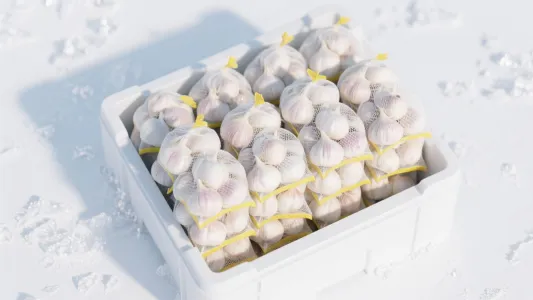
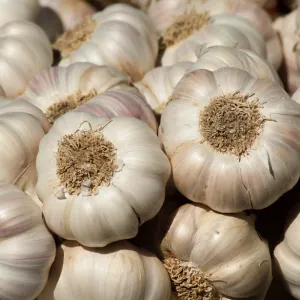
Look for plump, full bulbs where individual cloves are tightly packed without gaps. The outer skin should be intact and dry, free from mold, discoloration, or bruises. A pure, whitish color (or slight pink hue depending on variety) often signifies freshness. Discolored or translucent skin can indicate poor storage or overripeness.
Fresh garlic emits a robust, pungent aroma with a subtle spicy undertone. A weak or musty smell signals oxidation or moisture problems, which compromise both flavor and preservation.
When gently squeezed, high-quality garlic has a firm, solid feel without soft spots or excessive dryness. Mushy textures point to internal rot or late-stage spoilage.
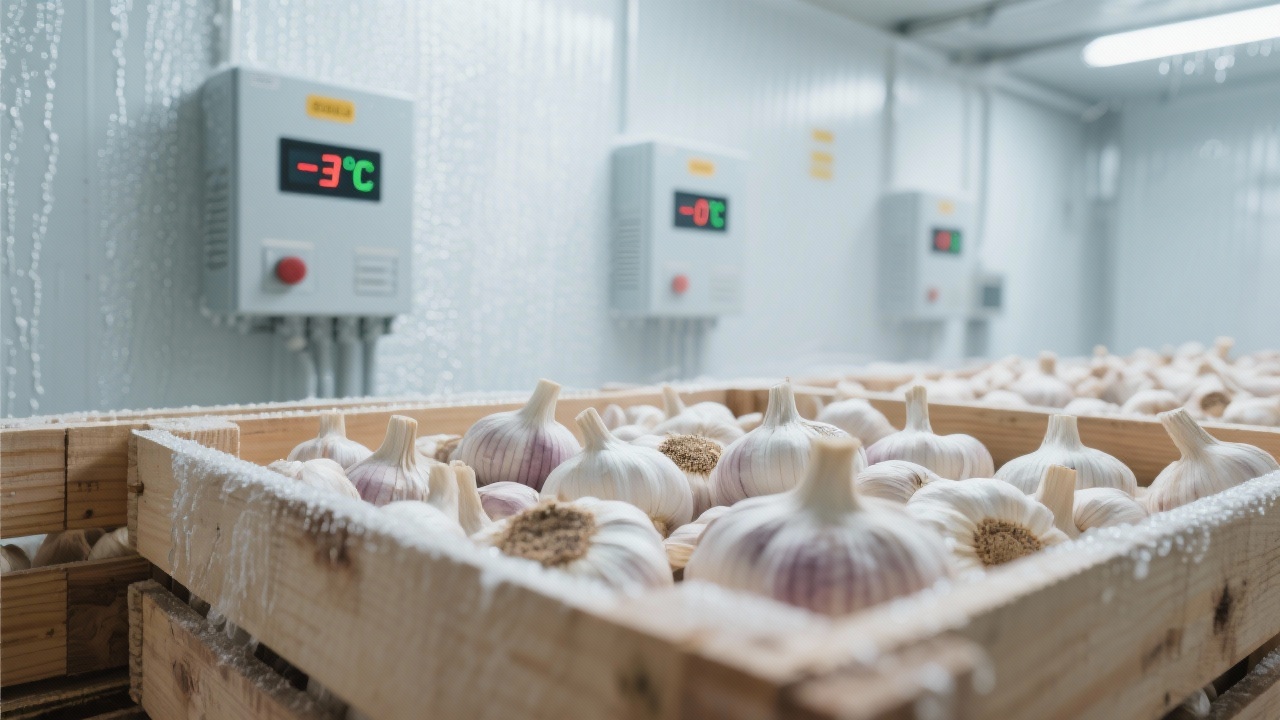
China’s garlic sector mainly sources from regions such as Jinxiang in Shandong Province and Pizhou in Jiangsu Province. Understanding their sensory and varietal differences enables buyers to set realistic quality expectations matching supply.
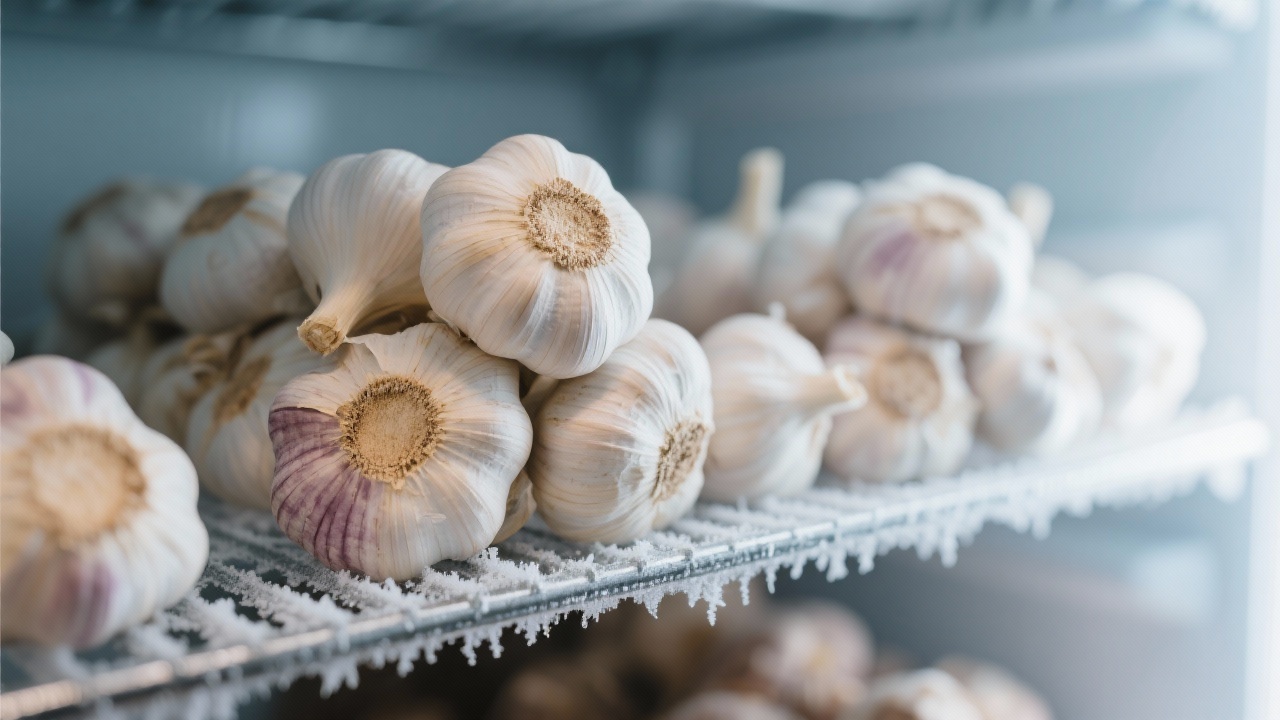
To streamline onsite quality checks in kitchens or receiving docks, a structured yet easy-to-follow checklist is vital. This ensures staff consistency and reduces subjective errors during inspection.
| Quality Attribute | Inspection Criteria | Accept/Reject Guidelines |
|---|---|---|
| Bulb Shape & Size | Uniform, plump bulbs without shriveling | Accept if bulbs are full; reject if irregular or shriveled |
| Skin Condition | Dry, intact, with no mold or discoloration | Accept if clean and dry; reject if wet or bruised |
| Aroma | Strong, fresh garlic scent | Accept if pungent; reject if odorless or musty |
| Firmness | Solid feel without soft spots | Accept if firm; reject if mushy |
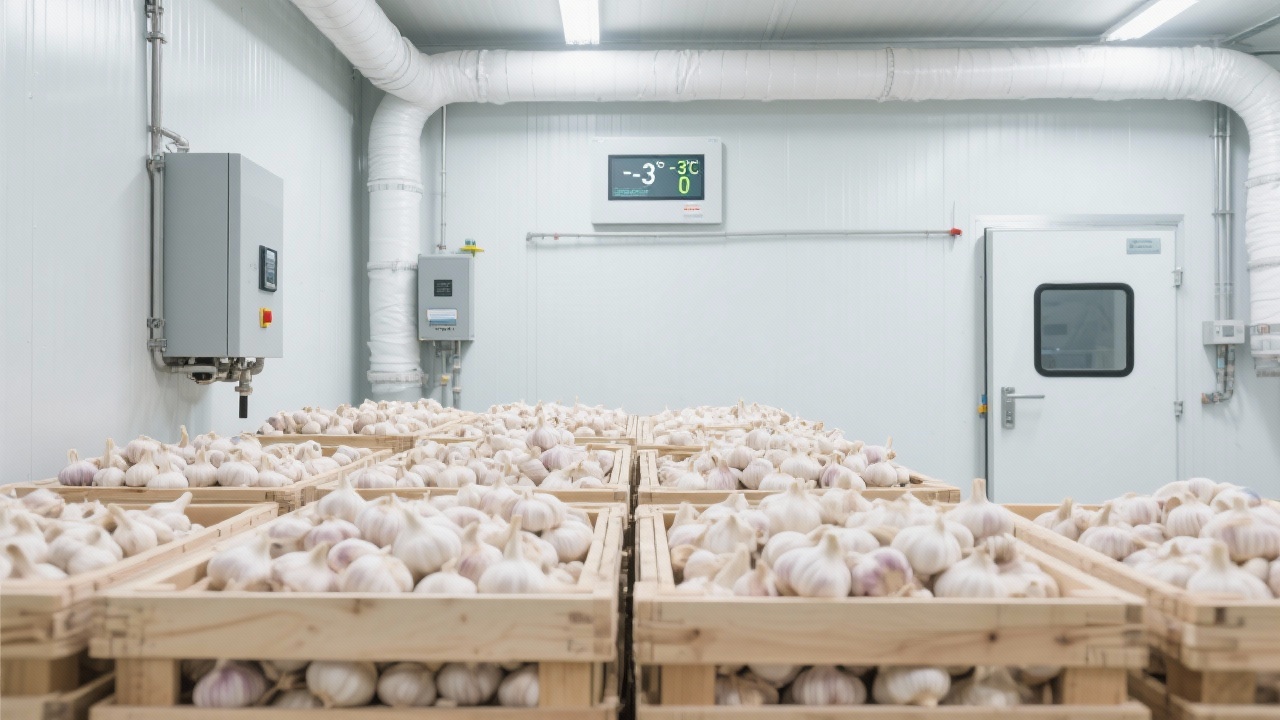
Garlic quality assessment is not static; regular customer feedback loops and process evaluations help adapt screening criteria to evolving supply conditions. Encourage kitchen teams to document deviations and work closely with suppliers for transparency and corrective actions.
Employing short training sessions with annotated sensory examples improves staff proficiency and confidence in quality checks. This results in a dynamic, effective quality assurance ecosystem maximizing product consistency.
 144
|
144
|
 fresh garlic storage techniques
garlic quality judgment criteria
agricultural product cold chain preservation
international garlic supply
high - quality garlic purchase guide
fresh garlic storage techniques
garlic quality judgment criteria
agricultural product cold chain preservation
international garlic supply
high - quality garlic purchase guide
 242
|
Garlic selection techniques
Garlic storage methods
Fresh garlic preservation
Advantages of mesh bag packaging
Agricultural product export standards
242
|
Garlic selection techniques
Garlic storage methods
Fresh garlic preservation
Advantages of mesh bag packaging
Agricultural product export standards
 301
|
["export-grade ginger standards"
"organic ginger cultivation"
"pest control in organic farming"
"sustainable ginger production"
"international food safety regulations"]
301
|
["export-grade ginger standards"
"organic ginger cultivation"
"pest control in organic farming"
"sustainable ginger production"
"international food safety regulations"]
 291
|
fresh garlic quality judgment
foreign trade garlic procurement mistakes
garlic storage methods
agricultural product quality identification
cold - storage preservation technology
291
|
fresh garlic quality judgment
foreign trade garlic procurement mistakes
garlic storage methods
agricultural product quality identification
cold - storage preservation technology
 144
|
garlic transportation packaging
breathable mesh bag for garlic
cold chain logistics for produce
mold prevention in garlic
agricultural packaging solutions
144
|
garlic transportation packaging
breathable mesh bag for garlic
cold chain logistics for produce
mold prevention in garlic
agricultural packaging solutions

.png?x-oss-process=image/resize,h_600,m_lfit/format,webp)






.png?x-oss-process=image/resize,h_200,m_lfit/format,webp)





 TikTok
 Facebook