
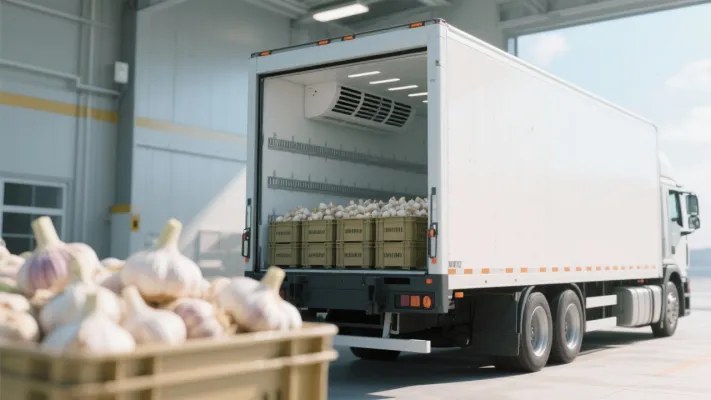
In the global food supply chain, preserving the quality and freshness of garlic is paramount for distributors, wholesalers, and the foodservice industry alike. Scientific advancements in professional refrigeration techniques have unveiled critical insights regarding the optimal storage temperature range and packaging methods for garlic. This article examines the effects of controlled low temperatures from -3℃ to 0℃ on the physical and nutritional properties of garlic, supported by agricultural research data and practical storage applications.
Garlic is a highly perishable product whose shelf life and quality deteriorate quickly under improper storage. Conventional ambient or insufficient refrigeration often leads to enzymatic browning, microbial growth, and moisture loss, which decrease its market value and culinary performance.
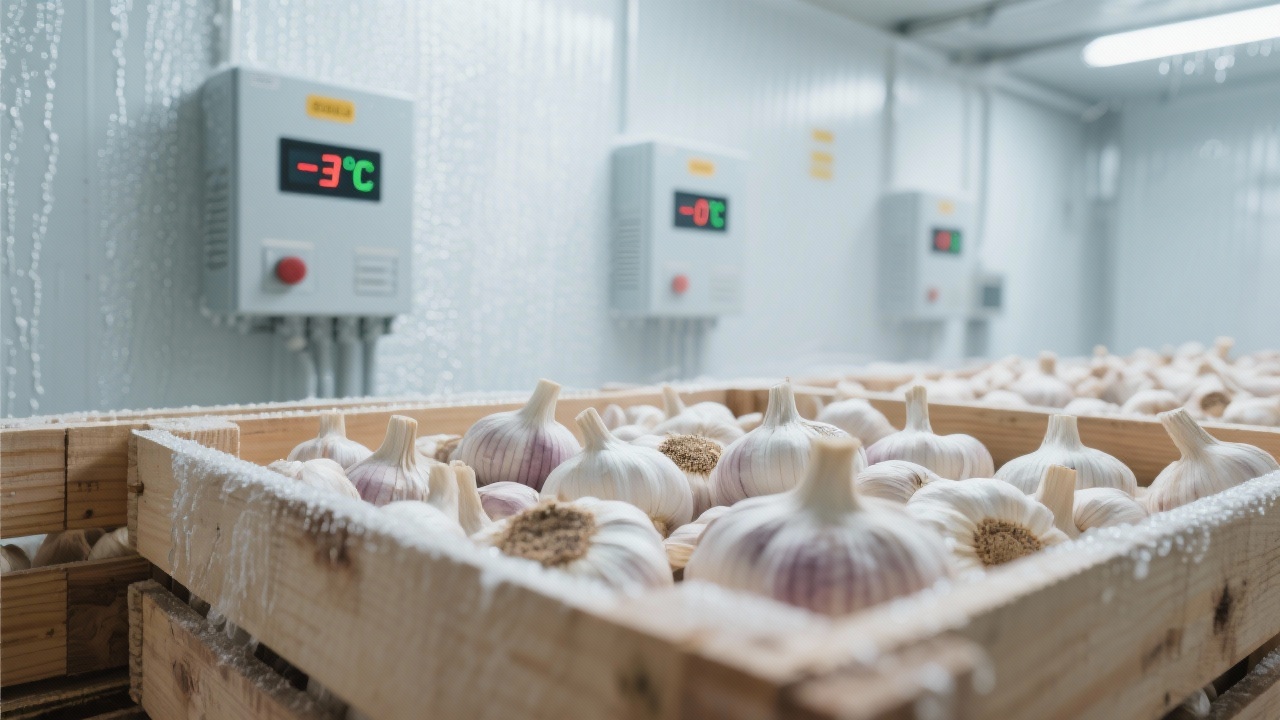
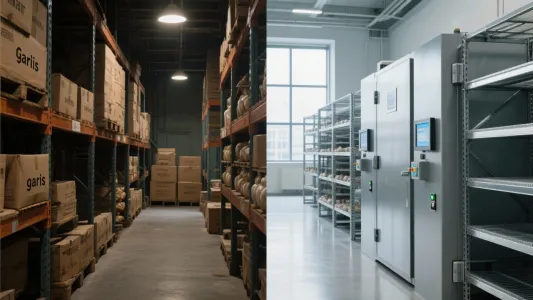
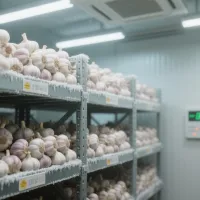
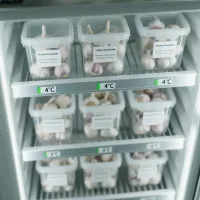
Scientific studies indicate that maintaining a optimal refrigeration range between -3℃ and 0℃ drastically slows down enzymatic reactions and microbial proliferation, critical factors for preserving the cloves’ original texture, color, and bioactive compounds such as allicin and antioxidants.
Lower temperatures inhibit enzymatic activity by approximately 70%-80% when compared to storage at 10℃ or above, while also suppressing common spoilage bacteria and fungal growth that flourish at higher temperatures. Furthermore, controlled humidity combined with low temperature prevents desiccation and weight loss, helping retain over 95% of fresh weight after four weeks.

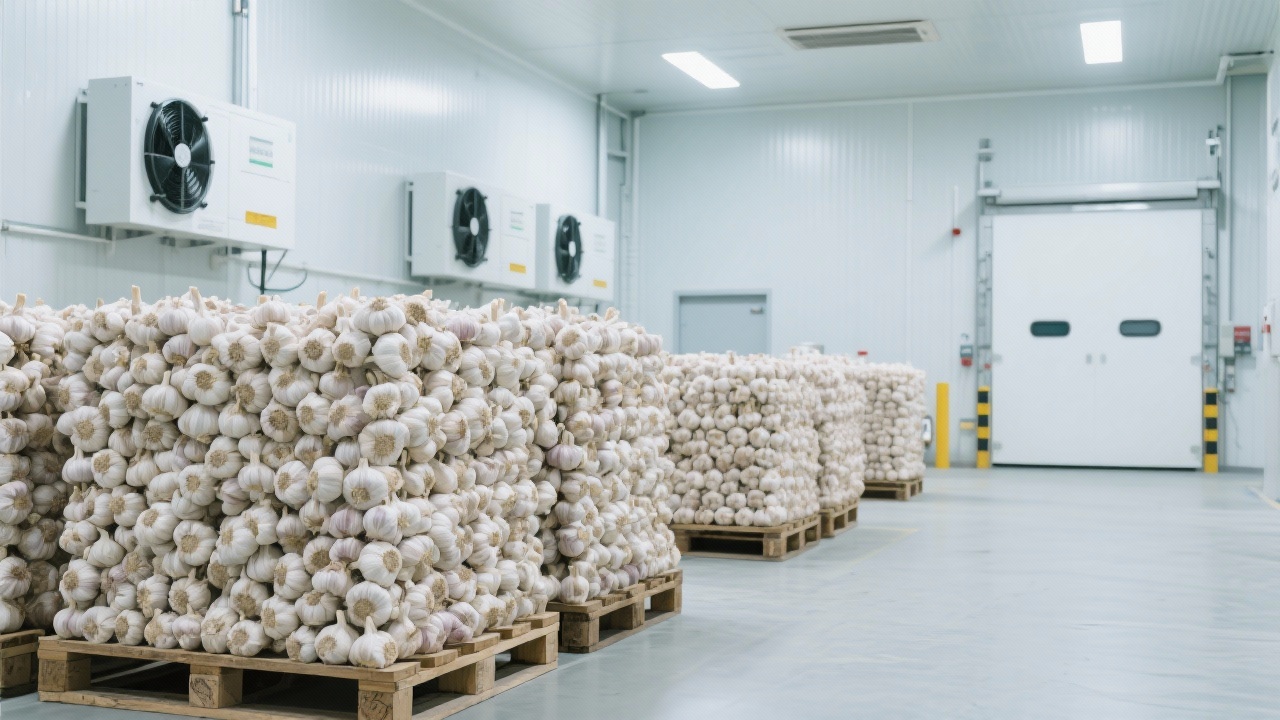
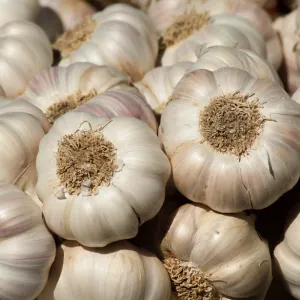
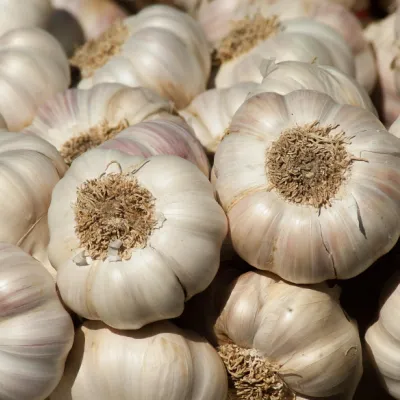
Besides temperature, packaging design significantly influences cold storage performance and overall garlic quality. Using 10-kilogram mesh bags allows superior airflow around garlic bulbs, ensuring uniform temperature distribution and moisture regulation.
Mesh bags prevent condensation build-up, which often causes localized spoilage and cross-contamination in stacked storage. When integrated with state-of-the-art cold storage units equipped with precision sensors and adjustable ventilation, these packaging systems optimize the microenvironment for garlic preservation.
This combination leads to a reduction in quality loss by up to 30% compared to bulk storage without specialized packaging, thus increasing the product's commercial value and customer satisfaction in foodservice supply chains.
For professional foodservice operators and supply chain managers, adopting these refrigeration parameters and packaging methods addresses multiple challenges:
Moreover, these storage improvements align with international quality standards, boosting buyer confidence in global trade contexts and elevating brand reputation.
 93
|
93
|
 Garlic variety selection
International cuisine garlic usage skills
Three-step garlic selection method
Fresh garlic supply
Kitchen ingredient management
Garlic variety selection
International cuisine garlic usage skills
Three-step garlic selection method
Fresh garlic supply
Kitchen ingredient management
 149
|
garlic variety differences
nutritional value of red garlic
cooking uses of purple garlic
suitable dishes for white garlic
how to select large white garlic
149
|
garlic variety differences
nutritional value of red garlic
cooking uses of purple garlic
suitable dishes for white garlic
how to select large white garlic
 89
|
garlic quality improvement
soil amendment for garlic
optimal garlic harvest time
cold chain logistics for garlic
year-round garlic supply
89
|
garlic quality improvement
soil amendment for garlic
optimal garlic harvest time
cold chain logistics for garlic
year-round garlic supply
 174
|
Garlic selection skills
Garlic storage methods
Fresh garlic preservation
Mesh bag packaging advantages
Export - grade garlic quality
174
|
Garlic selection skills
Garlic storage methods
Fresh garlic preservation
Mesh bag packaging advantages
Export - grade garlic quality
 79
|
fresh garlic cooking tips
garlic usage in restaurants
garlic preparation guide
kitchen ingredient management
garlic preservation methods
79
|
fresh garlic cooking tips
garlic usage in restaurants
garlic preparation guide
kitchen ingredient management
garlic preservation methods

.png?x-oss-process=image/resize,h_600,m_lfit/format,webp)






.png?x-oss-process=image/resize,h_200,m_lfit/format,webp)





 TikTok
 Facebook