
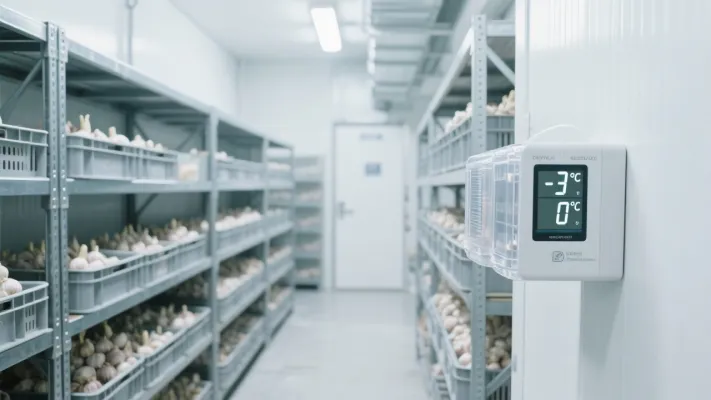
You’ve probably noticed it: a dish that tastes great one day, then lacks depth the next—even when using the same recipe. In the Middle East, where bold flavors are non-negotiable, inconsistent garlic can be the silent killer of your menu’s reputation.
According to a 2023 survey by the Arab Hospitality Association, over 68% of chefs in Dubai and Riyadh report flavor inconsistency as their top ingredient-related challenge—often traced back to raw material variability. That’s why mastering A-grade garlic selection isn’t just about quality—it’s about consistency, trust, and repeat business.
Not all garlic is created equal. Here’s how to match the right type to your culinary goals:
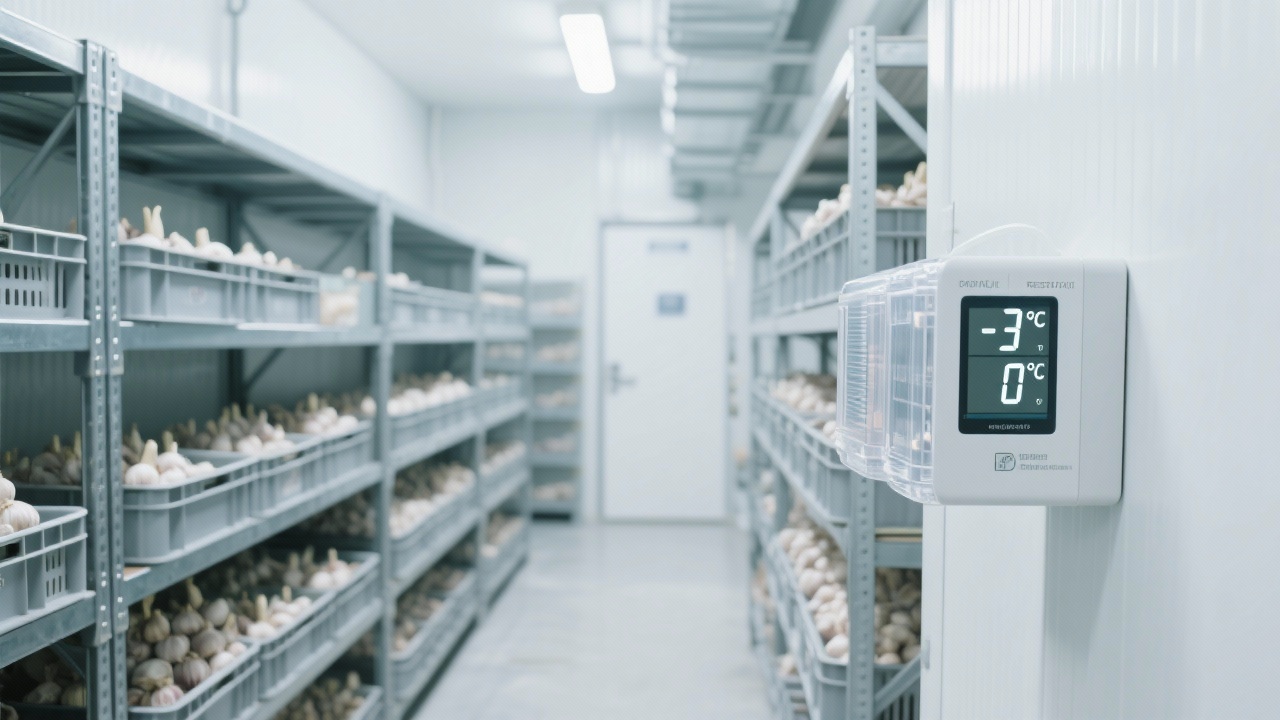
Forget guesswork. Use this proven method trusted by restaurants in Abu Dhabi and Doha:
“We started documenting our garlic inspections after losing three major clients due to inconsistent taste. Now, every batch gets tested before entering the kitchen. Our customer satisfaction scores rose by 42% within six months.” — Ahmed Al-Mansoori, Head Chef, Al Fanar Restaurant, Dubai
These aren’t just tips—they’re foundational practices for any serious food operation aiming to scale sustainably in markets where quality expectations are sky-high.
Download our free PDF checklist: “How to Implement a Standardized Garlic Inspection Protocol”—used by 120+ restaurants in the GCC region.
Click here to get your copy now
 294
|
294
|
 white garlic storage techniques
garlic shelf life extension
cold chain logistics for garlic
professional garlic refrigeration
garlic packaging design
white garlic storage techniques
garlic shelf life extension
cold chain logistics for garlic
professional garlic refrigeration
garlic packaging design
 492
|
Grade A white garlic grading
High - quality garlic identification
White garlic quality standards
Garlic procurement techniques
Chinese - produced white garlic
492
|
Grade A white garlic grading
High - quality garlic identification
White garlic quality standards
Garlic procurement techniques
Chinese - produced white garlic
 169
|
fresh garlic storage methods
export garlic preservation techniques
home garlic storage tips
commercial garlic storage solutions
garlic quality inspection standards
169
|
fresh garlic storage methods
export garlic preservation techniques
home garlic storage tips
commercial garlic storage solutions
garlic quality inspection standards
 274
|
garlic preservation
cold storage temperature control
food freshness management
humidity regulation
cold chain warehousing
274
|
garlic preservation
cold storage temperature control
food freshness management
humidity regulation
cold chain warehousing
 293
|
garlic soil amendment
high-yield garlic farming
cold chain storage for garlic
European garlic import standards
garlic quality control
293
|
garlic soil amendment
high-yield garlic farming
cold chain storage for garlic
European garlic import standards
garlic quality control



.png?x-oss-process=image/resize,h_600,m_lfit/format,webp)





.png?x-oss-process=image/resize,h_200,m_lfit/format,webp)





 TikTok
 Facebook