
For food importers, chefs, and procurement managers sourcing garlic from global suppliers, understanding how to judge quality at a glance is essential—not just for cost efficiency but for consistency in flavor, shelf life, and consumer satisfaction. Whether you're evaluating bulk shipments or selecting premium bulbs for your restaurant menu, this guide breaks down the science-backed indicators that separate top-tier garlic from subpar batches.
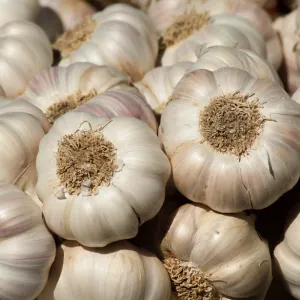
Start with a quick visual sweep. High-quality garlic cloves should be uniformly sized—typically between 1.2–2 cm in diameter—with no significant variation across the bulb. According to the USDA’s post-harvest handling standards, bulbs with consistent size show better uniformity in maturation and storage performance.
| Feature | Good Garlic | Poor Garlic |
|---|---|---|
| Skin Color | White or light purple, glossy surface | Dull, yellowish, or brownish skin |
| Clove Shape | Round, firm, well-formed | Misshapen, cracked, or flattened |
| Bulb Firmness | Tightly packed, no soft spots | Loose cloves, mushy texture |
Gently press each clove. Good garlic feels firm and resilient—it should spring back when lightly squeezed. A lack of elasticity often indicates internal moisture loss or early spoilage. Research from the University of California Cooperative Extension shows that over 70% of garlic sold internationally fails quality checks due to undetected mechanical damage during transport or handling.
Also inspect for mold or discoloration—especially near the base of the clove. Even minor fungal growth can spread quickly under warm conditions, compromising entire batches. Avoid any bulbs showing signs of sprouting or green shoots; these indicate improper storage and reduced shelf life.
Temperature control isn’t just about keeping garlic fresh—it’s about preserving its sulfur compounds, which are responsible for both aroma and health benefits like antioxidant activity. Studies published in the Journal of Food Science confirm that garlic stored at 0–4°C (32–39°F) retains up to 90% of its allicin content after 60 days, compared to only 45% at room temperature.
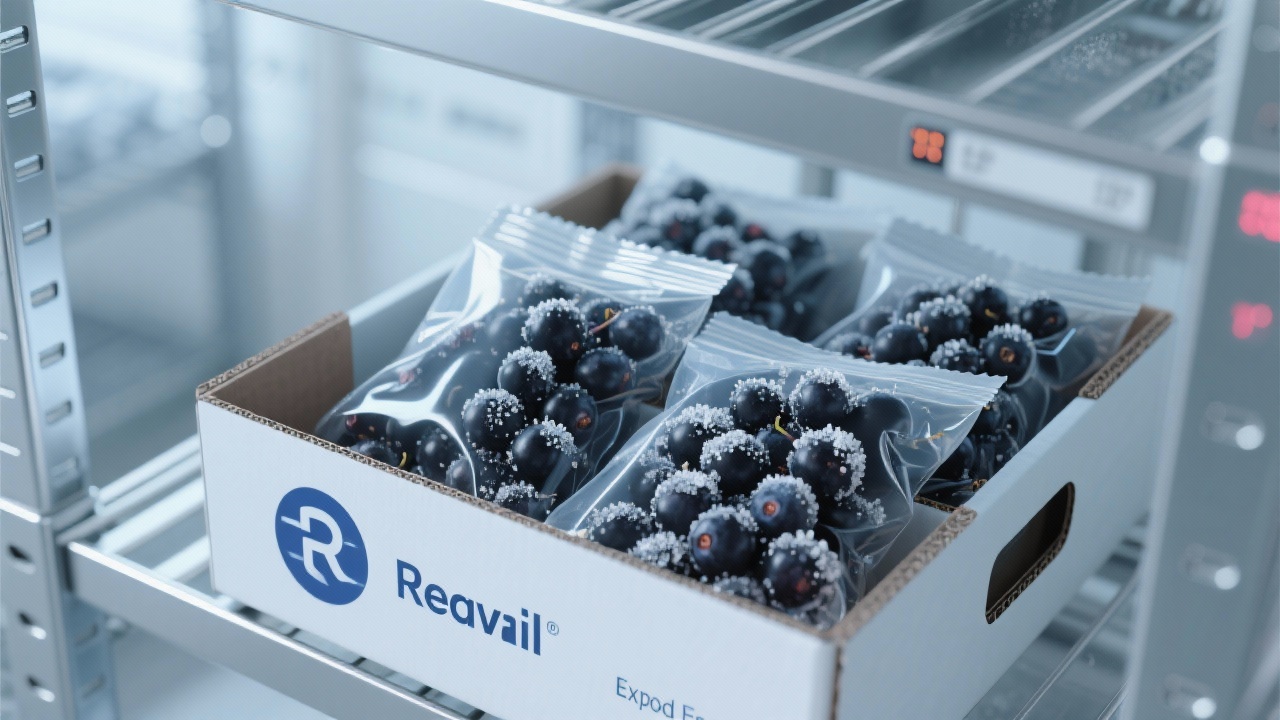
When sourcing internationally, always ask suppliers about their cold chain protocols—from harvest to loading onto containers. Reliable exporters use temperature-controlled warehouses and refrigerated shipping containers to ensure product integrity throughout transit.
Once received, store garlic in a cool, dry, dark place with airflow—ideally between 15–20°C (59–68°F). Avoid plastic bags or sealed containers, as trapped humidity accelerates spoilage. For restaurants or large-scale users, consider dedicated walk-in coolers set to 4°C with relative humidity around 65%. This extends shelf life from ~2 weeks to over 2 months without noticeable degradation in taste or texture.
A common mistake? Storing garlic near onions or potatoes—they release ethylene gas, which speeds up aging. Keep them separate!
Choosing a trusted supplier ensures every clove meets international standards—not just visually, but nutritionally and logistically. At 亿商桥, we combine precision farming with modern cold-chain logistics to deliver garlic that performs consistently across markets—from kitchens in Dubai to distributors in Germany.
Explore our certified garlic range tailored for global export — tested, packed, and delivered with care.
Select Trusted Garlic Suppliers Today.png?x-oss-process=image/resize,h_600,m_lfit/format,webp)




.png?x-oss-process=image/resize,h_200,m_lfit/format,webp)





 TikTok
 Facebook