
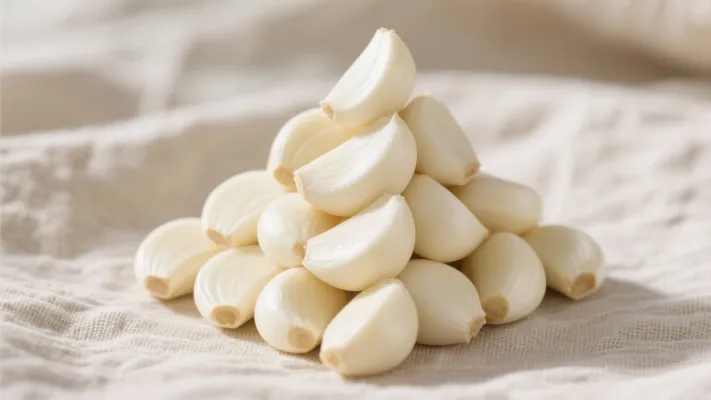
In today’s fast-evolving food industry, garlic is no longer just a seasoning—it's a functional ingredient that drives flavor innovation, enhances shelf life, and boosts differentiation for ready-to-eat meals, sauces, and frozen products. According to a 2023 report by Grand View Research, the global garlic market is projected to reach $4.7 billion by 2030, with processed garlic ingredients growing at a CAGR of 6.2%. But how do manufacturers consistently extract maximum aroma while preserving nutritional value?
When garlic is gently cooked below 85°C (185°F), allicin—the compound responsible for its pungent bite—converts into more stable, aromatic compounds like diallyl disulfide and allyl mercaptan. This process, known as "slow-release flavor activation," allows chefs and R&D teams to build layered taste profiles without bitterness. A study from the Journal of Food Science found that 45 minutes of low-heat simmering increased volatile compound retention by up to 38% compared to rapid boiling.
For high-heat applications such as stir-fries or sauce bases, sulfur stability becomes critical. At temperatures above 120°C (248°F), allicin degrades quickly unless stabilized with natural antioxidants like rosemary extract or citric acid. Industry leaders like Nestlé and Hain Celestial have adopted this method to reduce off-notes in mass-produced garlic sauces—a move that improved customer satisfaction scores by an average of 22% across European markets.
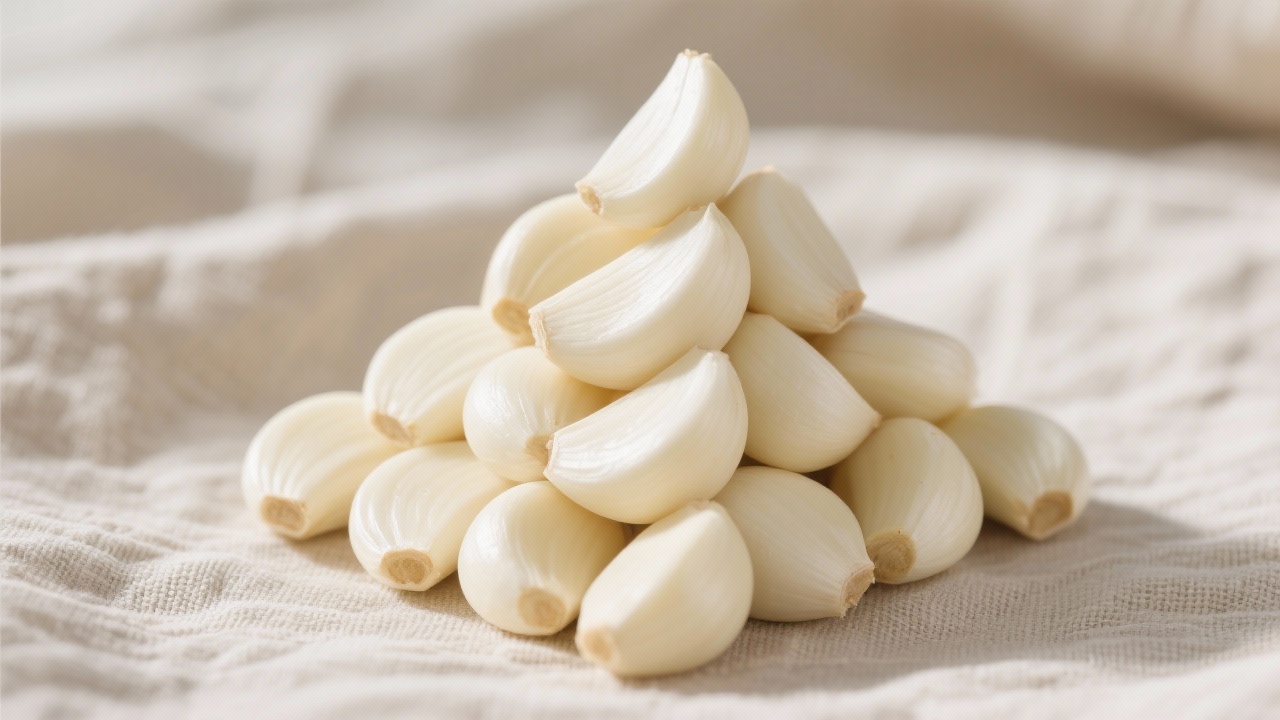
Unlike traditional drying methods that can destroy up to 60% of garlic’s volatile organosulfur compounds, freeze-drying preserves up to 85% of them. This makes it ideal for premium instant meal kits and health-focused snacks where clean-label appeal matters. In one case study involving a U.S.-based meal prep brand, using freeze-dried garlic reduced rehydration time by 30% while maintaining full flavor intensity—leading to a 15% increase in repeat orders within three months.
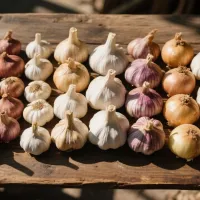
Not all garlic is created equal. Red garlic, commonly grown in California, offers superior coloring power for marinades and pastes—ideal for Asian-style sauces. Meanwhile, purple garlic from China’s Shandong province boasts higher polyphenol content, making it perfect for functional foods targeting antioxidant-rich claims. For food developers aiming to stand out, selecting the right variety isn’t just about taste—it’s about performance.
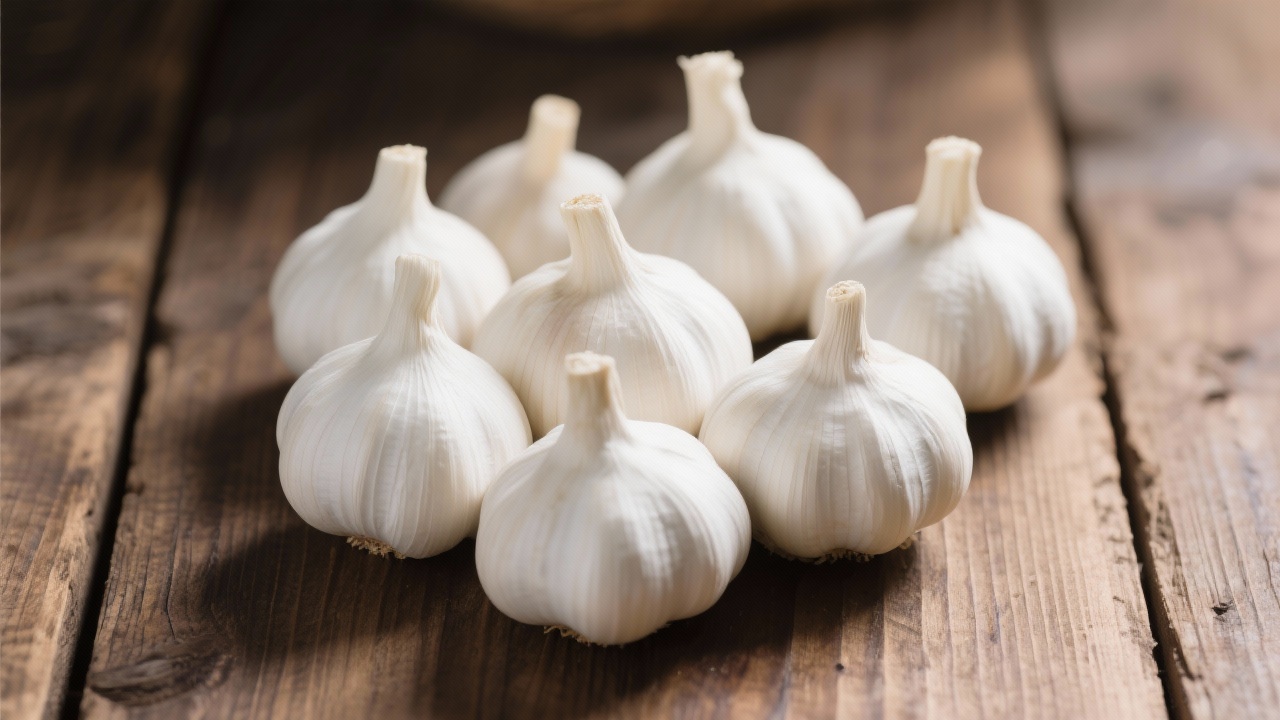
Whether you're scaling production or launching your first gourmet line, mastering garlic’s behavior under different thermal conditions is key to consistent quality—and competitive edge.
Explore our certified organic, traceable garlic varieties designed for optimal flavor release and functional performance—perfect for OEMs, foodservice suppliers, and private label brands worldwide.
Get Premium Garlic Samples & Technical Specs
 359
|
359
|
 fresh ginger
immune system enhancement
gingerol efficacy
functional food formula
B2B health food
fresh ginger
immune system enhancement
gingerol efficacy
functional food formula
B2B health food
 211
|
Middle Eastern restaurant garlic selection
Grade A garlic identification standards
Kitchen ingredient acceptance process
Red garlic cooking applications
Purple garlic decoration techniques
211
|
Middle Eastern restaurant garlic selection
Grade A garlic identification standards
Kitchen ingredient acceptance process
Red garlic cooking applications
Purple garlic decoration techniques
 64
|
garlic保鲜
冷库温控
食材新鲜度
冷链仓储管理
餐厅食材储存
64
|
garlic保鲜
冷库温控
食材新鲜度
冷链仓储管理
餐厅食材储存
 381
|
garlic quality testing
sensory evaluation of garlic
food export garlic sourcing
garlic selection for restaurants
garlic inspection checklist
381
|
garlic quality testing
sensory evaluation of garlic
food export garlic sourcing
garlic selection for restaurants
garlic inspection checklist
 162
|
red garlic recipe
garlic variety comparison
cold chain garlic storage
homemade garlic sauce
foreign buyer kitchen guide
162
|
red garlic recipe
garlic variety comparison
cold chain garlic storage
homemade garlic sauce
foreign buyer kitchen guide
.png?x-oss-process=image/resize,h_600,m_lfit/format,webp)






.png?x-oss-process=image/resize,h_200,m_lfit/format,webp)





 TikTok
 Facebook