
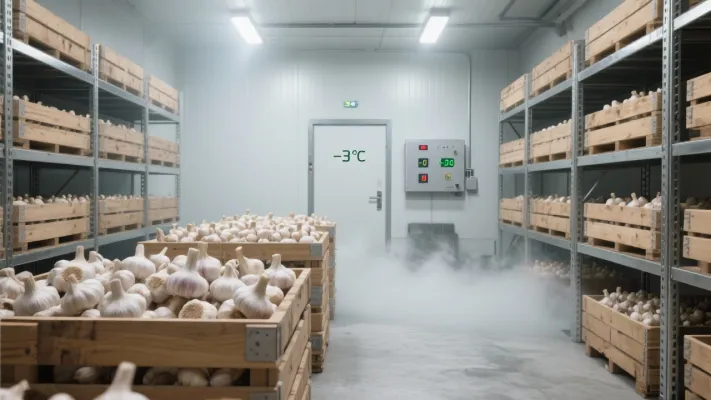
Garlic is a staple ingredient in Middle Eastern cuisine, and its freshness directly impacts both flavor and food safety. Given the harsh climatic conditions across the region, extending the shelf life of garlic requires sophisticated cold chain strategies. This article explores the crucial role of precise temperature control within cold storage facilities, focusing on the scientifically proven temperature window of -3°C to 0°C for optimizing garlic preservation. Complementary measures such as humidity regulation, ventilation design, and layered stacking are also examined to form a comprehensive cold chain protocol tailored for the Middle Eastern foodservice sector.
Scientific studies indicate that garlic respiration rates decrease significantly in the temperature range between -3°C and 0°C, effectively slowing metabolic pathways that lead to sprouting and decay. At temperatures below -3°C, however, the risk of freezing damage increases, compromising cellular integrity and resulting in texture degradation. Conversely, storage above 0°C accelerates enzymatic activity, leading to earlier sprouting and spoilage.[1] Maintaining a stable environment within this narrow band optimizes freshness, allowing garlic bulbs to retain their firmness and pungency for up to 8 to 12 weeks, compared to just 2 to 3 weeks at ambient Middle Eastern temperatures (often exceeding 30°C).
Beyond temperature, relative humidity (RH) plays a pivotal role in garlic preservation. Ideal RH levels for garlic are between 60% and 70%. Lower humidity accelerates dehydration, causing weight loss and shriveling, while excessive moisture fosters mold growth and rot. Professional cold storages implement humidity sensors integrated with climate control systems to maintain this delicate balance dynamically. Studies reveal that maintaining optimal RH can reduce weight loss in garlic bulbs by up to 15% over standard storage periods.[2]
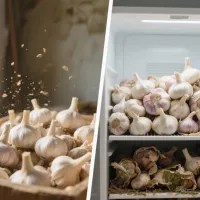
Proper airflow inside cold storage prevents accumulation of ethylene gas, a natural plant hormone that can hasten sprouting and spoilage, while also avoiding humidity hotspots that encourage fungal growth. Designing air distribution with uniform ventilation circuits ensures all garlic bulbs experience consistent temperature and humidity conditions. Layered shelving with adequate spacing enhances natural air circulation. Empirical data from controlled facilities show a 20% reduction in post-harvest fungal contamination with optimized ventilation systems.[3]
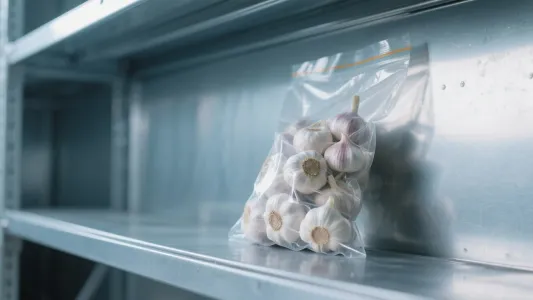
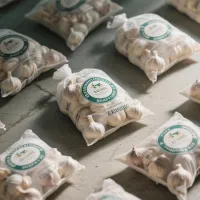
To accommodate large-scale demand in Middle Eastern foodservice hubs, cold storage operators apply layered stacking techniques. This involves placing garlic in ventilated crates or mesh bags stacked no higher than 1.5 meters to minimize pressure damage and ensure airflow continuity. Monitoring weight and moisture gradients across layers prevents quality deterioration. Field trials have confirmed that such stacking practices can maintain uniform freshness levels, reducing spoilage losses by approximately 10% compared to bulk unmanaged storage.
Integration of these temperature, humidity, ventilation, and stacking protocols constitutes a scientifically grounded cold chain storage system, critical to meet the high food quality standards of Middle Eastern restaurant procurement teams and cold chain specialists. This system helps guarantee a reliable supply of fresh garlic, thereby supporting culinary excellence and waste reduction.
A leading garlic exporter to the UAE recently adopted an advanced cold storage system based on the described parameters. By stabilizing temperature at -1.5°C ± 0.5°C with 65% RH, and enhancing ventilation with high-efficiency fans, the company extended product life by over 50% while minimizing post-harvest losses. These improvements translated to a 25% increase in client satisfaction among restaurant buyers, citing enhanced freshness upon delivery and longer shelf usage.
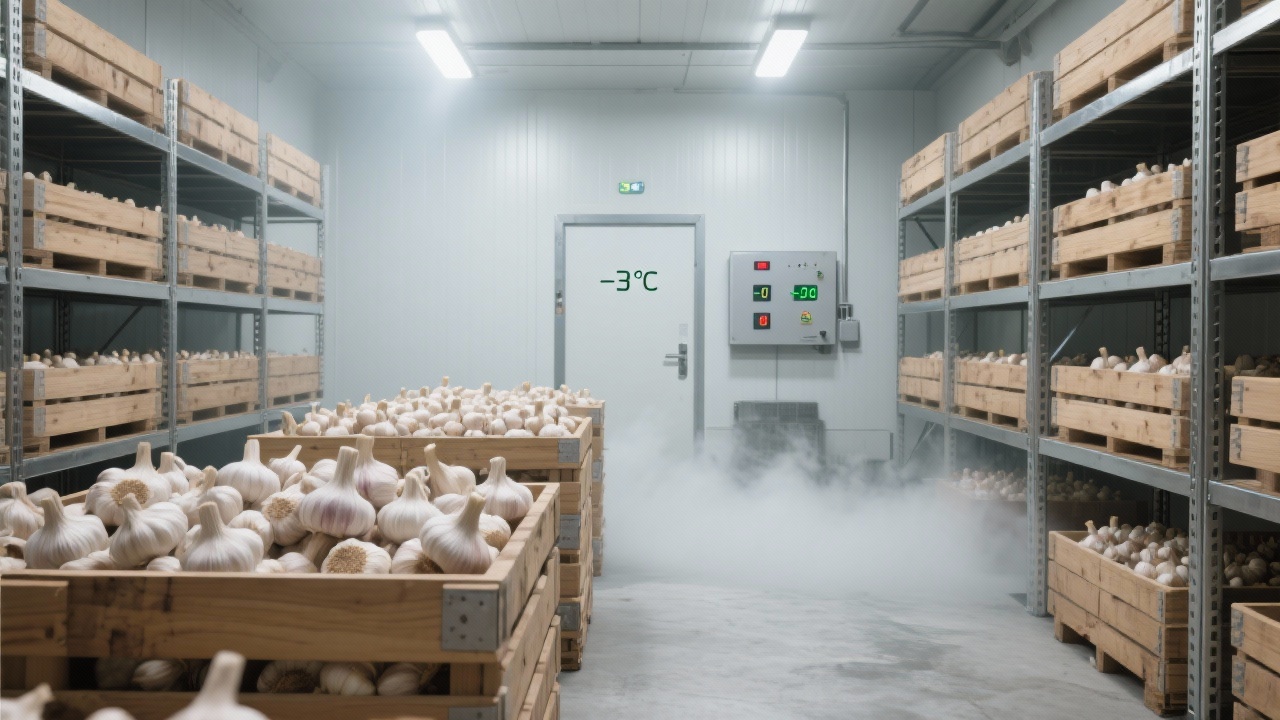
Seasonal temperature fluctuations in Middle Eastern markets, especially vast summer peaks, require cold chain systems to adjust settings proactively. For instance, increasing cooling capacity during peak heat seasons ensures consistent -3°C to 0°C ranges despite ambient temperatures soaring above 40°C. Data-driven sensor networks and automated alerts assist managers in making timely operational changes. This dynamic approach upholds garlic quality year-round, safeguarding supply chains.
To further enhance preservation, each garlic batch undergoes quality control assessments for moisture content, physical integrity, and microbial load before cold storage acceptance, aligning storage protocols with international food safety standards.
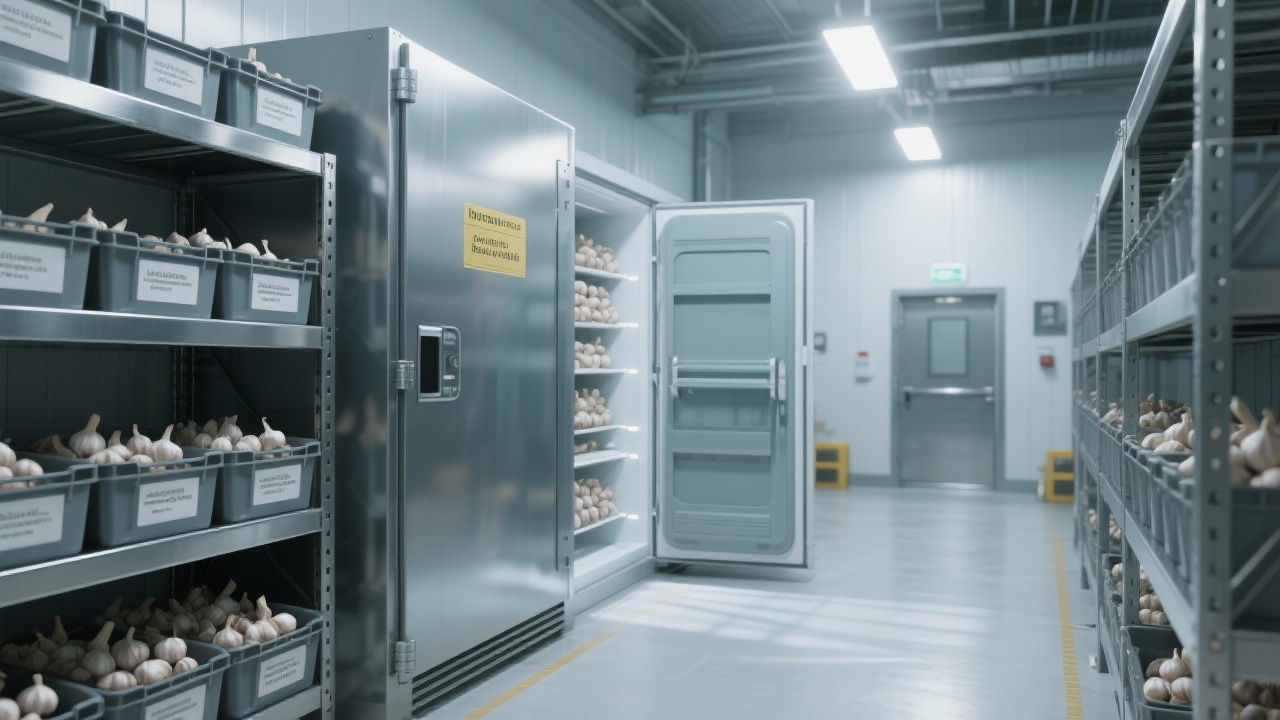
For restaurant procurement specialists and cold chain managers, understanding these preservation techniques supports smarter purchasing decisions and more efficient inventory management. Implementing traceable cold chain records, from supplier to kitchen, leverages transparency to prevent quality failures and optimize sourcing.
This expertise not only reduces operational losses but also aligns with sustainability goals by minimizing food waste through scientifically optimized storage.

 473
|
473
|
 Year-round garlic supply
High-quality garlic planting technology
Cold chain logistics for preservation
European garlic imports
Garlic production management
Year-round garlic supply
High-quality garlic planting technology
Cold chain logistics for preservation
European garlic imports
Garlic production management
 192
|
fresh garlic quality assessment
cold storage technology for garlic
garlic preservation methods
agricultural supply chain optimization
garlic selection guide
192
|
fresh garlic quality assessment
cold storage technology for garlic
garlic preservation methods
agricultural supply chain optimization
garlic selection guide
 404
|
garlic preservation technology
low-temperature garlic storage
mesh bag packaging benefits
cold chain garlic management
European garlic market demands
404
|
garlic preservation technology
low-temperature garlic storage
mesh bag packaging benefits
cold chain garlic management
European garlic market demands
 223
|
mesh bag packaging
garlic preservation
cold chain logistics
agricultural product transportation
ventilation packaging solutions
223
|
mesh bag packaging
garlic preservation
cold chain logistics
agricultural product transportation
ventilation packaging solutions
 345
|
garlic cold storage technology
cold chain management for garlic
garlic shelf life extension
low temperature storage benefits
ventilated mesh bag packaging
345
|
garlic cold storage technology
cold chain management for garlic
garlic shelf life extension
low temperature storage benefits
ventilated mesh bag packaging



.png?x-oss-process=image/resize,h_600,m_lfit/format,webp)






.png?x-oss-process=image/resize,h_200,m_lfit/format,webp)





 TikTok
 Facebook