
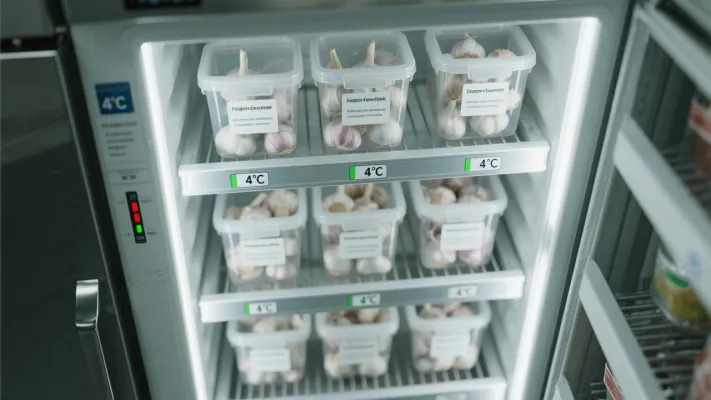
In the rapidly evolving Middle Eastern foodservice sector, maintaining the freshness of ingredients like garlic has become a strategic priority. The challenge of preserving garlic’s quality from procurement to plate is not trivial, especially given the intensive demands for consistent dish excellence.
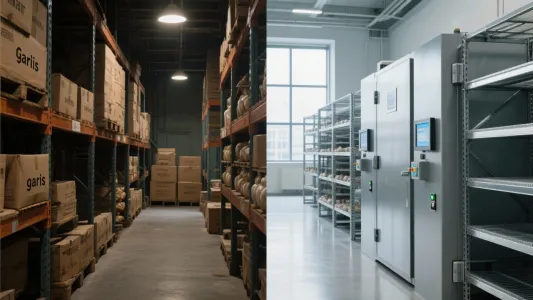
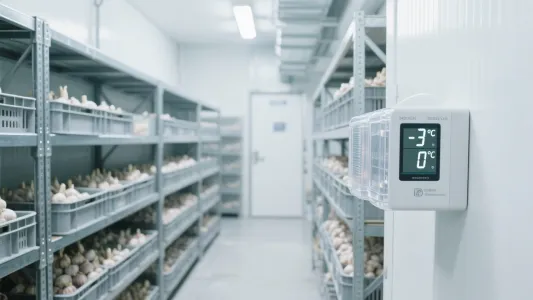
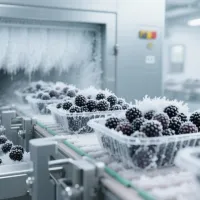
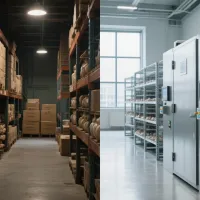
Garlic bulbs continue to respire post-harvest, accelerating spoilage through enzymatic activity and sprouting. Scientific studies demonstrate that maintaining cold storage temperatures within the narrow window of −3℃ to 0℃ effectively suppresses respiratory rates and enzyme functions critical to decay processes. This temperature range decelerates sprouting without freezing the cloves, which preserves the integrity and flavor profile sought by culinary professionals.
Beyond temperature, controlling relative humidity between 85% and 90% is essential to prevent dehydration while inhibiting the onset of fungal growth. Cold storage rooms equipped with optimized airflow prevent cold condensate build-up, a common culprit behind mold proliferation.
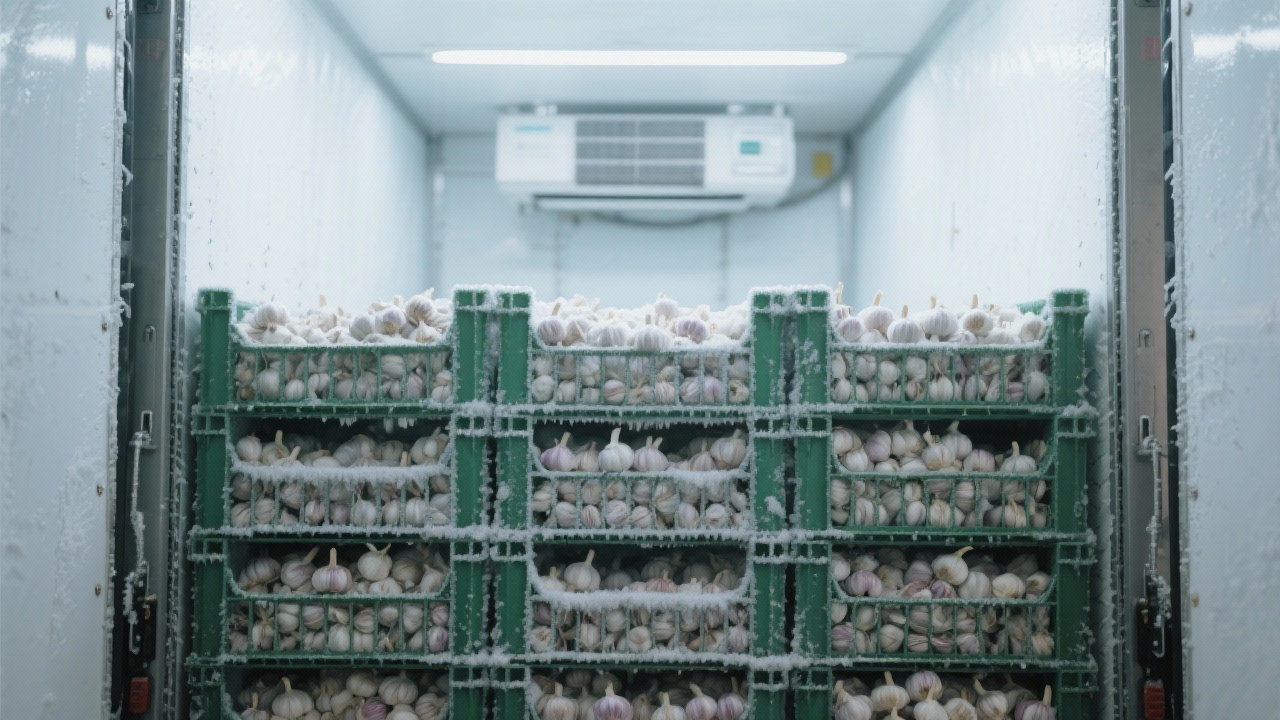
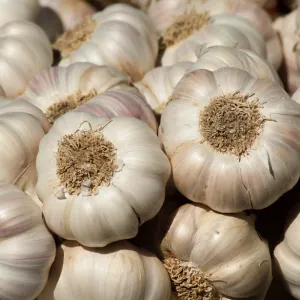
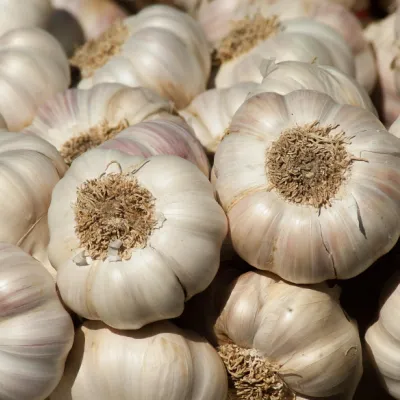
Equally critical is the practice of layered stacking of garlic cloves, which minimizes compression damage that often invites microbial infection. By separating garlic into carefully managed layers with adequate air gaps, restaurants can notably reduce surface mold incidence and spoilage rates by ensuring uniform cold exposure and ventilation.
Deployment of these cold storage protocols by a major restaurant chain resulted in a 30% reduction in garlic spoilage within six months of implementation. This translated into substantial cost savings on inventory wastage and a consistent ingredient quality that directly enhanced their kitchen output and customer satisfaction scores.
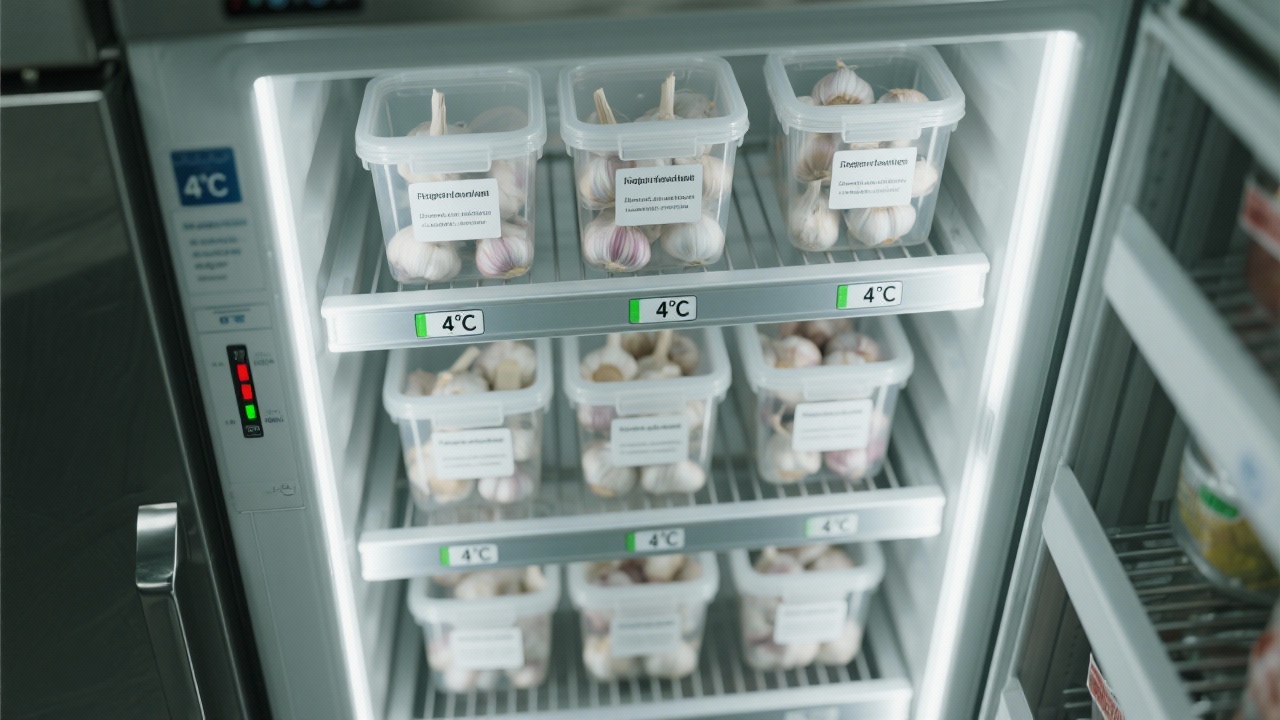
Adaptations for seasonal variations, such as heightened monitoring during Middle Eastern summer months when ambient temperatures can soar, are becoming industry best practices. More sophisticated systems utilize automated sensors and real-time data to fine-tune temperature and humidity, providing an extra layer of risk mitigation against spoilage during critical phases.
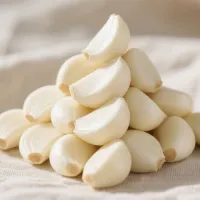
Our company offers Grade A garlic cultivated under stringent agricultural standards and delivered via a robust cold chain system. From carefully monitored harvesting, through specialized packaging, to secure refrigerated transport, every step is engineered to preserve freshness and extend shelf life. With our year-round stable supply, culinary professionals can rely on an uninterrupted inventory and less wastage—empowering kitchens to focus on quality and operational efficiency.
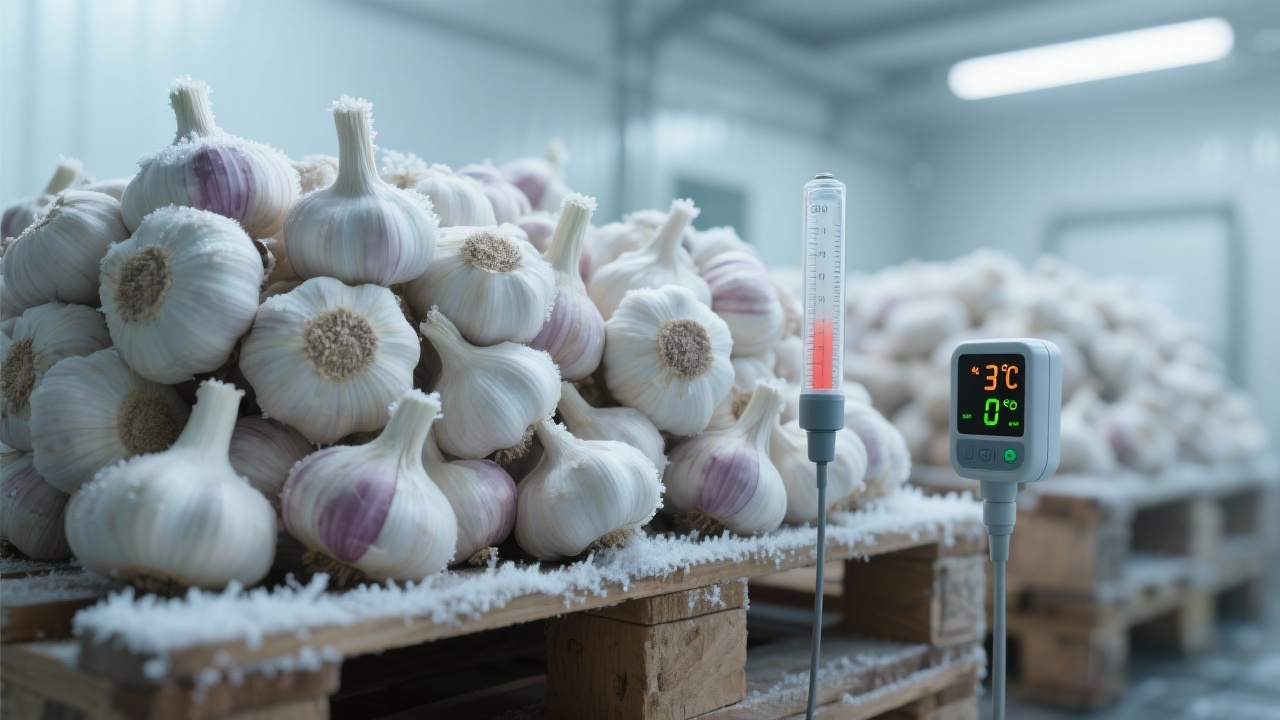
The synergy of agricultural engineering with cold storage science unlocks unprecedented control over fresh garlic’s quality trajectory. By leveraging optimized temperature settings, precise humidity management, and strategic layering logistics, Middle Eastern food businesses can confidently reduce spoilage risks — yielding both operational gains and elevated culinary standards.
 470
|
470
|
 fresh ginger health benefits
gingerol effects
curcumin in functional foods
natural remedies with ginger
ginger immune support
fresh ginger health benefits
gingerol effects
curcumin in functional foods
natural remedies with ginger
ginger immune support
 69
|
fresh garlic selection
garlic storage techniques
export garlic procurement
garlic freshness preservation
agricultural product packaging
69
|
fresh garlic selection
garlic storage techniques
export garlic procurement
garlic freshness preservation
agricultural product packaging
 41
|
Yishangqiao garlic
differences among different garlic varieties
garlic nutritional value
garlic cooking applications
garlic cold - chain storage
41
|
Yishangqiao garlic
differences among different garlic varieties
garlic nutritional value
garlic cooking applications
garlic cold - chain storage
 173
|
fresh ginger health benefits
functional food ingredients
gingerol effects
curcumin properties
natural dietary therapy
173
|
fresh ginger health benefits
functional food ingredients
gingerol effects
curcumin properties
natural dietary therapy
 258
|
garlic保鲜技术
冷库温控
食材新鲜度管理
冷链仓储解决方案
大蒜储存技巧
258
|
garlic保鲜技术
冷库温控
食材新鲜度管理
冷链仓储解决方案
大蒜储存技巧


.png?x-oss-process=image/resize,h_600,m_lfit/format,webp)






.png?x-oss-process=image/resize,h_200,m_lfit/format,webp)





 TikTok
 Facebook