
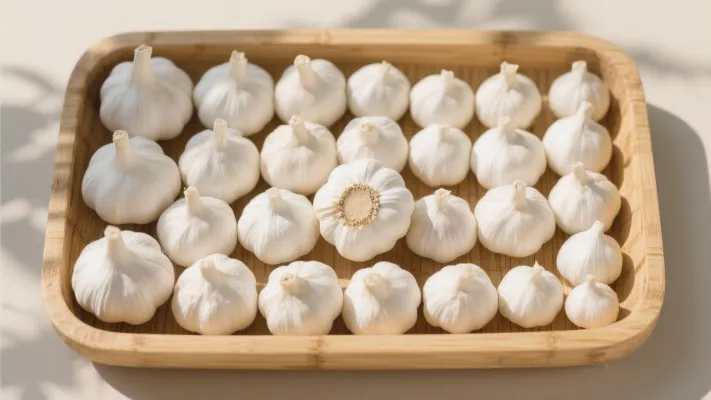
Every year, European importers lose an estimated 7–12% of their garlic during cross-border transport due to poor packaging and handling—especially when moving from Mediterranean farms to German or Dutch warehouses. The root cause? Inadequate airflow, inconsistent stacking, and lack of temperature control. But one solution is gaining traction across the EU: the 10kg mesh bag.
Unlike jute sacks that trap moisture and promote mold growth, our 10kg mesh bags feature a patented breathable structure with over 200 evenly spaced micro-perforations per square meter. This design reduces internal humidity by up to 40% compared to sealed polybags—a critical factor in preventing fungal spoilage during long-haul shipping.
| Packaging Type | Avg. Moisture Retention (%) | Stack Stability (Max Layers) | Carbon Footprint (kg CO₂/kg product) |
|---|---|---|---|
| Jute Sack | 28–35% | 3–4 | 1.8 |
| Standard Polybag | 22–26% | 5–6 | 1.2 |
| 10kg Mesh Bag | 12–15% | 7–8 | 0.9 |
Our logistics partners in Spain and Italy report a 65% reduction in damage claims after adopting this system. Key steps include:
One case study from a Belgian distributor shows how switching to mesh bags cut their post-delivery rejection rate from 9.3% to just 2.1% within three months. They also saved €1,200/month in warehouse labor costs thanks to easier sorting and better space utilization.
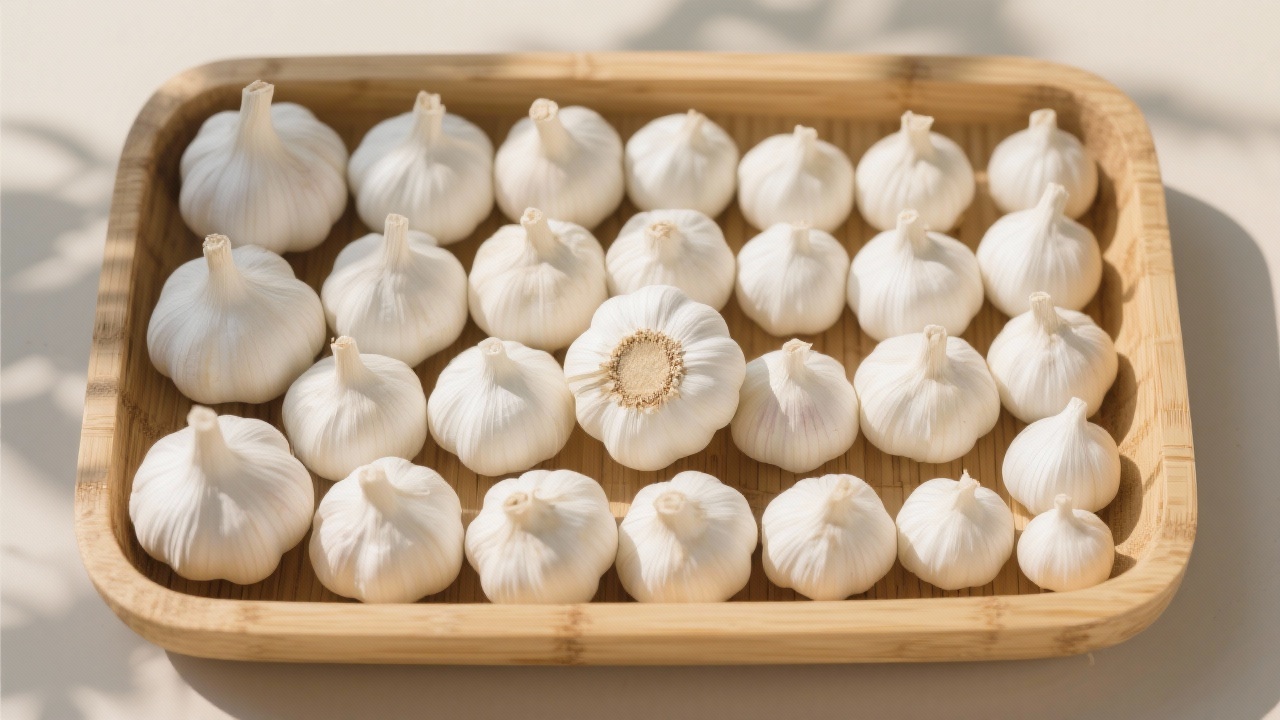
The EU Green Deal demands sustainable supply chains. By choosing reusable mesh bags (which can be cleaned and reused up to 15 times), companies lower waste output and meet ESG benchmarks. One German buyer noted that their carbon emissions per shipment dropped by 30% simply by switching from single-use plastics to mesh solutions.
Want to see how your team can implement these best practices without disrupting operations? Download our free guide: “Cold Chain Packaging Checklist for Fresh Produce Exporters” — it includes real-world templates used by top EU distributors.
 387
|
387
|
 Grade A white garlic quality
sprout-free garlic standard
premium garlic inspection methods
garlic storage technology
international garlic sourcing
Grade A white garlic quality
sprout-free garlic standard
premium garlic inspection methods
garlic storage technology
international garlic sourcing
 237
|
ginger health benefits
functional food ingredients
natural remedies
gingerol effects
curcumin advantages
237
|
ginger health benefits
functional food ingredients
natural remedies
gingerol effects
curcumin advantages
 342
|
garlic cross-border transport loss
10kg mesh bag packaging
agricultural cold chain packaging
food logistics optimization
garlic storage technology
342
|
garlic cross-border transport loss
10kg mesh bag packaging
agricultural cold chain packaging
food logistics optimization
garlic storage technology
 484
|
Mesh bag packaging
Fresh garlic transportation
Agricultural product preservation
Cold chain logistics
Agricultural packaging technology
484
|
Mesh bag packaging
Fresh garlic transportation
Agricultural product preservation
Cold chain logistics
Agricultural packaging technology
 355
|
white garlic storage techniques
10kg mesh bag packaging
garlic freshness preservation
cold chain logistics for garlic
garlic quality assurance
355
|
white garlic storage techniques
10kg mesh bag packaging
garlic freshness preservation
cold chain logistics for garlic
garlic quality assurance

.png?x-oss-process=image/resize,h_600,m_lfit/format,webp)








.png?x-oss-process=image/resize,h_200,m_lfit/format,webp)





 TikTok
 Facebook