
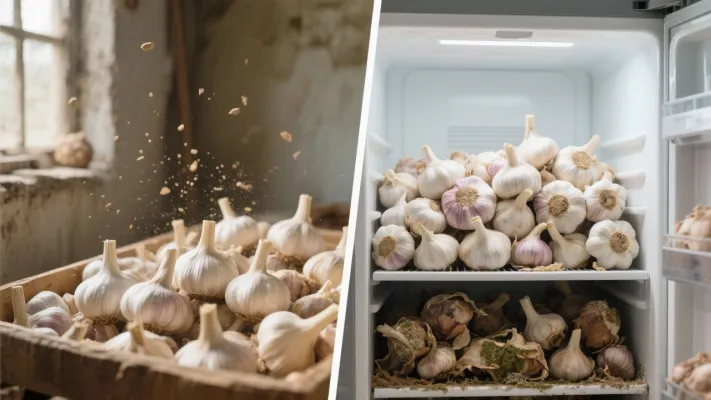
For global garlic importers, verifying the compliance of origin is not merely a regulatory requirement but a critical step in ensuring product quality, safety, and consistency. Chinese garlic, renowned for its exceptional quality and flavor, has established rigorous standards across the entire production chain. This article explores the key international standards and best practices that govern garlic cultivation in China's premium producing regions, providing importers with actionable insights to evaluate supplier compliance.
The journey to compliant garlic begins beneath the surface, with soil quality serving as the cornerstone of production. Leading Chinese garlic regions implement soil testing protocols that exceed international standards, ensuring optimal growing conditions and minimizing heavy metal contamination risks.
Key Soil Parameters Monitored:
Dr. Wei Zhang, soil scientist at the China Agricultural University, explains: "Our research shows that consistent soil testing and amendment programs can improve garlic quality parameters by up to 18%, particularly in terms of allicin content and bulb uniformity."
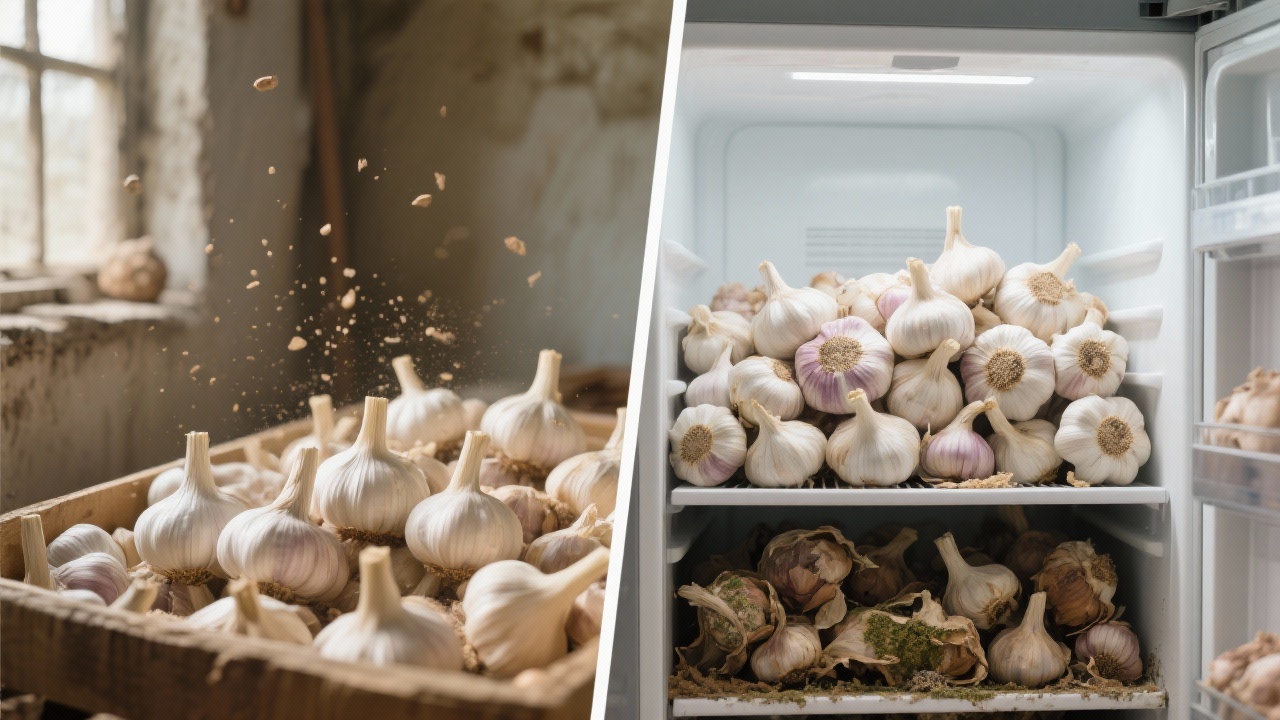
Sustainable garlic production relies heavily on科学的轮作制度(scientific crop rotation systems) that prevent soil depletion and disease buildup. Chinese premium garlic regions have developed sophisticated rotation schedules that set them apart in the global market.
"The traditional three-year rotation cycle has been refined based on soil health monitoring," notes Professor Li Mei from Shandong Agricultural University. "By alternating garlic with legumes and cereals, we've reduced soil-borne diseases by 40% while maintaining soil fertility naturally."
| Year | Crop | Soil Benefits |
|---|---|---|
| Year 1 | Garlic | Primary cash crop, high nutrient demand |
| Year 2 | Legumes (Soybeans/Peas) | Nitrogen fixation, soil structure improvement |
| Year 3 | Cereals (Wheat/Corn) | Root system diversification, pest cycle disruption |
Modern garlic cultivation in China integrates cutting-edge agricultural technologies with traditional knowledge, ensuring both productivity and sustainability. From irrigation to pest management, these techniques set new standards for the industry.
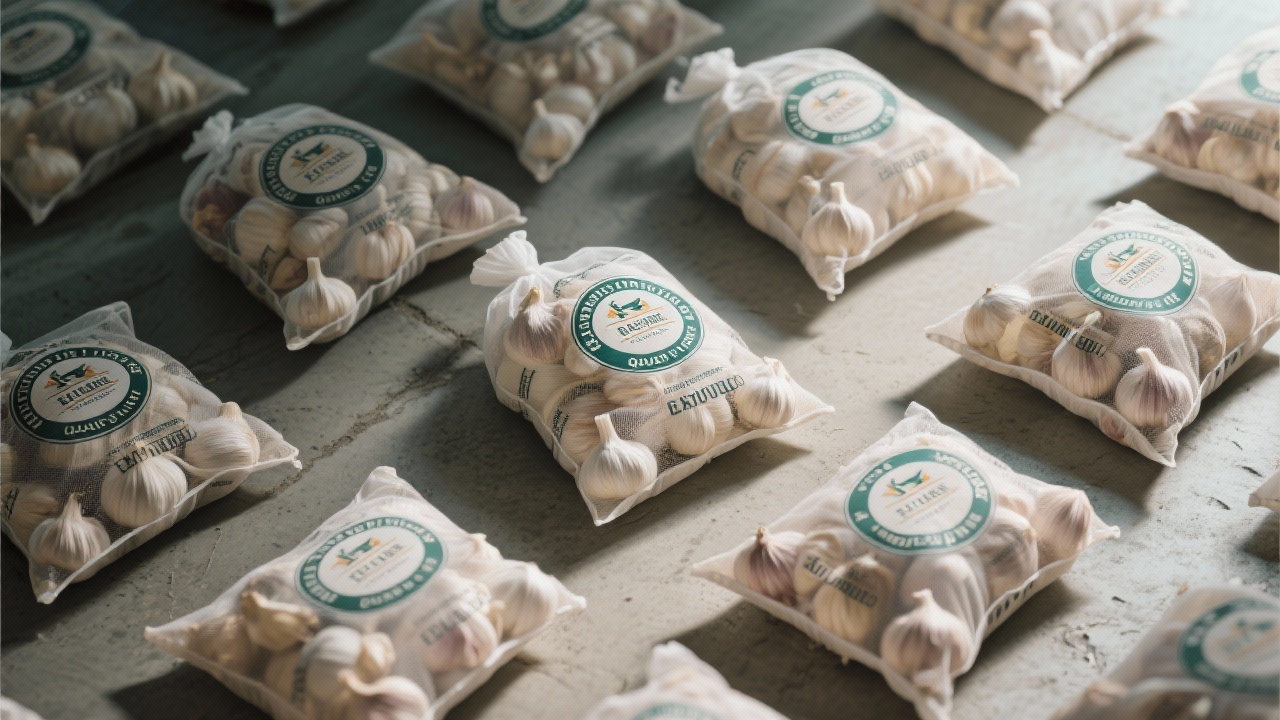
Water management plays a crucial role in garlic quality. Premium产区(producing areas) utilize drip irrigation systems that deliver water directly to the root zone, reducing water usage by 35% compared to traditional methods while maintaining optimal soil moisture levels (70-80% field capacity).
Adopting a proactive approach to pest control, Chinese garlic farmers implement integrated pest management (IPM) systems that prioritize biological controls and minimize chemical usage. This results in residue levels well below EU MRLs (Maximum Residue Levels), with 98.7% of samples passing stringent international tests in 2023.
The shift to mechanized harvesting has revolutionized garlic production efficiency and quality. Modern harvesters equipped with precision controls reduce bulb damage to less than 3%, while GPS technology ensures optimal timing based on plant maturity indicators. This technological advancement has increased harvest efficiency by 400% compared to manual methods.
The journey from harvest to export requires meticulous attention to detail to maintain garlic quality. Chinese exporters have developed sophisticated post-harvest protocols that ensure freshness and extend shelf life.
Critical Post-Harvest Steps:
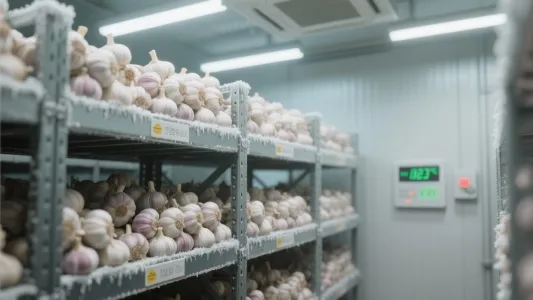
"Our cold chain logistics ensure that garlic maintains its freshness from farm to fork," explains Mr. Chen Guang, logistics director at a major Shandong-based exporter. "Our temperature-controlled containers maintain a consistent 0-1°C environment, resulting in less than 2% weight loss during transport and a shelf life extension of up to 9 months."
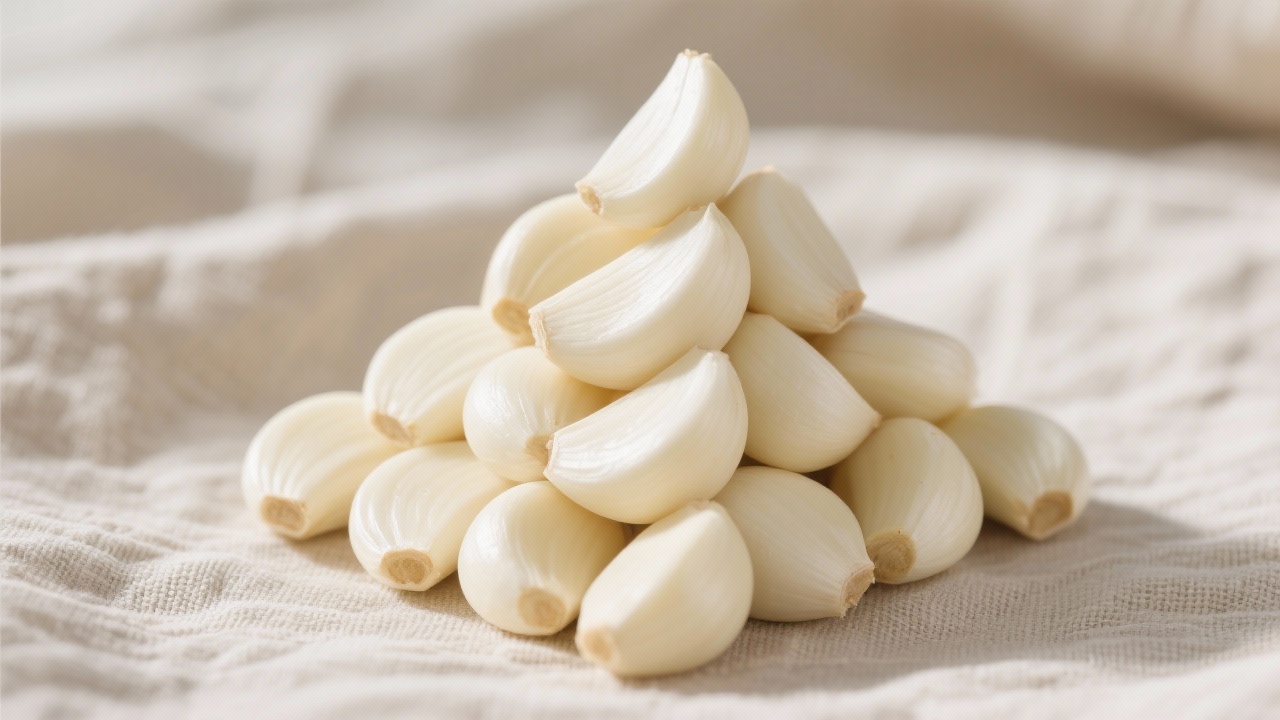
Shandong Province, accounting for approximately 70% of China's garlic exports, serves as a model for origin compliance. The region has implemented a comprehensive quality management system that integrates soil testing, crop rotation, and post-harvest protocols.
In 2023, Shandong garlic achieved a 99.2% compliance rate with EU import standards, up from 96.5% in 2018. This improvement is attributed to the province's investment in agricultural technology and farmer training programs. As a result, Shandong garlic commands a 15-20% price premium in international markets compared to non-certified alternatives.
Gain exclusive access to our comprehensive Garlic Sourcing Guide featuring verified产区(producing regions), compliance checklists, and quality assurance protocols.
Explore Premium Garlic Sourcing InsightsUnderstanding the intricacies of garlic origin compliance empowers importers to make informed decisions and build long-term relationships with reliable suppliers. By prioritizing soil quality, implementing sustainable crop rotation, and maintaining strict post-harvest controls, China's premium garlic产区(producing regions) continue to set global standards for quality and safety in garlic production.

 368
|
368
|
 garlic packaging solutions
mesh bag for agricultural products
cold chain packaging for garlic
garlic export quality control
agricultural supply chain optimization
garlic packaging solutions
mesh bag for agricultural products
cold chain packaging for garlic
garlic export quality control
agricultural supply chain optimization
 253
|
red garlic nutrition
red garlic health benefits
red garlic antioxidant properties
red garlic consumption tips
cardiovascular protection with red garlic
253
|
red garlic nutrition
red garlic health benefits
red garlic antioxidant properties
red garlic consumption tips
cardiovascular protection with red garlic
 416
|
premium fresh ginger
meeting global demand
fresh ginger characteristics
flavoring vegetable
health benefits
year-round supply
416
|
premium fresh ginger
meeting global demand
fresh ginger characteristics
flavoring vegetable
health benefits
year-round supply
 350
|
Grade A white garlic standards
high - quality garlic identification
garlic grading methods
export garlic quality
white garlic procurement guide
350
|
Grade A white garlic standards
high - quality garlic identification
garlic grading methods
export garlic quality
white garlic procurement guide
 387
|
garlic cold storage
garlic shelf life extension
food supply chain management
nutrient retention in garlic
cold chain logistics
387
|
garlic cold storage
garlic shelf life extension
food supply chain management
nutrient retention in garlic
cold chain logistics


.png?x-oss-process=image/resize,h_600,m_lfit/format,webp)







.png?x-oss-process=image/resize,h_200,m_lfit/format,webp)





 TikTok
 Facebook