
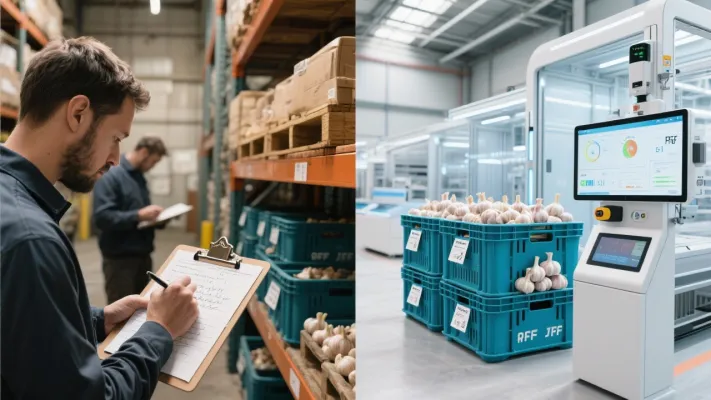
For international buyers seeking consistent, high-quality garlic supplies, understanding origin compliance is paramount. China's leading garlic-producing regions have established rigorous agricultural standards that not only meet but often exceed international requirements. This guide explores the systematic practices that position regions like Shandong and Jinxiang as reliable sources for EU-standard Grade A garlic, providing procurement professionals with actionable insights for supply chain evaluation.
"The difference between compliant and non-compliant garlic production lies in the integration of scientific management across the entire agricultural cycle, from soil preparation to post-harvest handling." — Professor Zhang Wei, Agricultural Science Institute of Shandong
China's premier garlic cultivation areas benefit from distinctive environmental conditions that form the foundation of their product excellence. The Jinxiang region, known as the "Garlic Capital of China," enjoys a temperate monsoon climate with an average annual temperature of 13.5°C and 680mm of precipitation, creating ideal growing conditions.
Soil composition plays a critical role, with the alluvial loam soils of Shandong province offering excellent drainage and nutrient retention—key factors in developing garlic's characteristic flavor profile and bulb density. These natural advantages are further enhanced through meticulous agricultural practices that ensure consistent quality year after year.
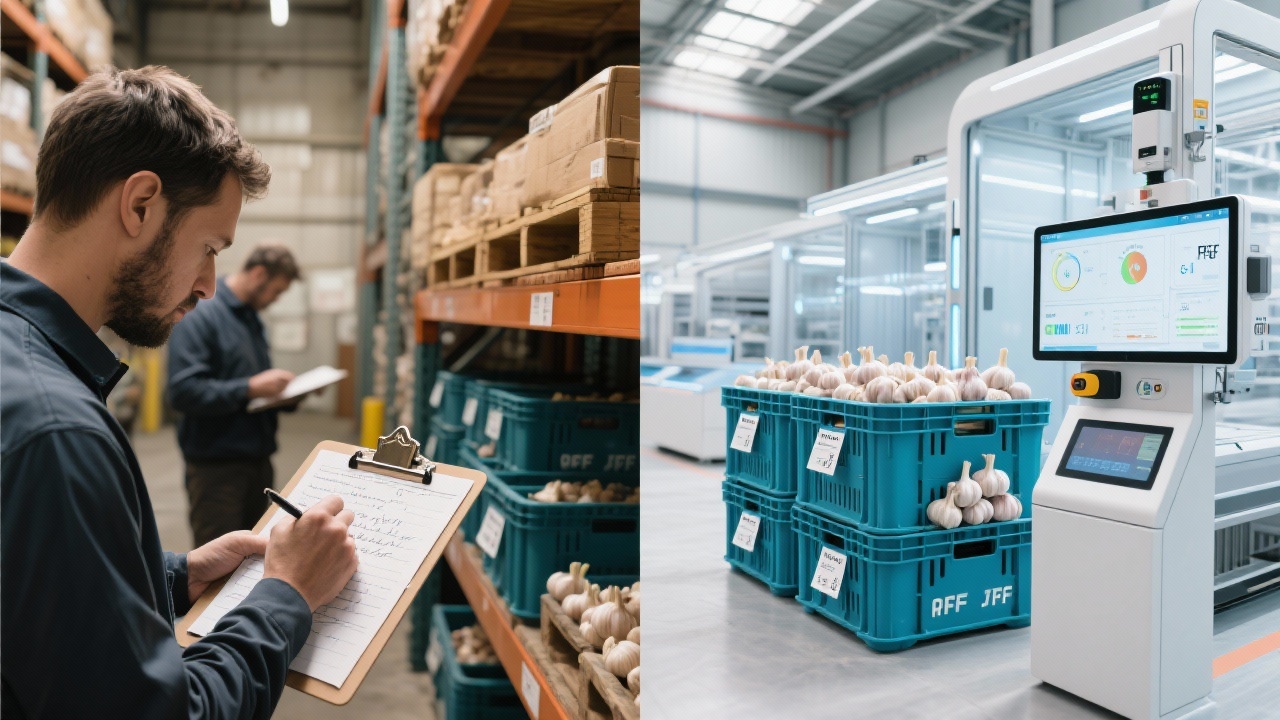
Modern garlic production in China's premium regions employs a sophisticated integrated management system that begins months before planting. Crop rotation is strictly implemented, with a minimum 3-year rotation cycle that prevents soil depletion and disease buildup—a practice that has reduced soil-borne pathogens by up to 72% in monitored fields.
Soil improvement programs incorporate organic matter at an average rate of 25 tons per hectare, while precision soil testing ensures optimal nutrient levels. During the growing season, fields are monitored through digital agricultural systems that track moisture levels, nutrient content, and growth metrics, allowing for precise intervention when needed.
| Cultivation Practice | Implementation Standard | Quality Impact |
|---|---|---|
| Soil Preparation | Deep plowing (30-35cm) with organic amendment | Improved root development and nutrient uptake |
| Irrigation Management | Drip irrigation with soil moisture sensors | 30% water savings with improved bulb consistency |
| Pest Control | IPM system with biological controls as primary method | Residue levels 50-70% below EU maximum limits |
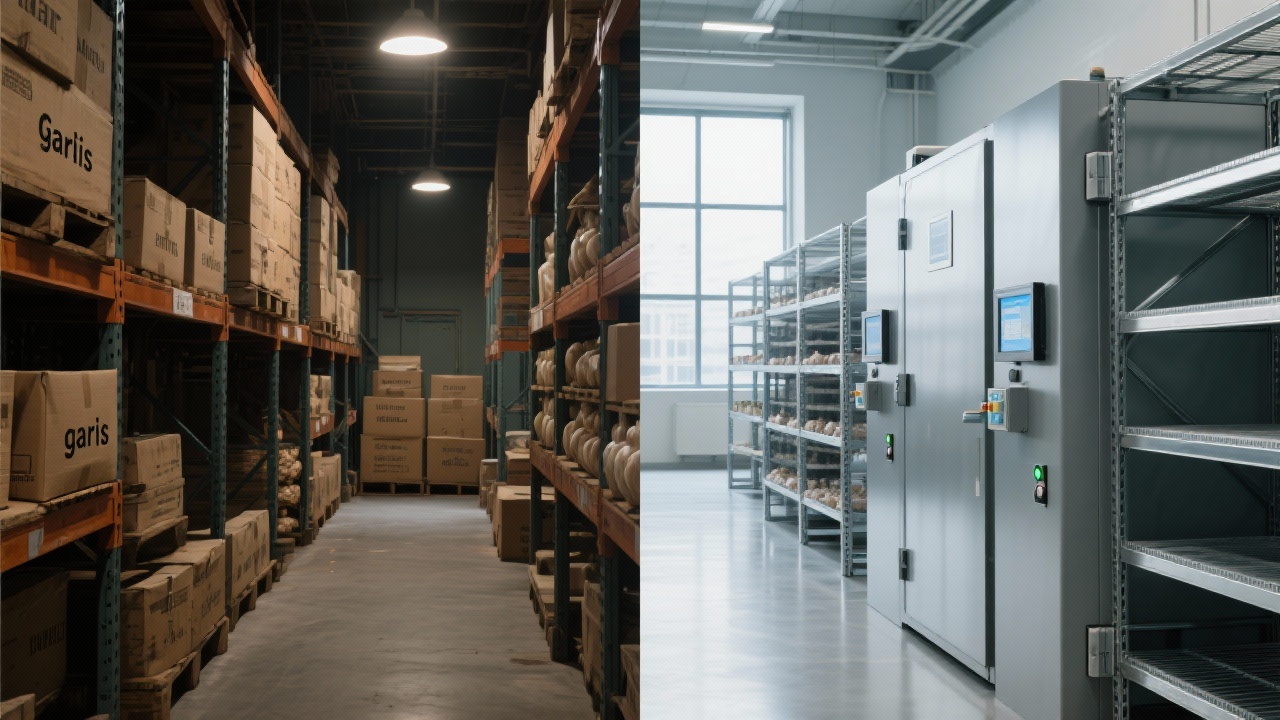
The transition from field to storage represents a critical juncture in maintaining garlic quality. China's leading producers have invested heavily in mechanized harvesting systems that minimize bulb damage and reduce processing time. Upon harvest, garlic undergoes immediate pre-cooling—within 2 hours of extraction—to reduce field heat, a process that has been shown to extend shelf life by up to 40% compared to traditional methods.
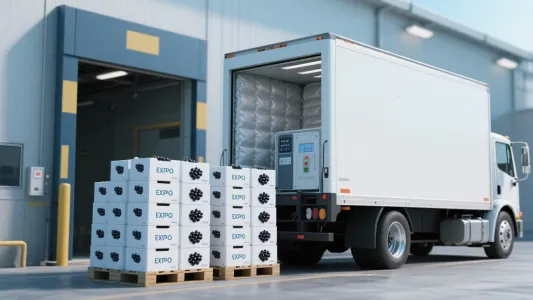
Precooling systems rapidly reduce bulb temperature to 0-2°C while maintaining 65-70% relative humidity, creating optimal conditions for long-term storage. This careful temperature management inhibits sprouting and pathogen growth, ensuring that garlic retains its quality characteristics during transportation to international markets.
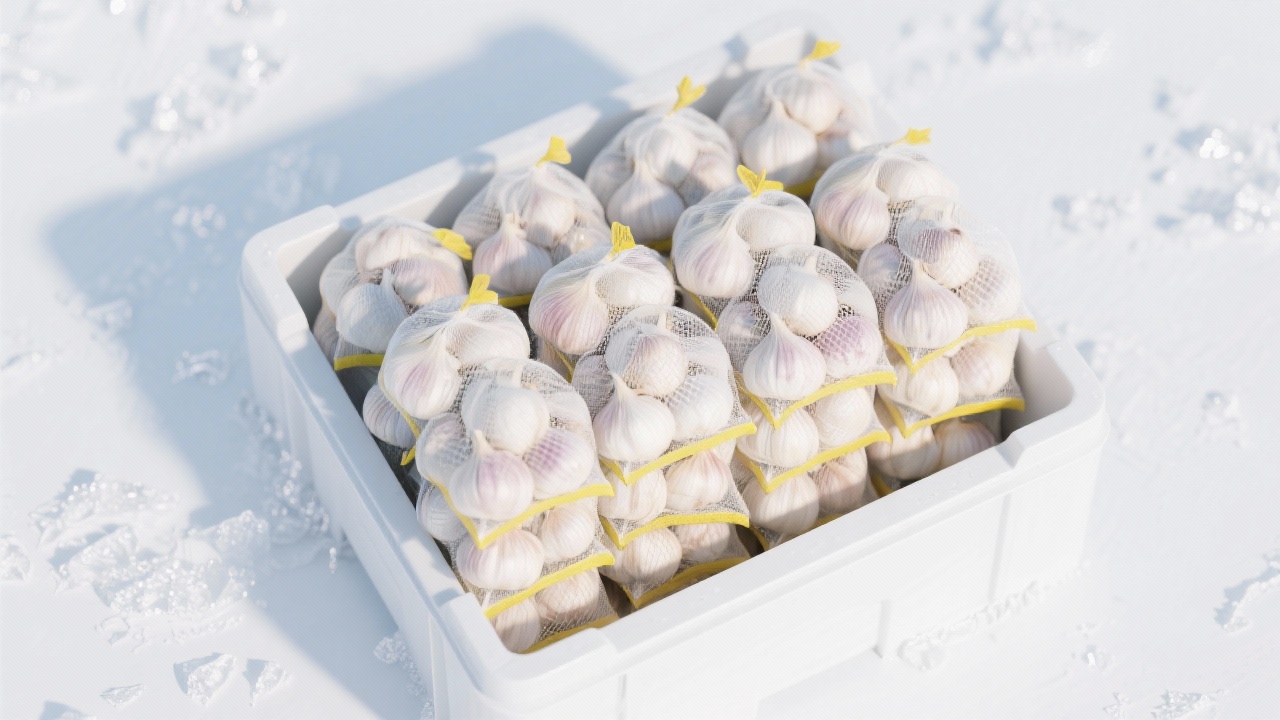
In an era where supply chain transparency is increasingly valued, China's premium garlic producers have implemented comprehensive traceability systems that document every stage of production. Each batch can be tracked from seed selection through to export, with QR code technology providing access to cultivation records, pesticide applications, and quality test results.
Third-party certification has become standard practice, with major producers regularly undergoing audits for GlobalGAP, BRC, and ISO 22000 certifications. These verification processes ensure that production practices meet international standards for food safety and environmental responsibility, providing buyers with the documentation needed for regulatory compliance in their home markets.
Leading Chinese garlic producers are increasingly embracing sustainable agricultural practices that balance productivity with environmental stewardship. Water conservation measures have reduced consumption by an average of 28% over the past decade, while integrated pest management systems have decreased chemical usage by 40% in certified production areas.
These sustainability efforts not only reduce environmental impact but also enhance product quality and consistency. By focusing on soil health, water management, and biodiversity preservation, producers are ensuring the long-term viability of garlic cultivation in these premium regions.
Connect with verified Chinese garlic producers who meet international standards for quality and sustainability.
Explore Verified Garlic SuppliersUnderstanding the intricate systems behind garlic production in China's premium regions provides international buyers with the knowledge needed to make informed procurement decisions. By focusing on cultivation practices, post-harvest handling, and traceability systems, buyers can establish reliable supply chains that consistently deliver high-quality garlic meeting global standards.
As the global demand for transparently produced agricultural products continues to grow, the practices outlined here represent not just compliance measures but a commitment to excellence that benefits producers, buyers, and consumers alike. For those looking to establish long-term partnerships with garlic suppliers, these standards serve as a valuable framework for evaluation and collaboration.
 112
|
112
|
 Grade A white garlic
white garlic quality standards
white garlic inspection methods
garlic grading criteria
white garlic procurement tips
Grade A white garlic
white garlic quality standards
white garlic inspection methods
garlic grading criteria
white garlic procurement tips
 351
|
pure white garlic
red garlic anthocyanins
purple garlic aroma
large white garlic flavor
garlic export standards
351
|
pure white garlic
red garlic anthocyanins
purple garlic aroma
large white garlic flavor
garlic export standards
 64
|
European garlic varieties
garlic storage solutions
garlic processing applications
garlic supply chain management
garlic flavor profiles
64
|
European garlic varieties
garlic storage solutions
garlic processing applications
garlic supply chain management
garlic flavor profiles
 496
|
Grade A white garlic
garlic quality standards
export garlic sourcing
premium garlic identification
garlic procurement guide
496
|
Grade A white garlic
garlic quality standards
export garlic sourcing
premium garlic identification
garlic procurement guide
 464
|
Ginger health benefits
Functional foods
Natural remedies
Gingerol and curcumin
High - quality ginger
464
|
Ginger health benefits
Functional foods
Natural remedies
Gingerol and curcumin
High - quality ginger


.png?x-oss-process=image/resize,h_600,m_lfit/format,webp)






.png?x-oss-process=image/resize,h_200,m_lfit/format,webp)





 TikTok
 Facebook