
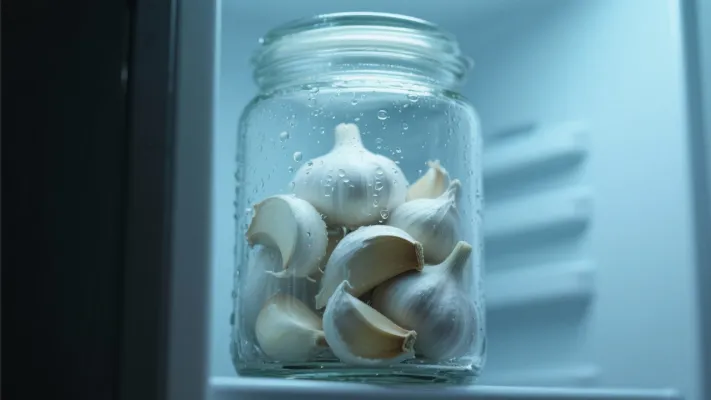
In the competitive foodservice market of the Middle East—where bold flavors and natural ingredients dominate—consistent garlic quality isn’t just a preference—it’s a business imperative. According to a 2023 survey by Foodservice Middle East Magazine, over 78% of chefs in Dubai, Riyadh, and Abu Dhabi rank ingredient consistency as their top concern when sourcing garlic from international suppliers.
Not all garlic is created equal. In the region, chefs often use four distinct types: pure white, large white, red, and purple garlic—each with unique flavor profiles that affect dishes differently:
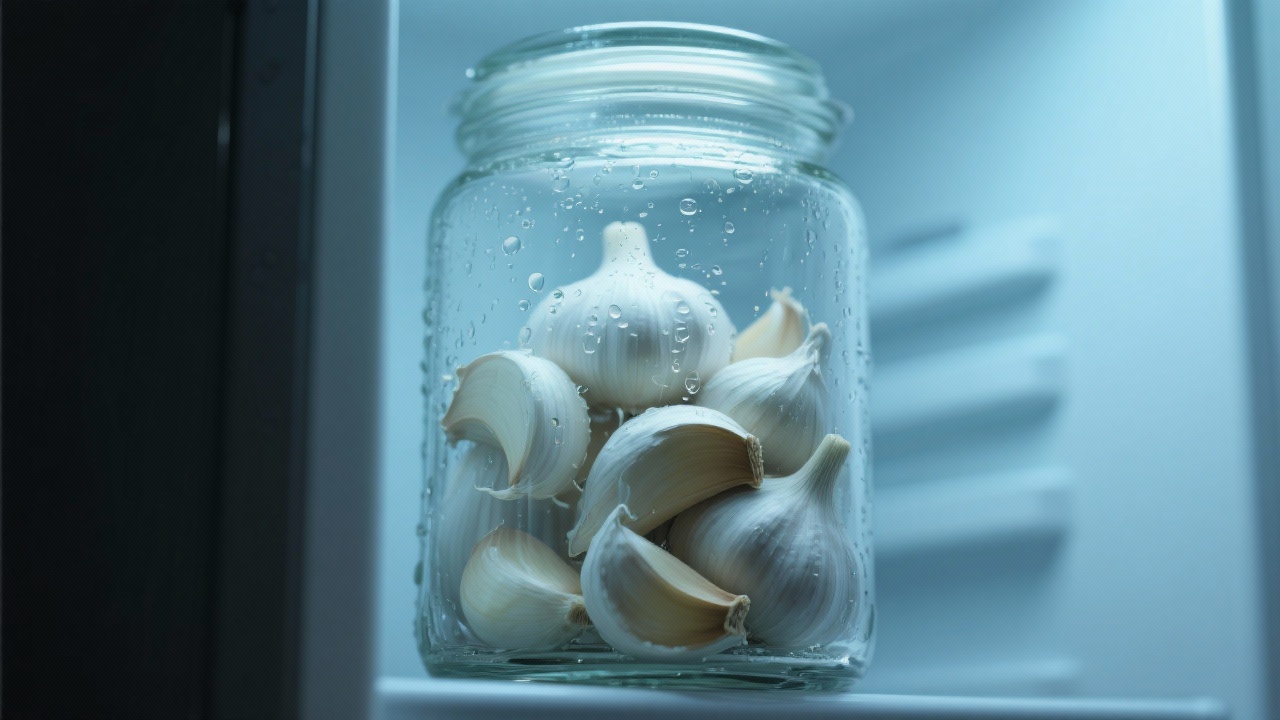
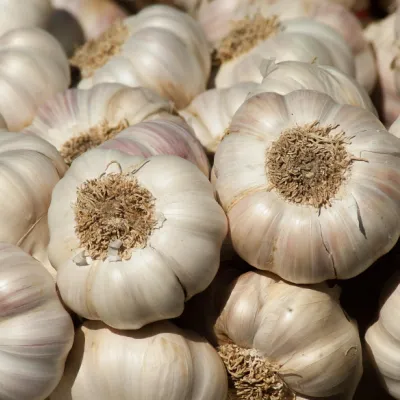
Based on over 12 years of exporting to the GCC, here are the most reliable indicators of high-quality garlic that align with local culinary expectations:
“We now require third-party lab reports for every container. It’s not about distrust—it’s about building trust at scale.” — Chef Ahmed Al-Mansoori, Executive Chef, Al Fanar Restaurant Group, UAE
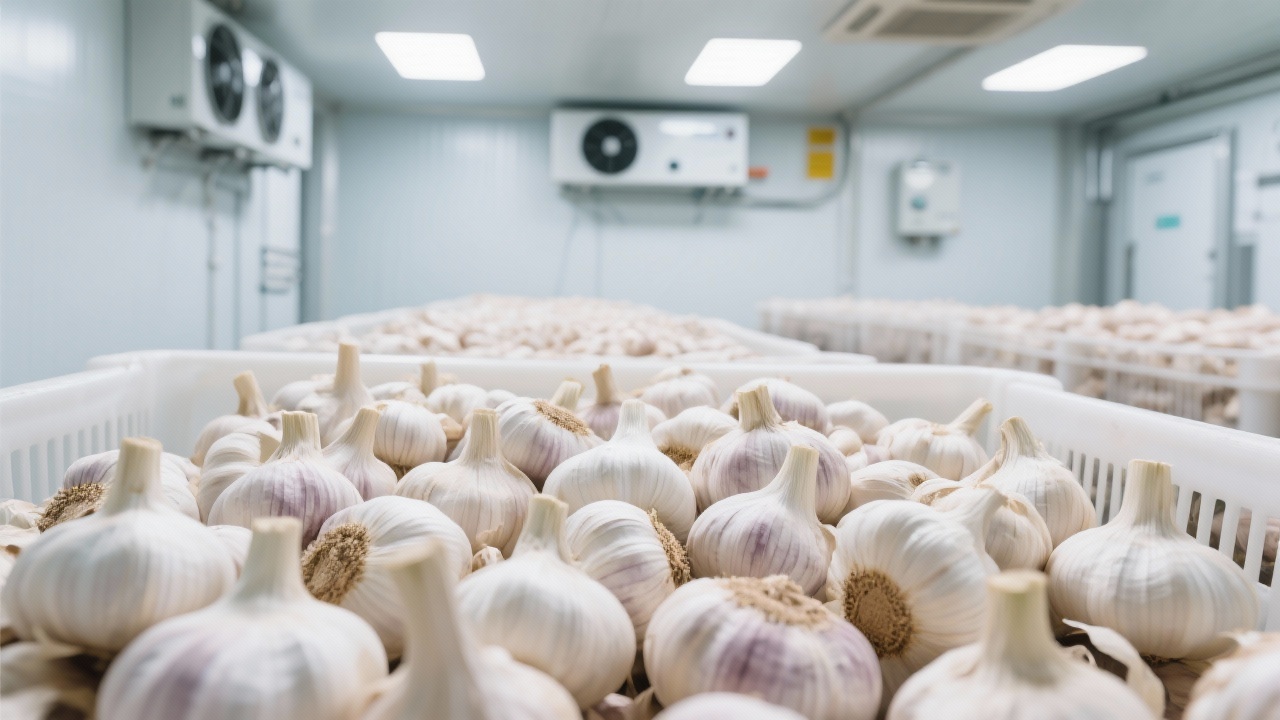
Consistency doesn’t happen by accident—it’s built into your supply chain. Here’s how leading exporters do it:
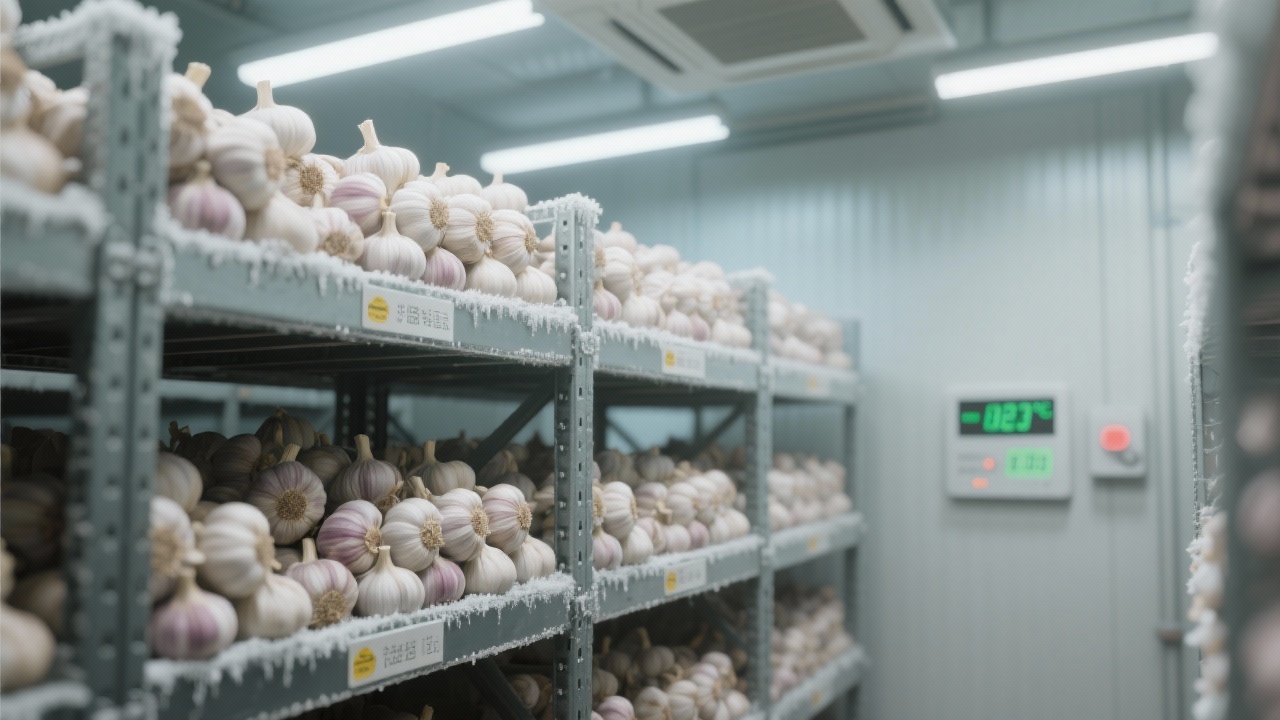
When you treat garlic like a precision ingredient—not just a commodity—you unlock repeat orders, stronger relationships, and long-term brand equity in one of the world’s fastest-growing food markets.
Download our free “Export-Ready Garlic Inspection Checklist” PDF guide—packed with real-world tips from successful exporters to the Middle East.
Get Your Free Guide Now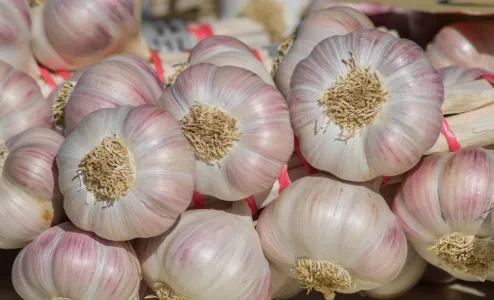
 105
|
105
|
 ["fresh ginger health benefits"
"gingerol and shogaol"
"immune system support"
"functional food ingredients"
"global ginger export trends"]
["fresh ginger health benefits"
"gingerol and shogaol"
"immune system support"
"functional food ingredients"
"global ginger export trends"]
 77
|
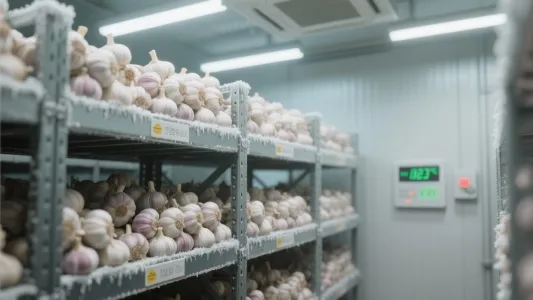
Grade A garlic
Application of garlic in Middle Eastern cuisine
Garlic selection techniques
Garlic flavor release
Garlic acceptance standards
77
|
Grade A garlic
Application of garlic in Middle Eastern cuisine
Garlic selection techniques
Garlic flavor release
Garlic acceptance standards
.jpg?x-oss-process=image/resize,h_300,m_lfit/format,webp) 119
|
Mesh bag packaging
Agricultural product freshness transportation
Garlic export packaging
Cold chain logistics cooperation
Agricultural supply chain optimization
119
|
Mesh bag packaging
Agricultural product freshness transportation
Garlic export packaging
Cold chain logistics cooperation
Agricultural supply chain optimization
 448
|
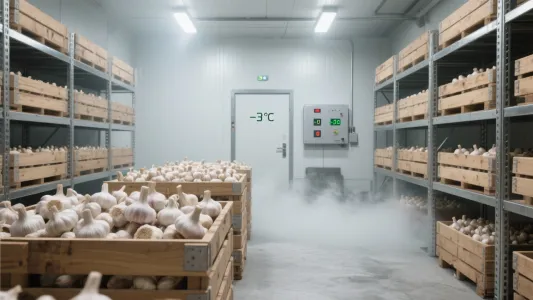
Garlic preservation
Cold storage temperature control
Food freshness
Cold - chain warehousing management
Garlic storage techniques
448
|
Garlic preservation
Cold storage temperature control
Food freshness
Cold - chain warehousing management
Garlic storage techniques
 489
|
10kg mesh bag packaging
garlic cold chain transport
cross-border agricultural logistics
food packaging optimization
sustainable logistics solutions
489
|
10kg mesh bag packaging
garlic cold chain transport
cross-border agricultural logistics
food packaging optimization
sustainable logistics solutions




.png?x-oss-process=image/resize,h_600,m_lfit/format,webp)





.png?x-oss-process=image/resize,h_200,m_lfit/format,webp)





 TikTok
 Facebook