
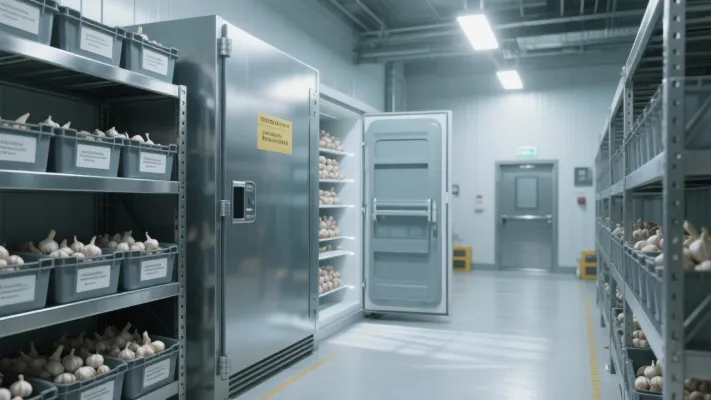
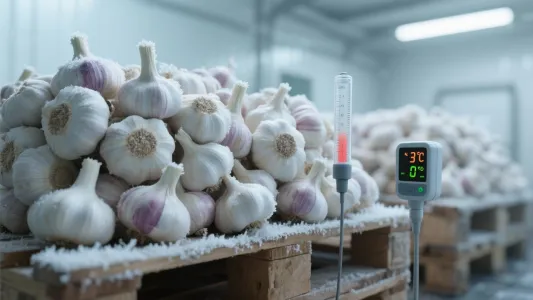
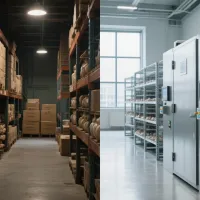
Maintaining the freshness of garlic during storage is pivotal for supply stability and quality assurance in the foodservice industry, especially in the Middle East where food freshness standards are exceptionally high. Utilizing precise cold storage temperature control between -3°C to 0°C has proven to significantly extend garlic’s shelf life by inhibiting its respiration rate, delaying sprouting, and preventing decay.
Garlic bulbs are living organs that continue metabolic activities post-harvest, primarily respiration and moisture exchange. These activities accelerate deterioration if not properly managed. Storage within -3°C to 0°C maximally suppresses enzymatic activity, reducing respiration rates by approximately 30-50% compared to ambient room temperature storage (around 20°C). This temperature window also delays sprouting by slowing down hormone synthesis associated with bud growth, effectively extending marketable life for up to 6-8 months under controlled conditions.
Temperature control alone isn’t sufficient for optimal garlic freshness. Relative humidity (RH) must be maintained between 65% and 75% to prevent dehydration without encouraging mold growth. Overly dry environments cause premature shriveling, while excessive moisture fosters fungal pathogens.
Efficient ventilation is essential to keep ethylene gas and CO2 concentrations low, which otherwise accelerate ripening and decay. Implementing forced air circulation with uniform airflow distribution ensures consistent temperature and humidity throughout the cold storage chamber.
Moreover, stratified stacking using breathable crates and layered arrangements allows air to circulate freely between garlic bulbs, minimizing hotspots and moisture accumulation. These structural decisions help reduce spoilage by up to 25% in large-scale storage environments.
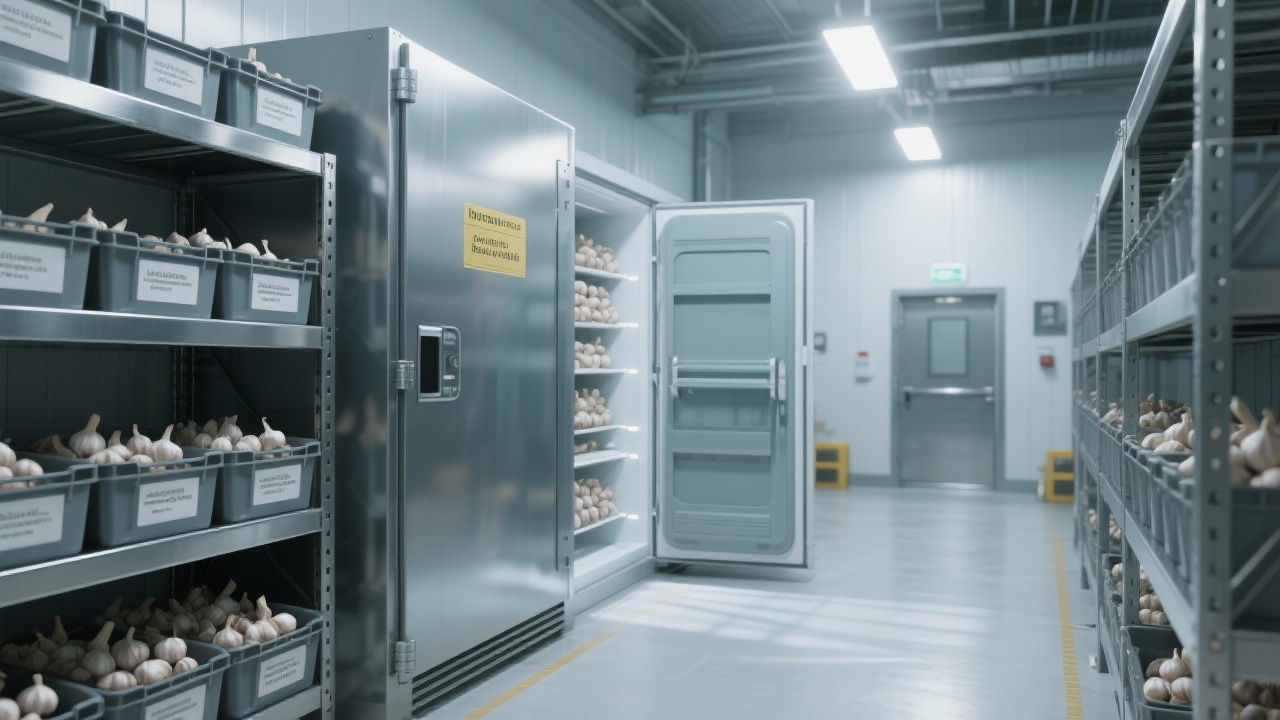
Modern agricultural engineering provides automated climate control and sensor networks that optimize storage microclimates in real-time. Technologies such as IoT-enabled humidity and temperature sensors paired with AI algorithms deliver predictive analytics to anticipate spoilage risk and adjust parameters proactively.
Meanwhile, food science research supports the evidence that cold chain integrity, from harvest through distribution, is critical. Case studies from leading cold storage facilities in the UAE demonstrate a consistent reduction in product loss by roughly 20% annually when these combined approaches are implemented.
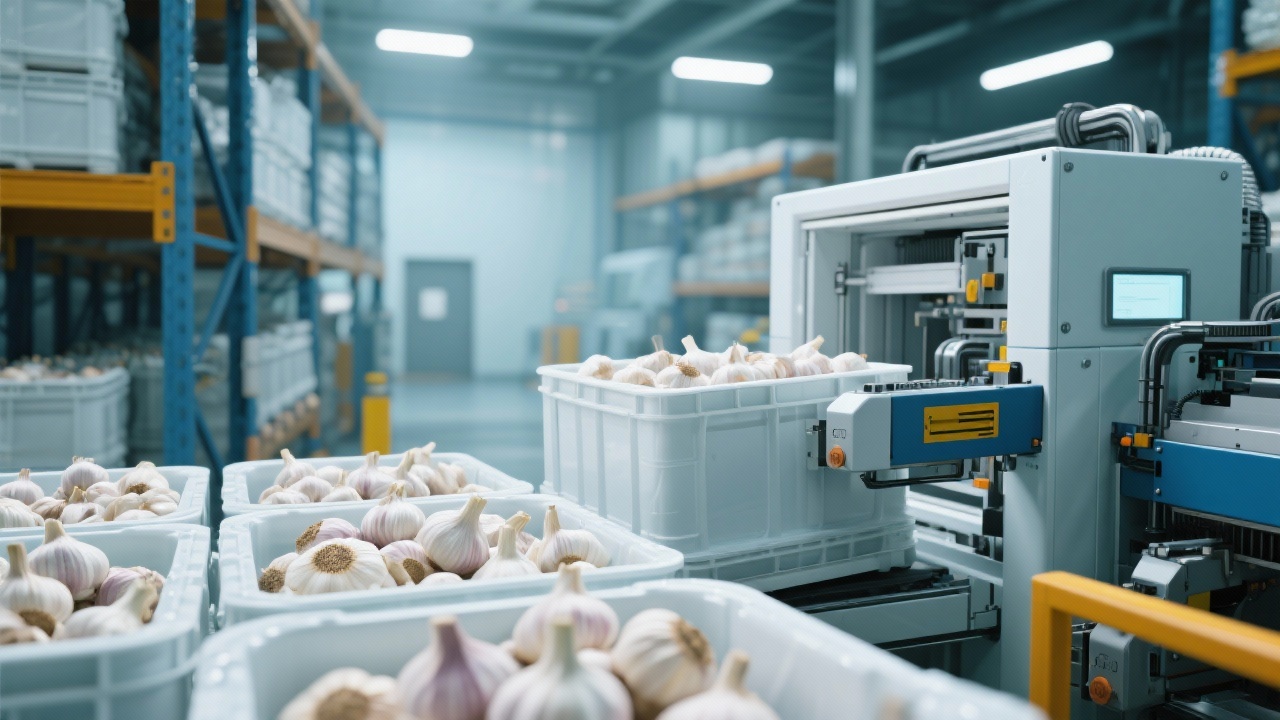
For procurement managers and technical operators in the foodservice sector, effective cold chain management encompasses several stages:
Implementing these operational protocols can reduce waste-related costs substantially, improving the margin and consistency of supply for restaurants and distributors.
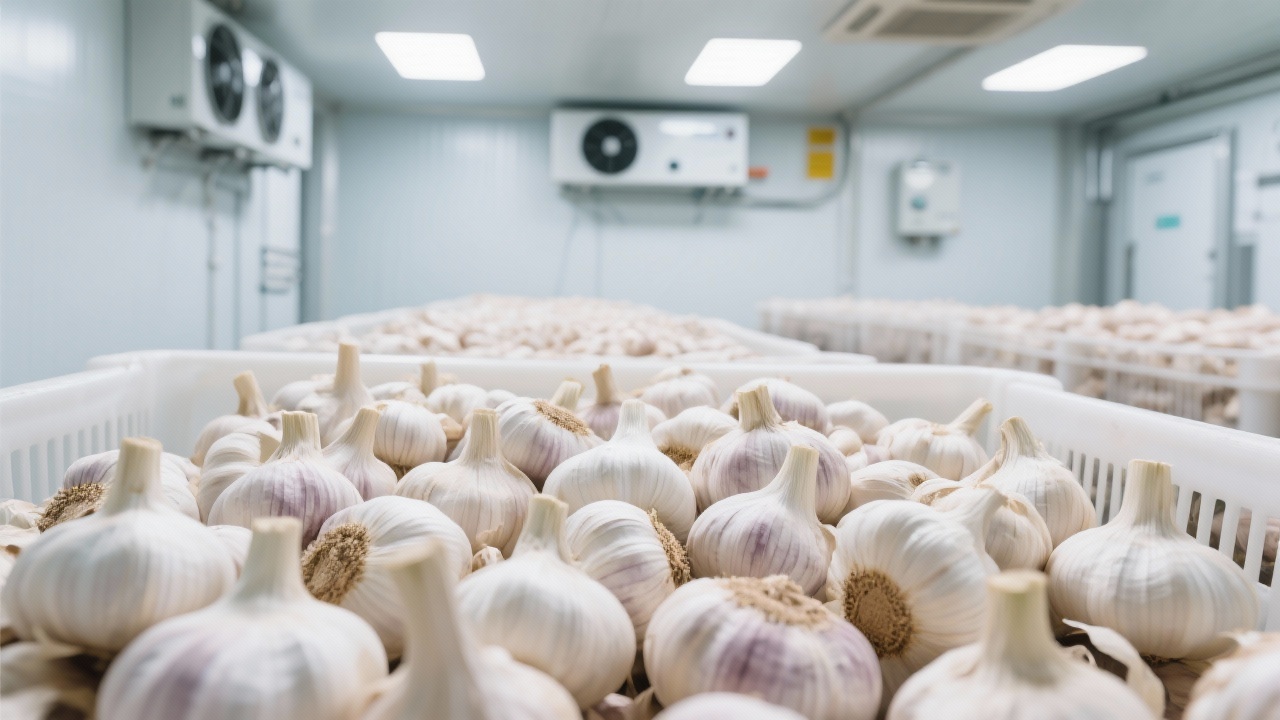
 164
|
164
|
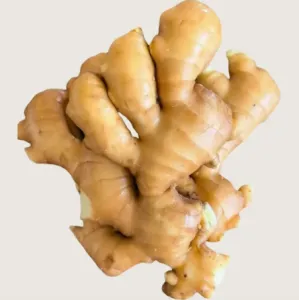
 ["ginger health benefits"
"functional food ingredients"
"natural remedies for colds"
"gingerol properties"
"healthy ginger recipes"]
["ginger health benefits"
"functional food ingredients"
"natural remedies for colds"
"gingerol properties"
"healthy ginger recipes"]
 450
|
Grade A garlic
Middle Eastern cuisine garlic application
Garlic selection criteria
Heavy - flavored cooking garlic
Restaurant raw material acceptance process
450
|
Grade A garlic
Middle Eastern cuisine garlic application
Garlic selection criteria
Heavy - flavored cooking garlic
Restaurant raw material acceptance process
 303
|
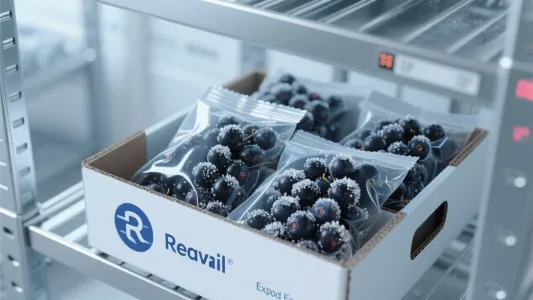
Garlic cold chain preservation
Agricultural product refrigeration technology
Cold chain logistics management
Global agricultural product supply chain
Shelf life extension technology
303
|
Garlic cold chain preservation
Agricultural product refrigeration technology
Cold chain logistics management
Global agricultural product supply chain
Shelf life extension technology
 223
|
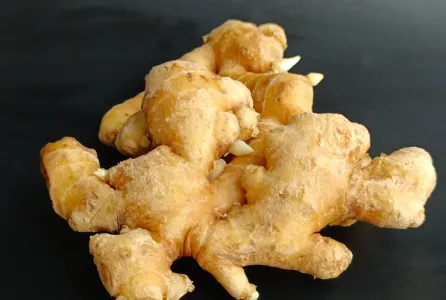
["pesticide-free ginger"
"fresh ginger health benefits"
"gingerol and shogaol"
"high-quality ginger supply"
"customized ginger solutions"]
223
|
["pesticide-free ginger"
"fresh ginger health benefits"
"gingerol and shogaol"
"high-quality ginger supply"
"customized ginger solutions"]
 430
|
A-grade white garlic grading
premium garlic identification tips
white garlic quality inspection methods
garlic procurement guide
garlic bulb quality assessment
430
|
A-grade white garlic grading
premium garlic identification tips
white garlic quality inspection methods
garlic procurement guide
garlic bulb quality assessment


.png?x-oss-process=image/resize,h_600,m_lfit/format,webp)





.png?x-oss-process=image/resize,h_200,m_lfit/format,webp)





 TikTok
 Facebook