
Garlic, a cornerstone ingredient in food processing, transcends its traditional role as a mere seasoning. It functions as a powerful differentiator, elevating the sensory profile and perceived quality across diverse food categories such as ready-to-eat meals, sauces, and frozen products. Understanding the delicate chemistry behind garlic's flavor development during processing techniques — particularly low-temperature slow cooking versus high-temperature sautéing — offers food technologists and supply chain experts actionable strategies to optimize product appeal and shelf-life.
In low-temperature slow cooking, typically ranging from 60°C to 90°C, the release of garlic’s aroma compounds unfolds gradually. This temperature window preserves key sulfur-containing molecules such as allicin and diallyl disulfide, which underpin the characteristic fresh and mild garlic scent. Controlled slow heating minimizes volatile losses, avoiding the premature evaporation of subtle flavor layers that contribute to a rounded taste experience.
Recent studies indicate that maintaining temperatures below 95°C can retain up to 85% of the original flavor compounds after 60 minutes of cooking, as opposed to harsher treatments where losses exceed 50%. The implications for ready meals and sauces are critical: flavor consistency and depth can be engineered by fine-tuning slow cooking parameters.
Contrastingly, high-temperature sautéing (above 150°C) accelerates Maillard reactions and caramelization, intensifying roasted garlic flavors but also risking the development of bitter or burnt notes due to sulfur compound degradation. Key to successful high-heat processing is the precise control of cooking duration and temperature peaks.
Stabilizing sulfur volatiles involves short, controlled exposure — typically no more than 3-5 minutes at peak temperatures — coupled with rapid temperature drop techniques to prevent off-flavors. Technical data shows that treatment beyond 6 minutes at 180°C can decrease organosulfur content by up to 40%, affecting overall aroma retention negatively.
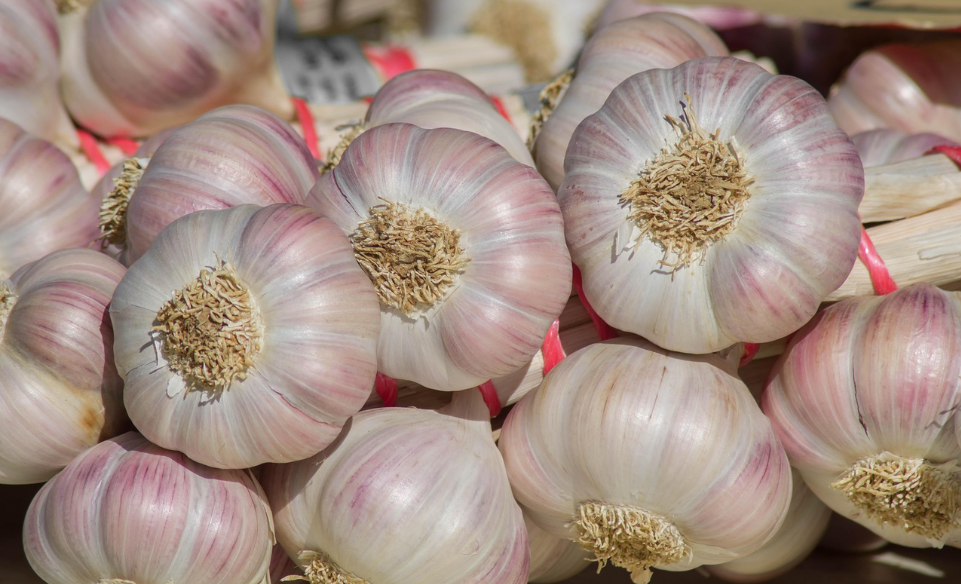
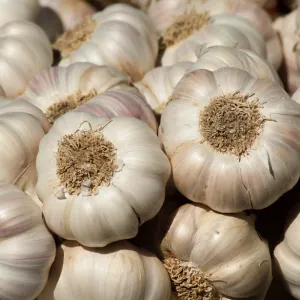
The choice of garlic cultivar plays a defining role in processed product attributes. Red garlic, rich in natural pigments, acts as a natural coloring agent boosting the visual appeal of sauces and ready meals. Meanwhile, purple garlic, with its elevated levels of antioxidant compounds such as anthocyanins, extends shelf-life by mitigating oxidative degradation.
Utilization of these varieties enables product developers to tailor sensory and functional qualities. For example, integrating red garlic in simmered dishes enhances hue vibrancy by up to 20%, while purple garlic inclusion in frozen precooked items can prolong freshness indicators by 15-25% during refrigerated storage.
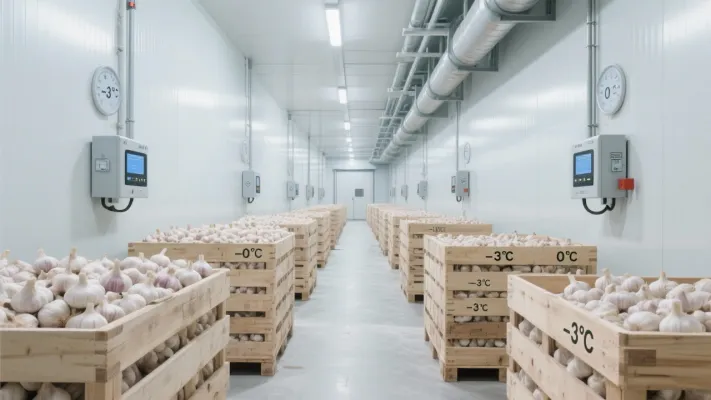
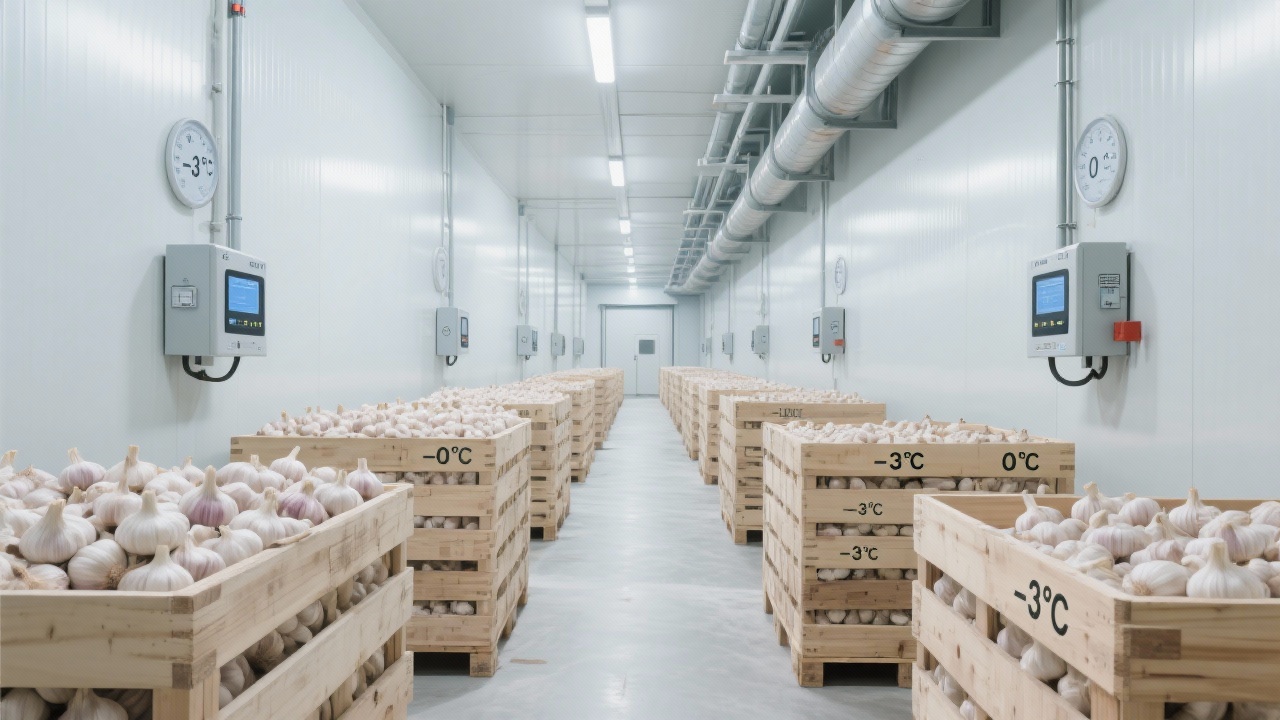
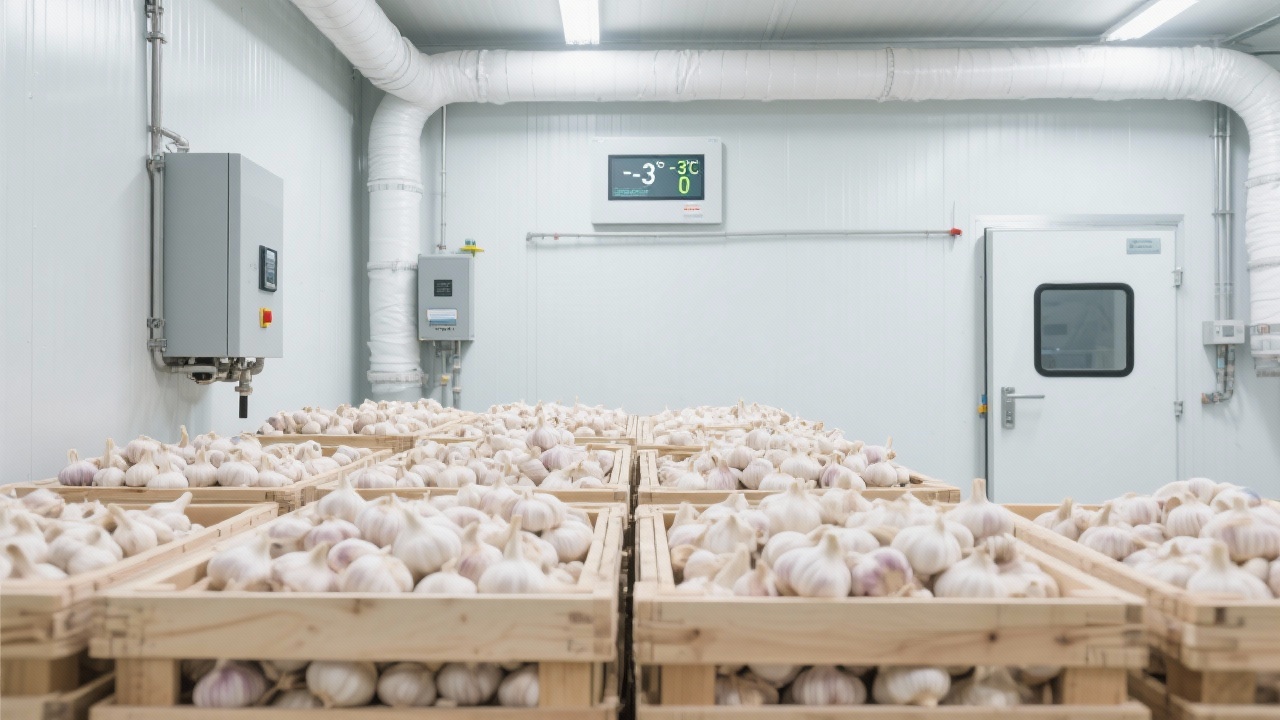
Case studies exemplify how Yishangqiao’s Grade A fresh garlic supports food manufacturers in refining texture, flavor complexity, and product stability. The supply chain synergy — featuring stringent cold chain management from harvest to processing — guarantees garlic batches arrive with optimal moisture content and active compound integrity.
This direct impact can be quantified: manufacturers using Yishangqiao garlic report a 30% reduction in flavor variability and a 12% increase in finished product sensory scores across multiple production cycles.
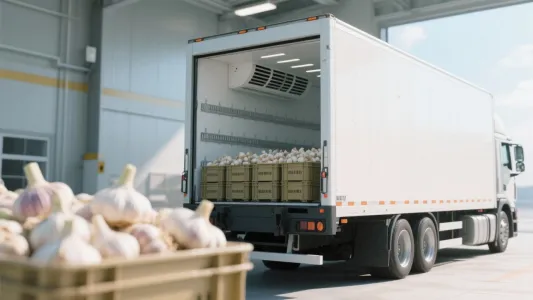
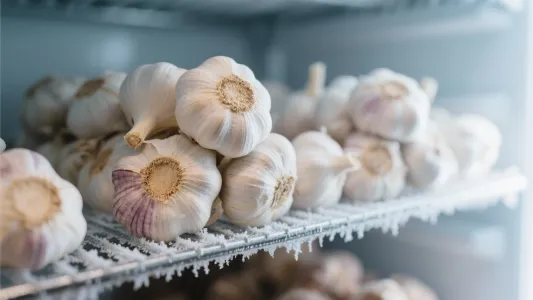
Additionally, strict temperature monitoring throughout transport — keeping garlic at 0-4°C — reduces enzymatic deterioration, supporting consistent performance across diverse food matrices.
For R&D experts and supply chain managers, marrying scientific insights with supplier capabilities from Yishangqiao facilitates a competitive edge. Leveraging advanced garlic processing protocols translates into enhanced flavor control, brand differentiation, and extended shelf-life—crucial in today’s fast-evolving ready meal sector.
 192
|
192
|
 garlic storage methods
restaurant cold storage
food ingredient preservation
standardized food handling
temperature-controlled garlic storage
garlic storage methods
restaurant cold storage
food ingredient preservation
standardized food handling
temperature-controlled garlic storage
 169
|
fresh garlic storage methods
export garlic preservation techniques
home garlic storage tips
commercial garlic storage solutions
garlic quality inspection standards
169
|
fresh garlic storage methods
export garlic preservation techniques
home garlic storage tips
commercial garlic storage solutions
garlic quality inspection standards
 381
|
garlic selection tips
garlic storage methods
fresh garlic preservation
mesh bag packaging benefits
cold storage for garlic
381
|
garlic selection tips
garlic storage methods
fresh garlic preservation
mesh bag packaging benefits
cold storage for garlic
 291
|
fresh garlic quality judgment
foreign trade garlic procurement mistakes
garlic storage methods
agricultural product quality identification
cold - storage preservation technology
291
|
fresh garlic quality judgment
foreign trade garlic procurement mistakes
garlic storage methods
agricultural product quality identification
cold - storage preservation technology
 129
|
export garlic preservation
professional cold storage
garlic refrigeration temperature
garlic packaging methods
food supply chain management
129
|
export garlic preservation
professional cold storage
garlic refrigeration temperature
garlic packaging methods
food supply chain management


.png?x-oss-process=image/resize,h_600,m_lfit/format,webp)







.png?x-oss-process=image/resize,h_200,m_lfit/format,webp)





 TikTok
 Facebook