
Published on: [Current Date] | Category: Global Trade Logistics | Reading Time: 8 minutes
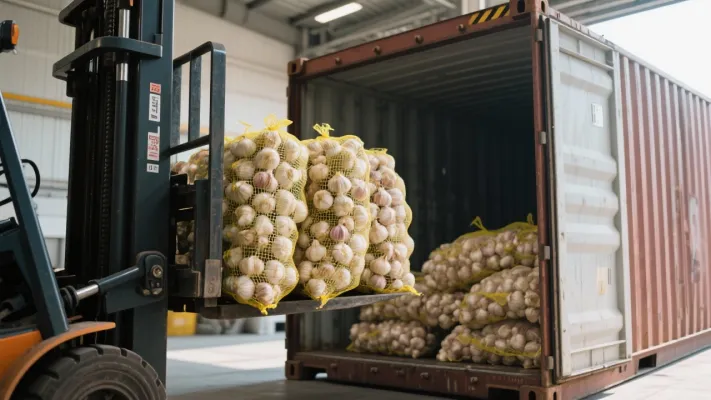
Each year, over 5 million metric tons of garlic are traded globally, with China contributing approximately 80% of the world's total exports. For buyers and logistics managers sourcing from major production regions like Shandong Province or India's Punjab, maintaining garlic quality during international transport remains a critical challenge. Studies show that improper cold chain management can result in mold-related losses ranging from 12% to 25% of cargo value – a risk that can be significantly mitigated with the right technical approach.
Industry Insight:
According to FAO statistics, temperature fluctuations greater than 3°C during transit increase mold development in garlic by 300%. The IFPA's Global Food Safety Initiative further confirms that maintaining consistent relative humidity is equally critical for preserving bulb integrity.
Successful garlic export requires addressing three primary challenges that can compromise product quality and market value:
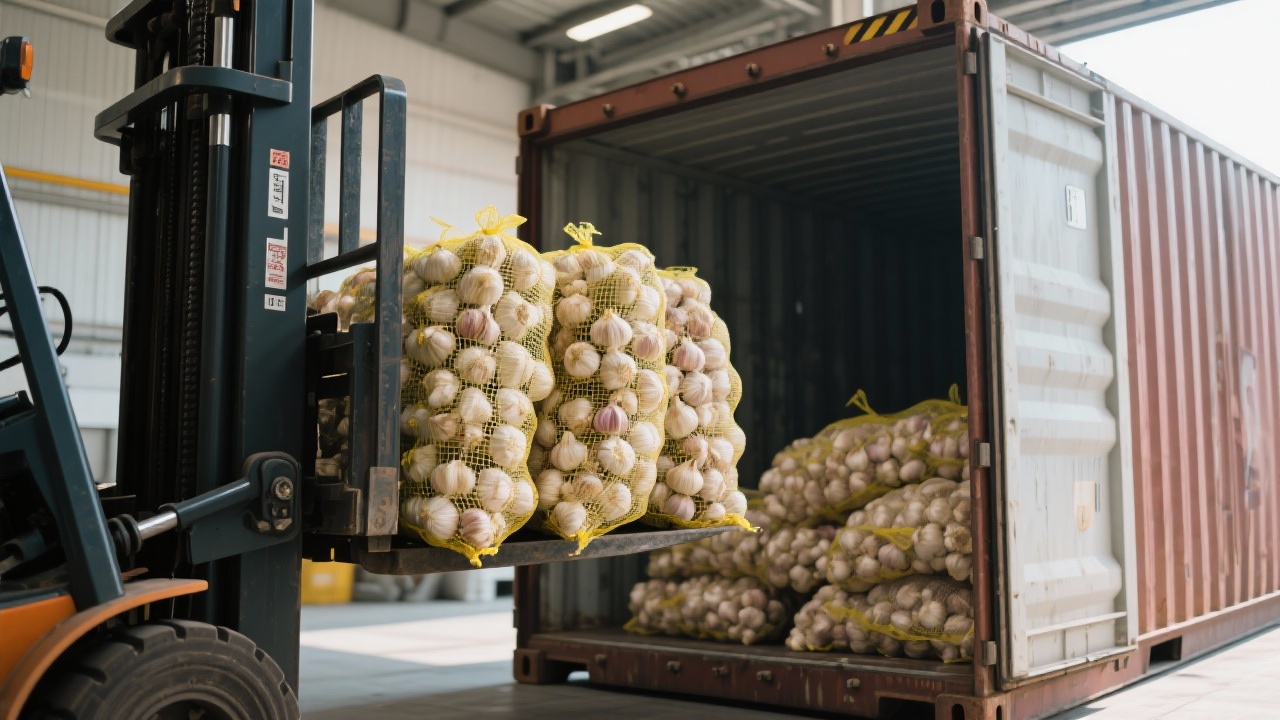
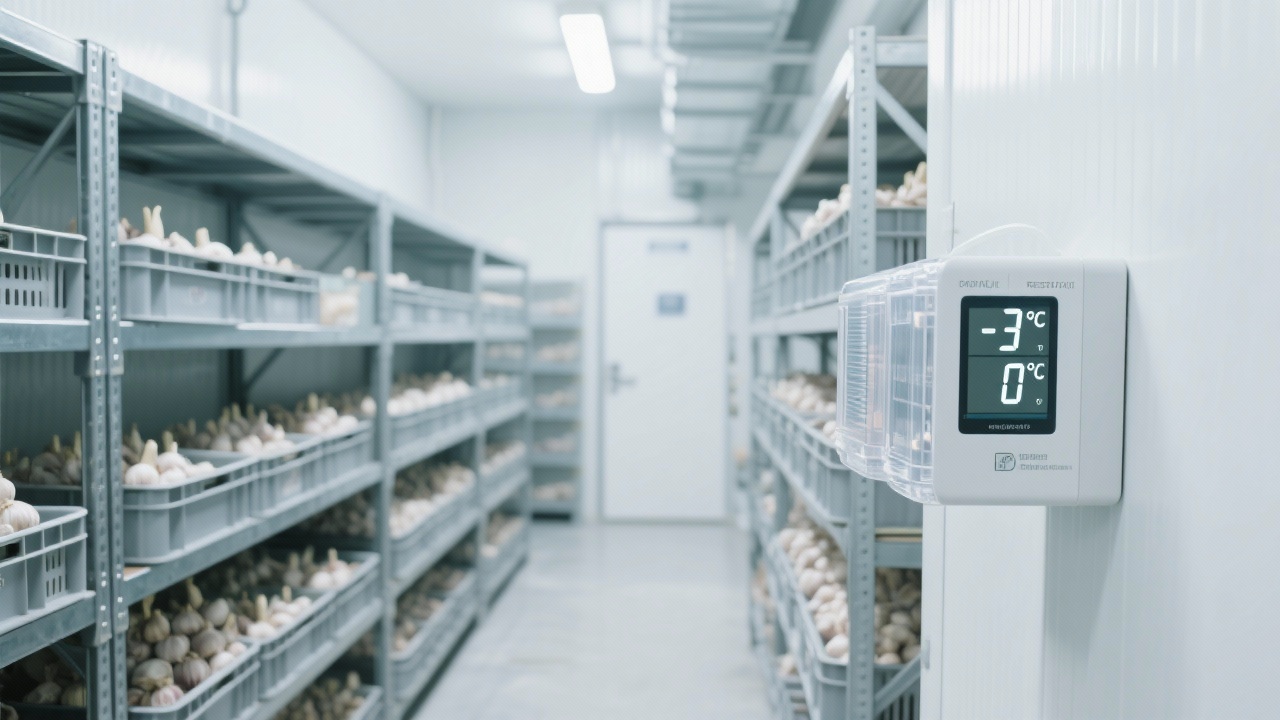
The International Horticultural Organization has established precise environmental parameters for garlic storage and transport that significantly reduce spoilage rates:
| Storage Phase | Temperature Range | Relative Humidity | Max Allowable Fluctuation |
|---|---|---|---|
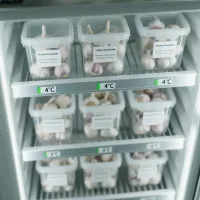
| Pre-shipment Storage | 0-2°C (32-35.6°F) | 65-70% RH | ±1°C per 24 hours |
| Ocean Freight Transport | 2-4°C (35.6-39.2°F) | 70-75% RH | ±2°C per 12 hours |
| Air Freight Transport | 1-3°C (33.8-37.4°F) | 65-70% RH | ±1.5°C per hour |
These parameters are not arbitrary – they're based on the biological characteristics of garlic, which enters a dormant state at 0-4°C, significantly slowing respiration and sprout development. Maintaining this temperature window while controlling humidity within the 65-75% range creates an environment where mold spores cannot germinate and spread.
Each transportation method presents unique challenges and benefits for garlic exporters. Understanding these differences allows for strategic decision-making based on destination, timeline, and budget constraints:
Best for: Large volume shipments (20ft+ containers)
Transit Time: 20-45 days typical
Quality Risk: Moderate (higher risk of temperature fluctuations)
Cost Efficiency: Highest among transport methods
Best for: High-value or time-sensitive shipments
Transit Time: 2-7 days typical
Quality Risk: Lower (shorter duration offsets handling risks)
Cost Efficiency: Lowest (3-5x ocean freight costs)
Best for: Regional trade (Europe, North America)
Transit Time: 2-10 days typical
Quality Risk: Lowest (most consistent temperature control)
Cost Efficiency: Moderate (1.5-2x ocean freight costs)
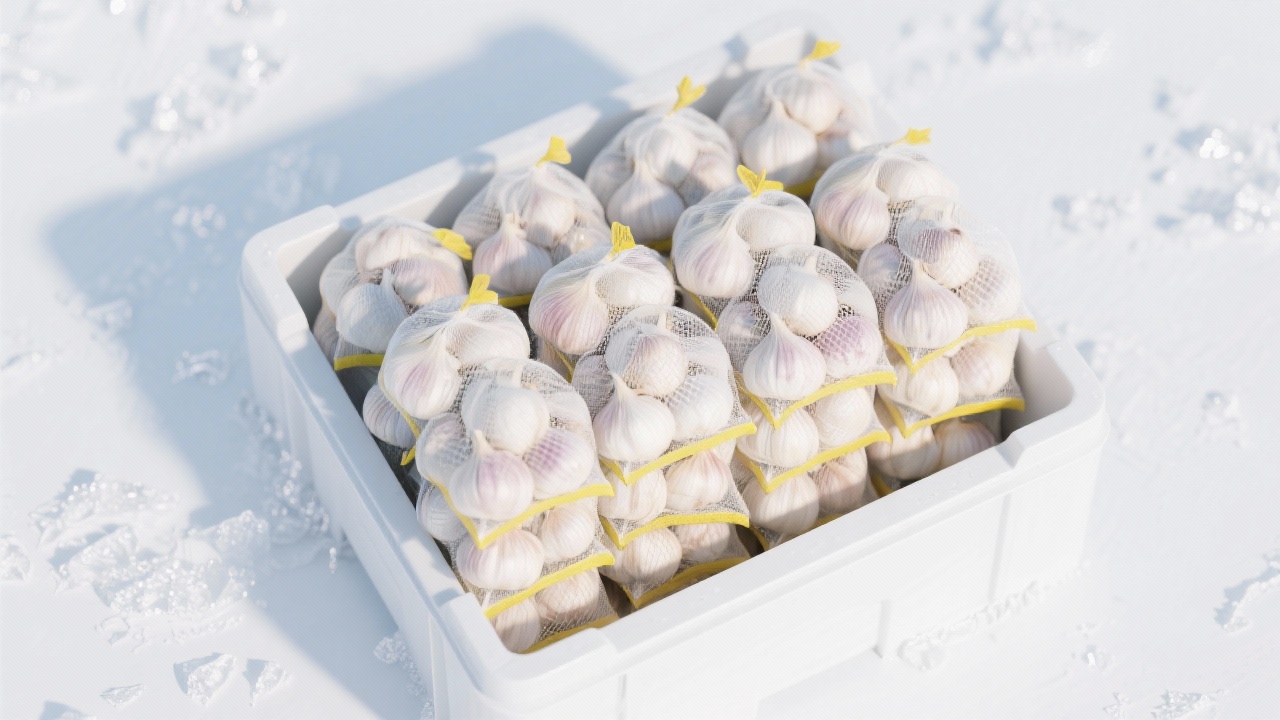
While temperature and humidity control form the foundation of garlic preservation, modern packaging technologies play a crucial role in maintaining optimal conditions and preventing mechanical damage:
Specialized films that regulate oxygen and carbon dioxide levels have been shown to extend garlic shelf life by 40-50% during transit. These films work by creating an atmosphere with 2-5% oxygen and 5-8% carbon dioxide, significantly slowing respiration rates and mold development.
For container shipments, active humidity control liners help maintain the critical 65-75% RH range by absorbing excess moisture or releasing humidity when conditions become too dry. This technology has reduced moisture-related losses by an average of 8-12% in real-world applications.
Innovative paper-based cushioning and compartmentalized trays minimize bulb-to-bulb contact and reduce mechanical damage during loading, unloading, and transport. Studies from leading logistics providers show that proper cushioning reduces damage rates by up to 60% compared to bulk packing methods.
This checklist, when properly executed, has been shown to reduce post-transport mold incidence by up to 70% in第三方 logistics studies.
A major garlic exporter based in Shandong implemented a comprehensive cold chain solution for their 45-day ocean freight route to Rotterdam. By combining precise temperature control (maintained at 2±1°C), humidity-regulated containers, and modified atmosphere packaging, they achieved remarkable results:
This case demonstrates that with proper implementation of temperature and humidity control technologies, garlic can maintain exceptional quality even during extended international transit. The investment in proper cold chain management resulted in a 12% increase in overall profitability through reduced losses and improved product pricing.
 459
|
459
|
 Shandong garlic planting standardization
EU agricultural inspection standards
China A-grade garlic origin
agricultural standardization system
garlic cold chain logistics
Shandong garlic planting standardization
EU agricultural inspection standards
China A-grade garlic origin
agricultural standardization system
garlic cold chain logistics
 448
|
white garlic nutritional value
allicin benefits
immune-boosting foods
functional food export
antioxidant ingredients
448
|
white garlic nutritional value
allicin benefits
immune-boosting foods
functional food export
antioxidant ingredients
 46
|
agricultural cross-border logistics
garlic export packaging
temperature-controlled transportation
fresh produce cold chain preservation
Yishangqiao garlic logistics
46
|
agricultural cross-border logistics
garlic export packaging
temperature-controlled transportation
fresh produce cold chain preservation
Yishangqiao garlic logistics
 428
|
fresh loose garlic storage
garlic preservation tips
garlic storage temperature humidity
how to keep garlic fresh longer
garlic mold prevention
428
|
fresh loose garlic storage
garlic preservation tips
garlic storage temperature humidity
how to keep garlic fresh longer
garlic mold prevention
 319
|
Chinese white garlic
garlic nutritional value
allicin benefits
health food buyers
functional superfood
319
|
Chinese white garlic
garlic nutritional value
allicin benefits
health food buyers
functional superfood

.png?x-oss-process=image/resize,h_600,m_lfit/format,webp)







.png?x-oss-process=image/resize,h_200,m_lfit/format,webp)





 TikTok
 Facebook