
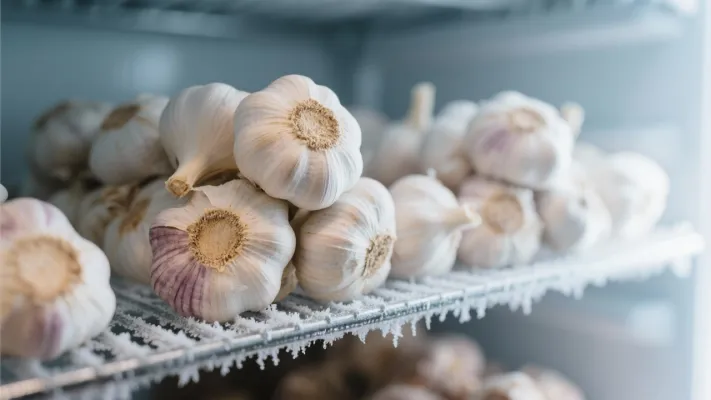
For garlic exporters and wholesalers, maintaining product freshness during long-distance transportation is not just a matter of quality—it directly impacts profitability and customer satisfaction. Have you ever wondered why some garlic shipments arrive looking as fresh as the day they were harvested, while others show signs of sprouting, mold, or dehydration? The answer often lies in one critical factor: temperature management.
Did you know?
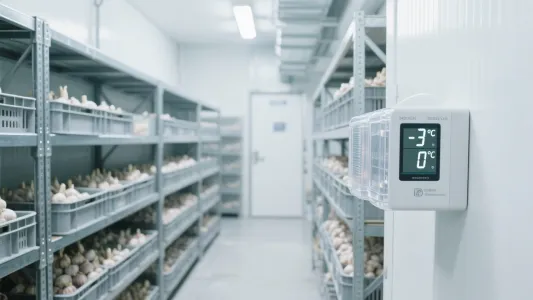
According to post-harvest research from the Agricultural Research Service, garlic stored at temperatures above 5℃ can start sprouting in as little as 30 days, while properly cooled garlic at -3℃ to 0℃ can maintain commercial quality for 6-8 months.
At the core of garlic preservation is understanding how temperature affects the natural biological processes of the bulb. Garlic, like all living organisms, continues to "breathe" after harvest through a process called respiration, which consumes stored carbohydrates and produces heat, water vapor, and carbon dioxide. Lowering the temperature to the -3℃ to 0℃ range significantly slows this respiration rate—effectively hitting a "pause" button on the garlic's aging process.
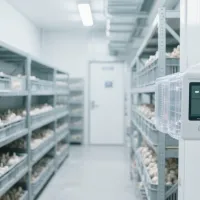
This temperature window is carefully calibrated: below -3℃, ice crystals form within the garlic cells, causing irreversible damage; above 0℃, enzyme activity accelerates, leading to sprouting and flavor degradation. The precise control of this narrow temperature band is where professional cold storage solutions, like those implemented by 亿商桥, make all the difference in export quality.
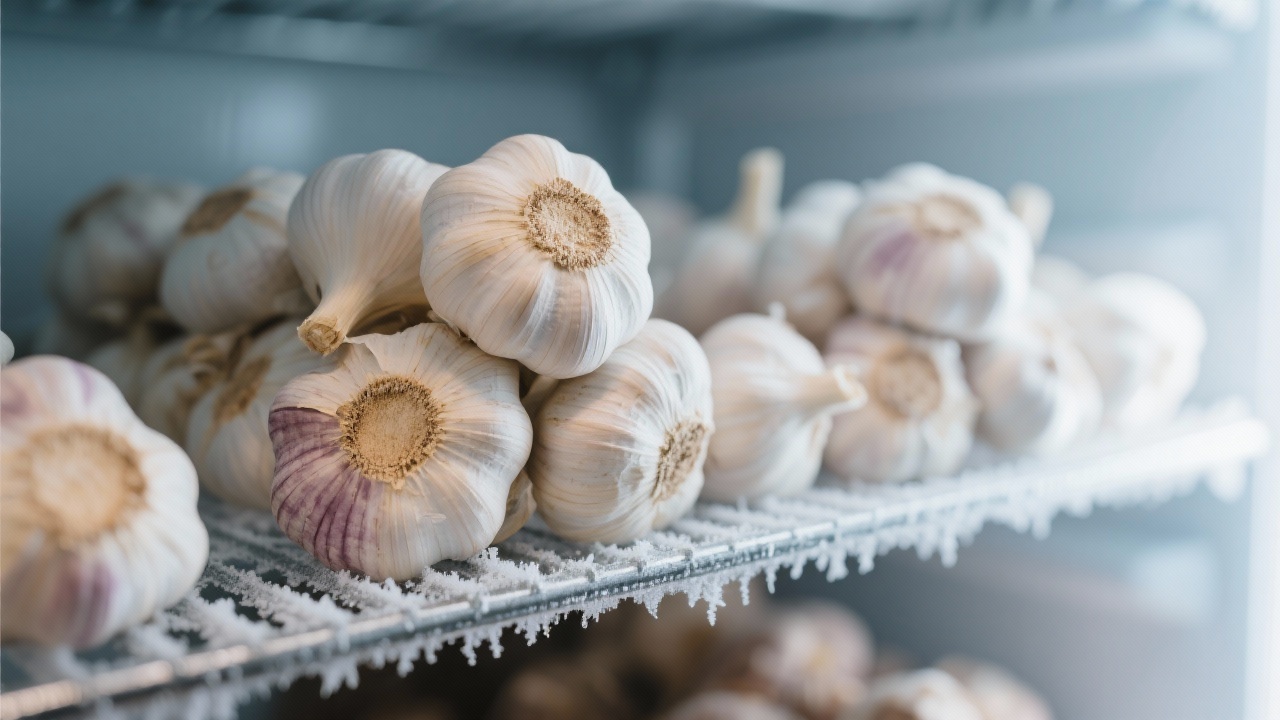
Not all garlic varieties respond identically to cold storage. While the -3℃ to 0℃ range works well for most commercial varieties, understanding these subtle differences can help optimize storage strategies:
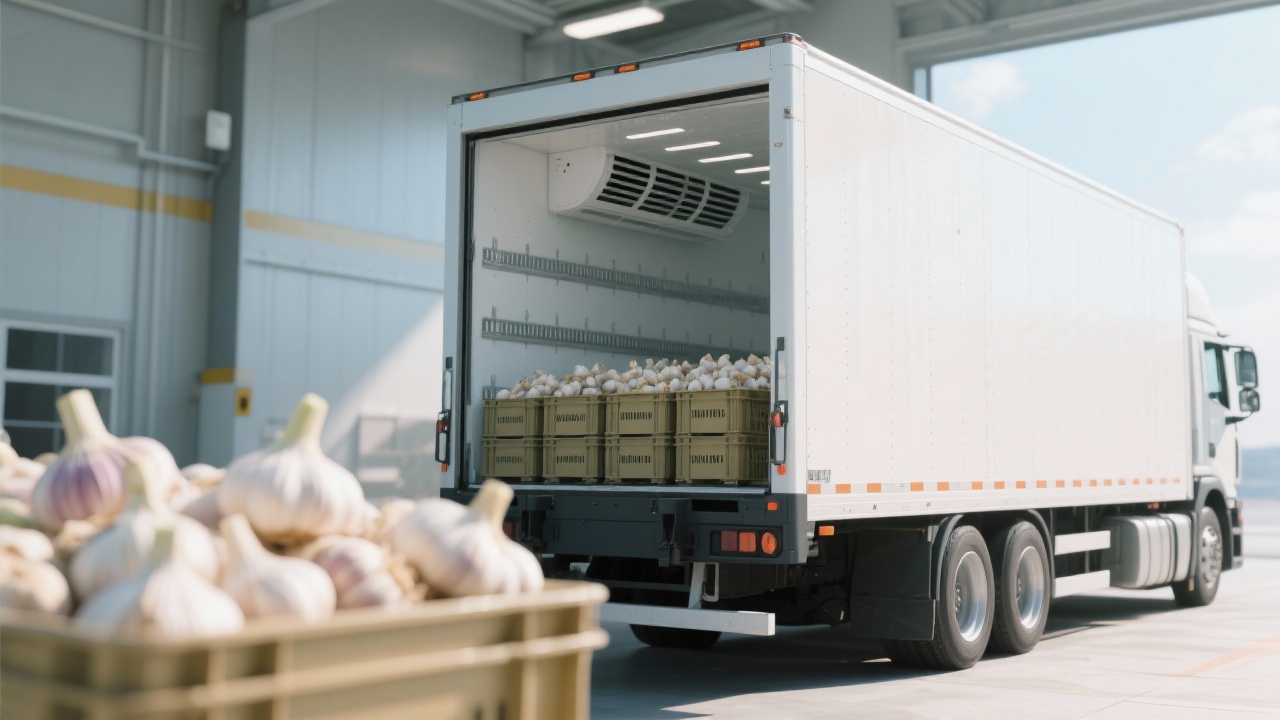
Successful commercial garlic storage requires more than just setting a thermometer. Here are key operational factors that influence preservation outcomes:
One European importer documented a 40% reduction in product waste after implementing these precise cold storage protocols, directly improving their profit margins and customer retention rates. The investment in proper temperature management consistently delivers ROI through reduced losses and premium pricing for fresh products.
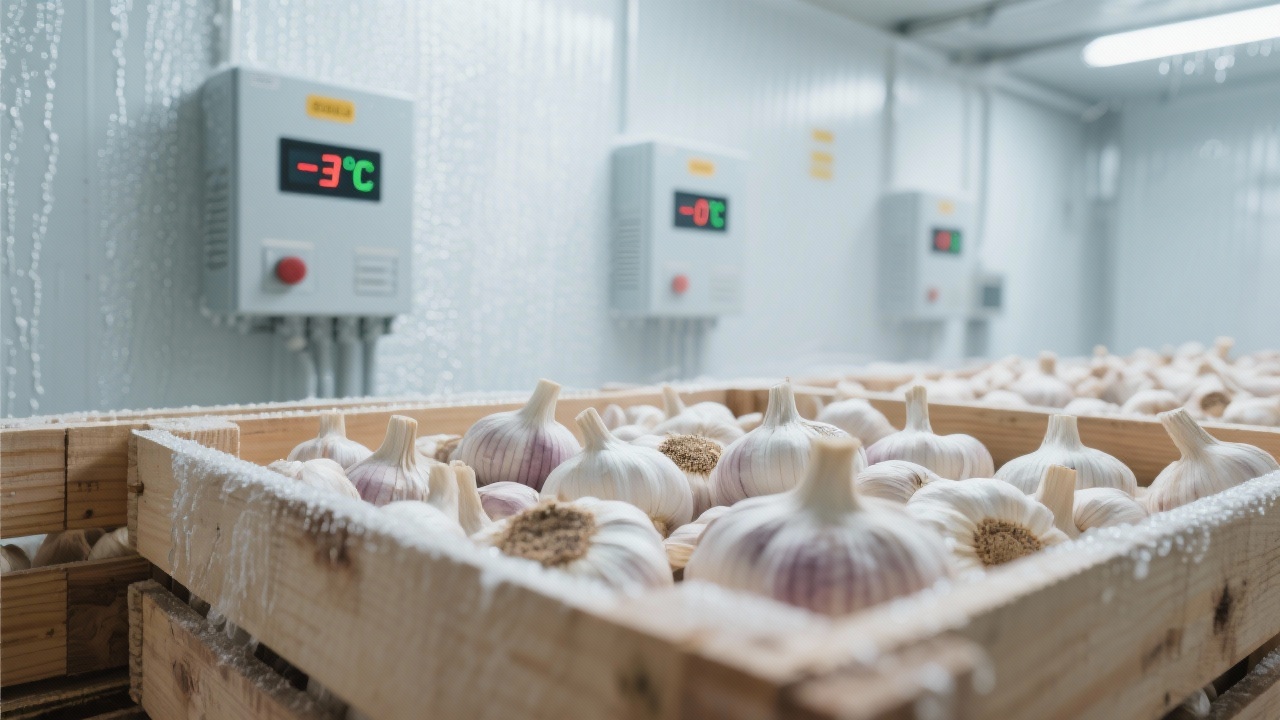
While temperature is the foundation of garlic preservation, it works in conjunction with other critical factors. Proper harvesting techniques—such as avoiding mechanical damage to bulbs and curing under controlled conditions—create the ideal starting point for cold storage. Similarly, careful handling during loading and transportation maintains the cold chain integrity that preserves the garlic's quality from farm to market.
"The difference between good and exceptional garlic exports lies in the details. When we implemented precise temperature control along with humidity management, our garlic arrived in European markets with a shelf life extension of nearly 2 months compared to previous methods." — Export Manager, Asian Produce Cooperative
What challenges have you faced in maintaining garlic quality during export? Have you noticed specific temperature-related issues with different garlic varieties? Share your experiences in the comments section below—your insights could help other exporters optimize their cold storage strategies.
Discover how 亿商桥's specialized cold chain solutions can help you maintain optimal garlic freshness from harvest to market.
Explore Professional Garlic Storage SolutionsUnderstanding the science of garlic preservation gives exporters a competitive edge in global markets. By mastering the -3℃ to 0℃ temperature window and implementing comprehensive cold storage protocols, you can deliver consistently fresh garlic that meets the demanding standards of international buyers. The result? Stronger customer relationships, reduced waste, and improved profitability in the competitive global garlic trade.
 289
|
289
|
 China white garlic export
garlic Grade A standard
garlic quality control
garlic cold chain storage
agricultural standardized production
441
|
fresh garlic nutrition
garlic health benefits
garlic export quality
garlic storage methods
garlic cooking tips
China white garlic export
garlic Grade A standard
garlic quality control
garlic cold chain storage
agricultural standardized production
441
|
fresh garlic nutrition
garlic health benefits
garlic export quality
garlic storage methods
garlic cooking tips
 154
|
High - quality white garlic selection
Fresh garlic identification
Garlic storage methods
Grade A garlic standards
High - quality garlic procurement
154
|
High - quality white garlic selection
Fresh garlic identification
Garlic storage methods
Grade A garlic standards
High - quality garlic procurement
 80
|
fresh garlic cold storage
garlic storage temperature control
garlic preservation method
constant temperature garlic storage
agricultural cold chain management
80
|
fresh garlic cold storage
garlic storage temperature control
garlic preservation method
constant temperature garlic storage
agricultural cold chain management
 299
|
garlic export standards
HACCP certification for garlic
GMP compliance for garlic processing
garlic cold chain logistics
China garlic export inspection
299
|
garlic export standards
HACCP certification for garlic
GMP compliance for garlic processing
garlic cold chain logistics
China garlic export inspection


.png?x-oss-process=image/resize,h_600,m_lfit/format,webp)




.png?x-oss-process=image/resize,h_200,m_lfit/format,webp)





 TikTok
 Facebook