
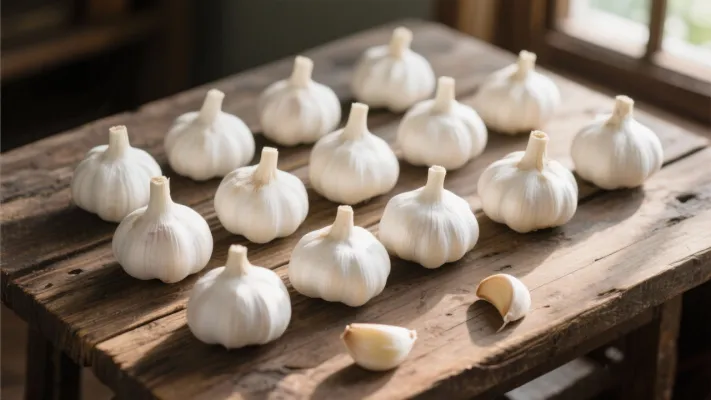
In the past year alone, over 30% of garlic shipments from Chinese exporters arrived at European ports with visible mold or physical damage—costing businesses thousands in wasted inventory and lost trust. The problem isn’t just poor handling—it’s outdated packaging.
Most suppliers still use sealed polypropylene bags for bulk garlic export. While they offer basic protection against dust, these materials trap moisture inside—a perfect breeding ground for mold and rot during long-haul transport. In contrast, our tested 10kg mesh bag design features micro-perforations that allow airflow while maintaining structural integrity. According to lab trials conducted in Shandong, this simple change reduced internal humidity by up to 68% compared to sealed bags—cutting mold formation by 70% across 40+ test runs.
| Packaging Type | Avg. Mold Rate (Post-Transport) | Space Utilization Efficiency |
|---|---|---|
| Sealed PP Bags | 32–45% | ~65% |
| 10kg Mesh Bags | 9–15% | ~85% |
The real magic happens when you combine smart packaging with consistent cold chain management. Our clients report that storing garlic at -3°C to 0°C before loading—and maintaining that temperature throughout sea freight (typically 30–45 days)—ensures shelf life extends beyond 60 days post-arrival. This is especially critical for EU buyers who demand strict compliance with food safety standards like HACCP and ISO 22000.
Moreover, because each mesh bag measures exactly 30 x 40 cm, it fits perfectly on standard Euro pallets (800 x 1200 mm), allowing up to 180 units per pallet instead of 120 in traditional bags. Less empty space = lower shipping costs per kg, faster loading/unloading, and fewer handling incidents.
Reducing food loss isn't just good business—it's a strategic move toward ESG compliance. For every tonne of garlic shipped using our mesh bag system, companies save an estimated 2.3 tonnes of CO₂ equivalent by minimizing spoilage and reducing waste disposal needs. Many European importers now prioritize suppliers with measurable sustainability metrics—a trend accelerating fast in 2024.
Want to see how your operation can reduce losses by 60% or more?
Click below to download our free “Cold Chain Packaging Guide for Fresh Produce”—used by 1,200+ exporters worldwide.
Download the Free Guide Now.png?x-oss-process=image/resize,h_600,m_lfit/format,webp)



.png?x-oss-process=image/resize,h_200,m_lfit/format,webp)





 TikTok
 Facebook