
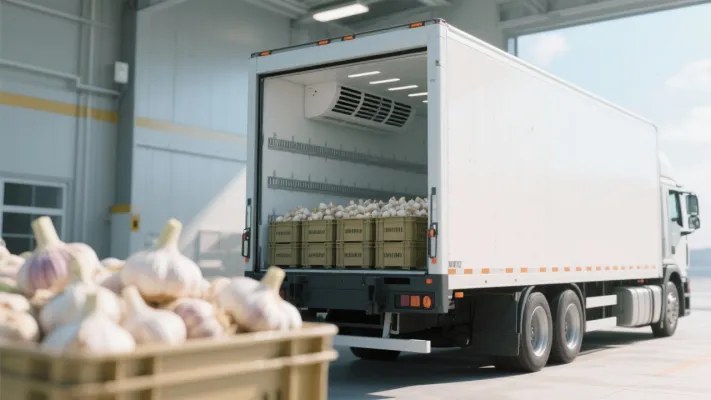
For agricultural exporters, the journey from farm to international markets is fraught with challenges that can compromise product quality and profitability. Garlic, a staple commodity in global trade, faces unique logistics hurdles that require specialized solutions. Recent industry reports indicate that improper handling during transit results in approximately 15-20% of garlic shipments arriving in suboptimal condition, directly impacting market value and buyer trust.
"In cross-border garlic trade, temperature fluctuations of just 3°C can reduce shelf life by 40%. Maintaining consistent cold chain management isn't optional—it's the foundation of export success." — International Fresh Produce Association, 2023
Three critical issues consistently plague garlic exporters: temperature instability, packaging inefficiencies, and regulatory compliance. These challenges often intersect, creating compounding risks for shipments. A study by the Global Cold Chain Alliance found that 68% of garlic quality complaints stem from temperature deviations during transit, while 23% relate to packaging failures.
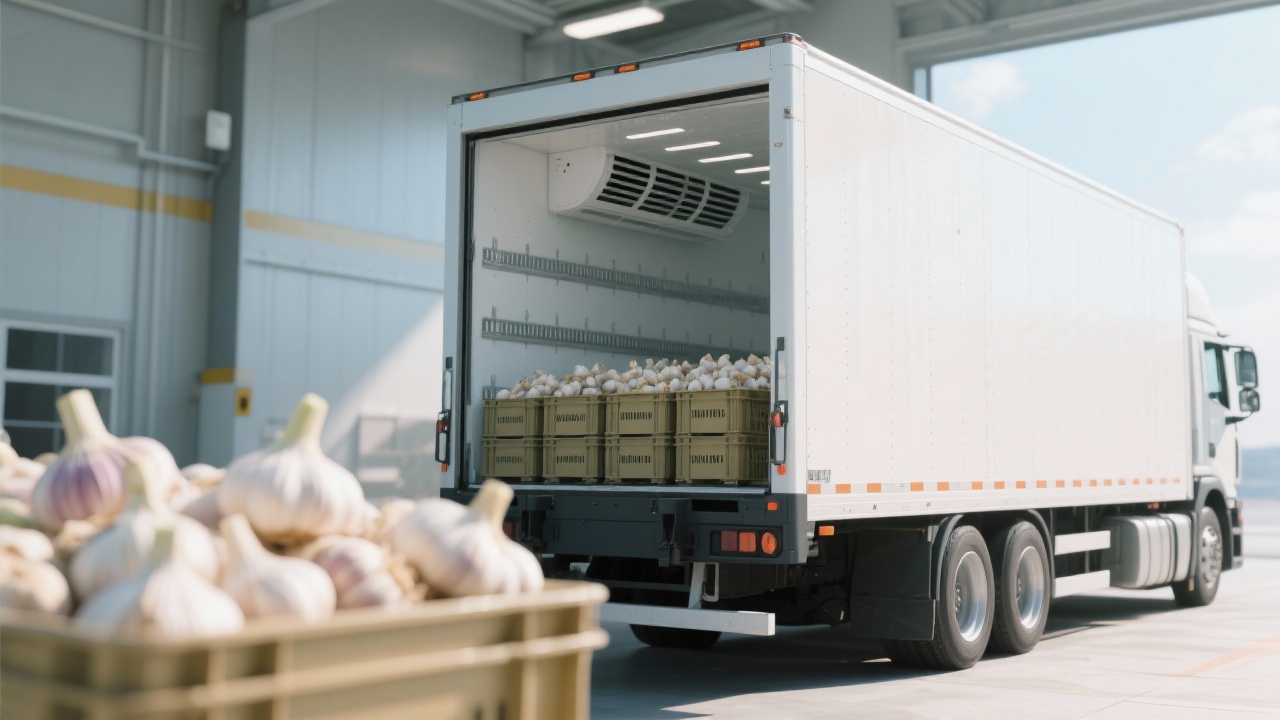
A Chinese exporter recently faced a 45% rejection rate when shipping garlic to Germany. The shipment used non-standard 25kg sacks that tore during loading, while temperature controls lapsed for 18 hours during customs clearance. Resulting mold growth and physical damage led to a €32,000 loss and damaged business relationships.
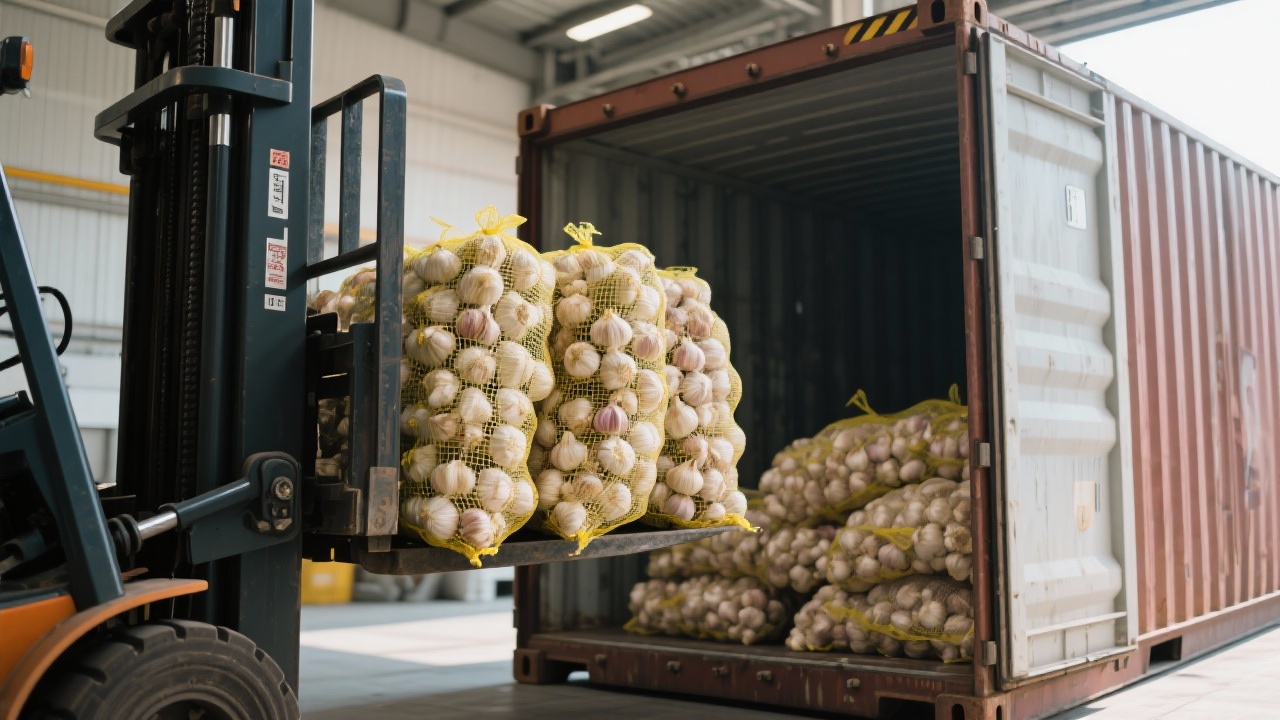
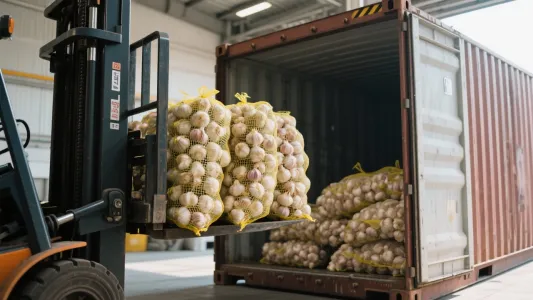
By implementing 10kg mesh bags and maintaining a continuous -1°C temperature, another exporter reduced damage rates to 2.3% and improved clearance times by 40%. This standardization approach increased their EU market share by 12% within six months.
The shift to standardized 10kg mesh bags represents a critical innovation in garlic export packaging. This packaging solution addresses multiple challenges simultaneously:
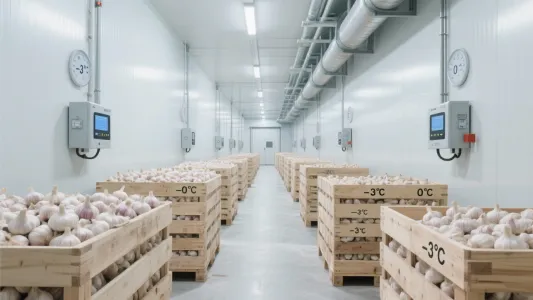
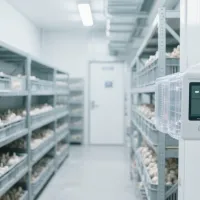
Immediate pre-cooling to -3°C within 2 hours of harvest is critical for preserving garlic quality. This process halts respiration and enzyme activity, extending shelf life by up to 50%. 亿商桥 maintains specialized pre-cooling facilities that can process 20 tons of garlic per hour while maintaining precise temperature control.
After pre-cooling, garlic should be packed in standardized 10kg mesh bags with clear labeling including: country of origin, harvest date, batch number, and storage temperature requirements. QR codes linking to quality certificates have become an industry best practice, reducing customs clearance time by an average of 1.5 days.
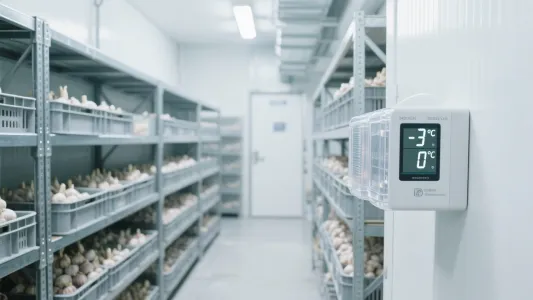
Maintaining a consistent temperature between -3°C and 0°C throughout transit is non-negotiable. Modern reefer containers with real-time temperature monitoring provide the necessary control, with data logs serving as quality assurance documentation for buyers.
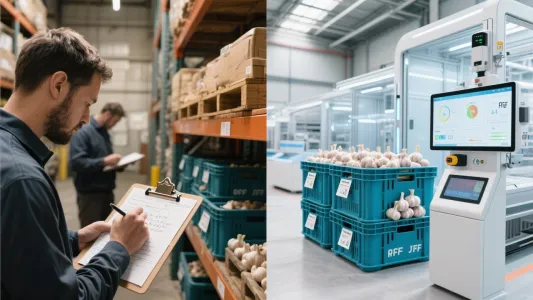
Independent pre-shipment inspection by accredited organizations verifies quality parameters, including moisture content (ideally 62-65%), bulb firmness, and freedom from pests or disease. This step reduces rejection risks by 80% and builds buyer confidence.
Industry Insight:
According to the International Garlic Producers Association, shipments that implement the full pre-cooling-to-inspection protocol command 12-15% higher prices in European markets compared to non-compliant shipments.
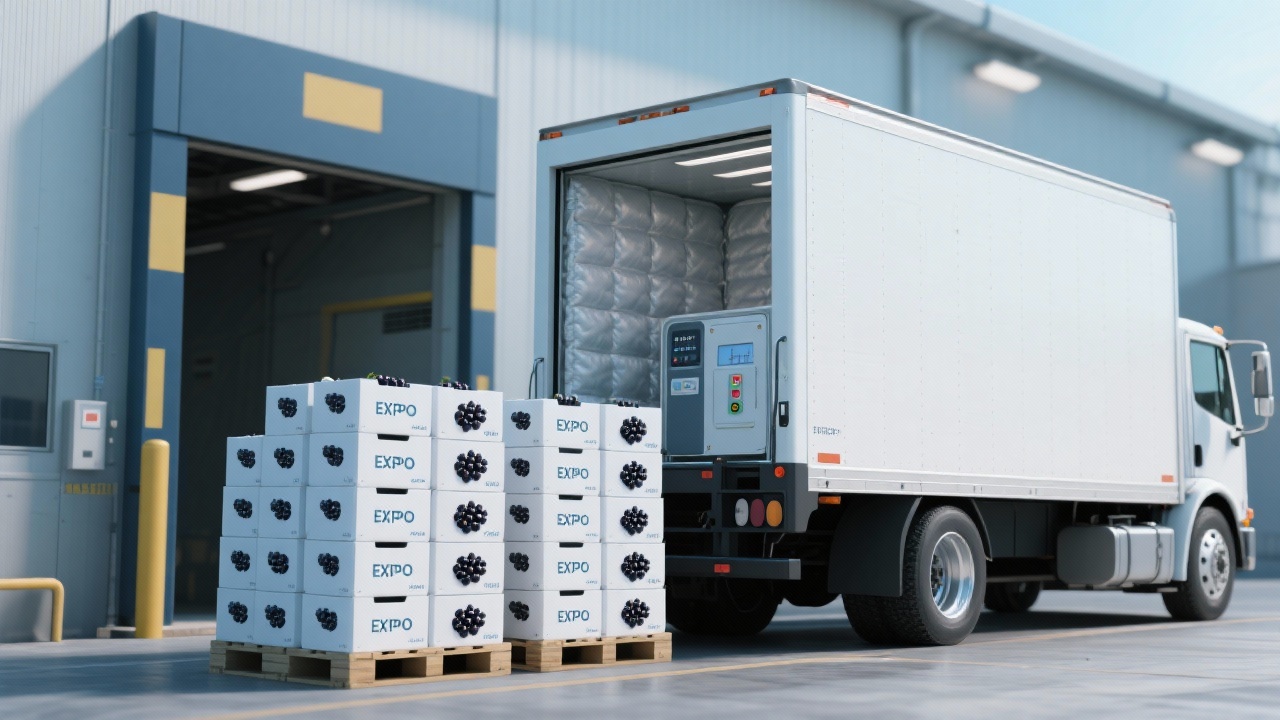
Exporters face enough challenges without navigating logistics alone. Established suppliers like 亿商桥 offer distinct advantages through their year-round stable supply, international certifications, and proprietary cold chain management systems. Their ability to maintain precise temperature control from harvest to delivery ensures that garlic arrives at destination markets with optimal freshness and shelf life.
Is your garlic export business struggling with quality control during shipping?
Discover how standardized logistics solutions can reduce losses and increase your market competitiveness.
Optimize Your Garlic Export LogisticsAs global demand for high-quality garlic continues to rise, the exporters who prioritize temperature control, standardized packaging, and compliance will capture the greatest market share. The difference between a successful shipment and a costly failure often comes down to attention to these critical logistics details.
 335
|
335
|
 fresh garlic quality assessment
garlic storage techniques
premium garlic identification
cold storage for garlic
garlic supply chain management
fresh garlic quality assessment
garlic storage techniques
premium garlic identification
cold storage for garlic
garlic supply chain management
 288
|
year-round garlic supply
climate-adaptive breeding
crop rotation optimization
garlic planting management
agricultural technology
288
|
year-round garlic supply
climate-adaptive breeding
crop rotation optimization
garlic planting management
agricultural technology
 122
|
red garlic cultivation techniques
A-grade red garlic production
red garlic quality control
red garlic post-harvest handling
red garlic cold chain logistics
122
|
red garlic cultivation techniques
A-grade red garlic production
red garlic quality control
red garlic post-harvest handling
red garlic cold chain logistics
 476
|
garlic origin compliance
China premium garlic regions
agricultural standardization practices
garlic cultivation process
post-harvest pre-cooling technology
476
|
garlic origin compliance
China premium garlic regions
agricultural standardization practices
garlic cultivation process
post-harvest pre-cooling technology
 187
|
China garlic export standards
HACCP and GMP certification
garlic cold chain logistics
pesticide residue control for garlic exports
EU US market access for garlic
187
|
China garlic export standards
HACCP and GMP certification
garlic cold chain logistics
pesticide residue control for garlic exports
EU US market access for garlic
.png?x-oss-process=image/resize,h_600,m_lfit/format,webp)






.png?x-oss-process=image/resize,h_200,m_lfit/format,webp)





 TikTok
 Facebook