
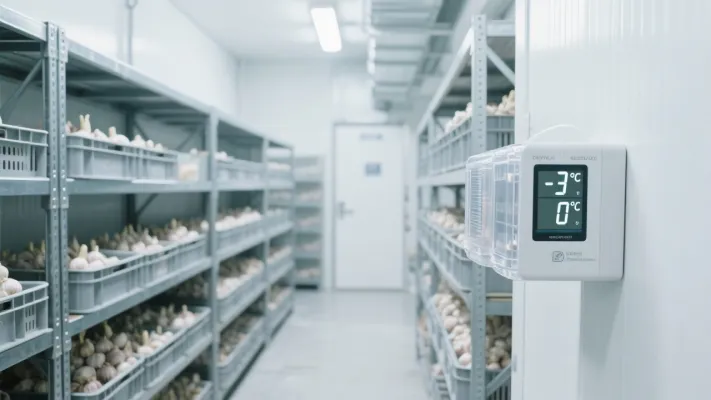
Garlic, a staple in cuisines worldwide, loses its pungency and texture within weeks without proper storage. Have you ever wondered why supermarket garlic stays firm for months while your home-stored bulbs sprout or shrivel within weeks? The answer lies in understanding the delicate balance of temperature control that can effectively "pause" garlic's natural aging process.
"Controlled low-temperature storage can extend garlic shelf life from 2-3 months to 8-10 months while maintaining 85% of its original nutritional value and flavor compounds." — International Postharvest Research Institute, 2022
Garlic bulbs remain biologically active after harvest, continuing to respire and undergo enzymatic changes that eventually lead to sprouting, softening, and flavor degradation. At ambient temperatures (20-25℃), garlic respiration rates can reach 3-5 mg CO₂/kg·h, rapidly depleting stored energy reserves.
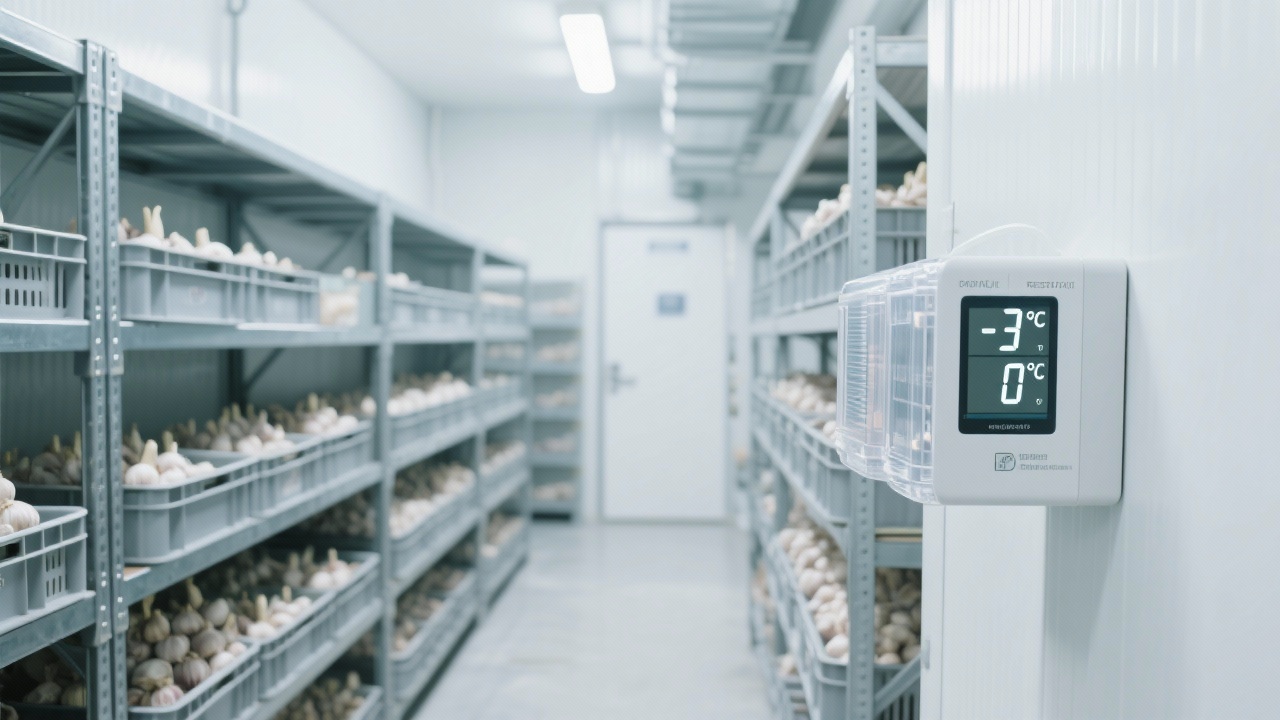
When temperatures drop to the -3℃~0℃ range, this metabolic activity slows dramatically. Respiration rates decrease by 70-80%, enzyme activity is suppressed by up to 65%, and water loss (which causes shriveling) is reduced to less than 0.5% per month compared to 3-5% at room temperature.
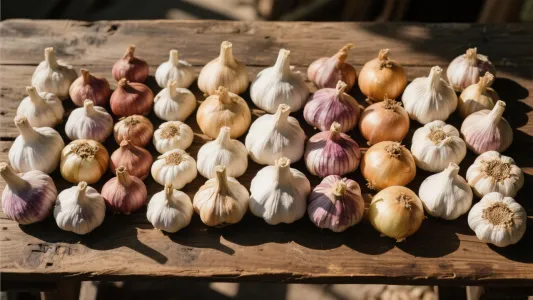
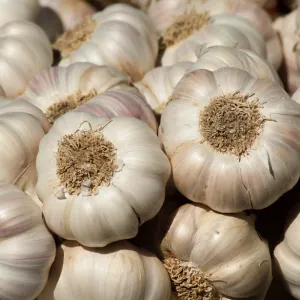
Not all garlic varieties respond identically to cold storage. Purple garlic, with its thicker skin and higher anthocyanin content, typically shows better natural resistance to decay but can be more sensitive to freezing damage.
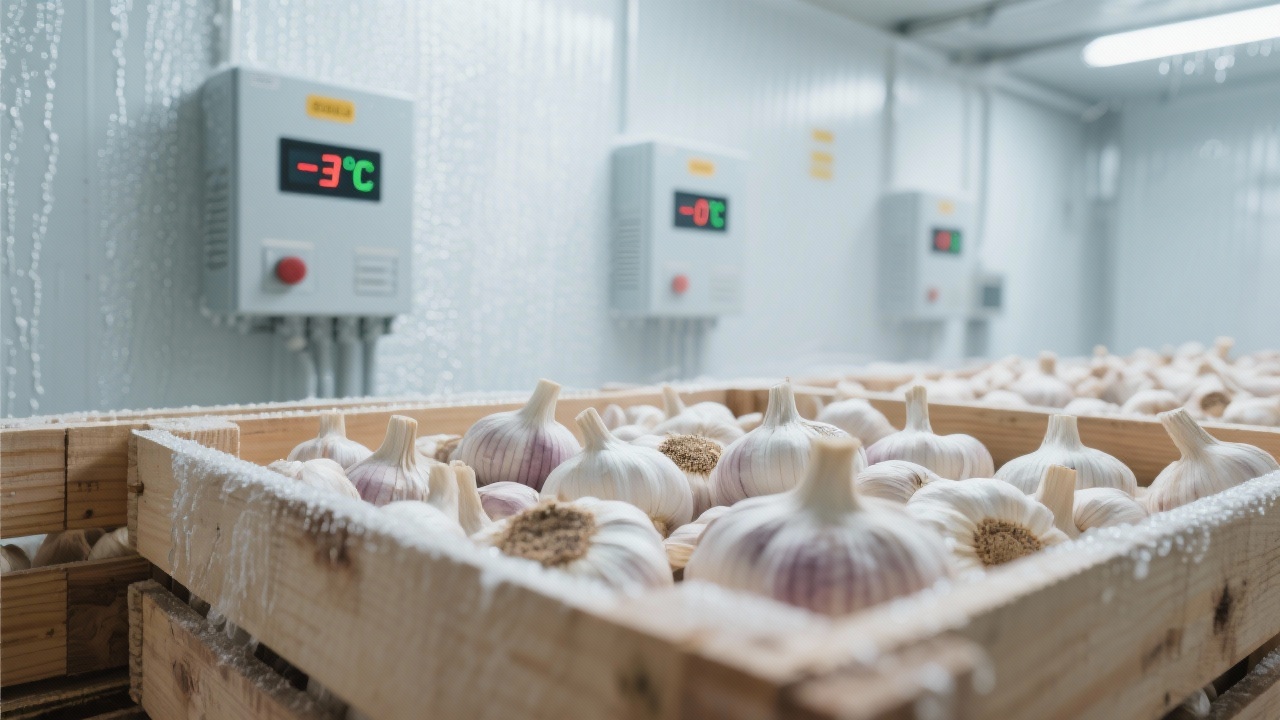
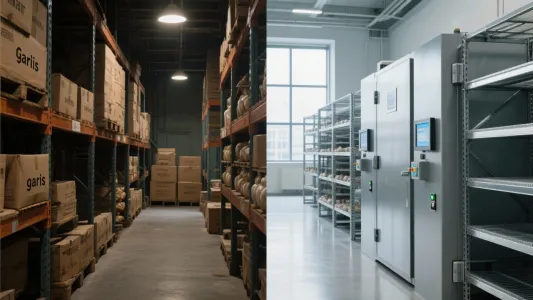
The principles of garlic cold storage apply across all scales, from household refrigerators to industrial cold rooms. For home storage, the crisper drawer offers the most stable temperature environment, but requires proper preparation.
For Home Users:
For Commercial Operations:
Commercial cold storage facilities utilizing precise temperature control report up to 92% marketable garlic after 8 months of storage, compared to only 45% for ambient storage methods, according to a 2023 study by the Global Produce Preservation Association.
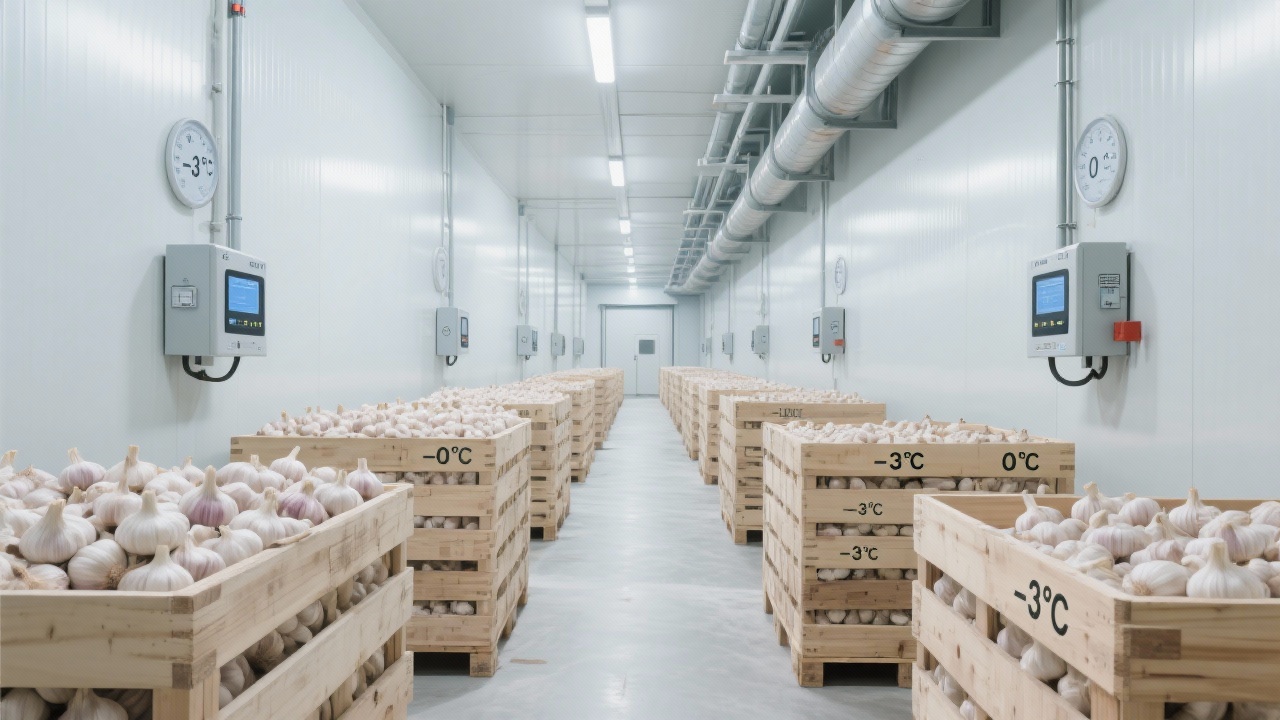
While temperature control forms the foundation of garlic preservation, optimal results require a holistic approach. Pre-storage curing, proper air circulation, ethylene management, and humidity control all play critical roles in maintaining garlic quality.
For businesses in the agricultural supply chain, implementing these scientific storage principles translates directly to reduced waste, improved product quality, and enhanced profitability. Whether you're a small-scale farmer or a large produce distributor, understanding these biological principles can transform your bottom line.
Discover how 亿商桥's agricultural cold chain solutions can help you maintain optimal garlic quality from harvest to market.
Explore Professional Cold Storage SolutionsWhat challenges have you faced with garlic storage? Have you noticed significant differences between garlic varieties in your storage facilities? Share your experiences and questions in the comments section below.
 318
|
318
|
 red garlic marination
red garlic sauce application
garlic marination techniques
enhance sauce flavor
commercial kitchen marination
red garlic marination
red garlic sauce application
garlic marination techniques
enhance sauce flavor
commercial kitchen marination
 478
|
red garlic buying guide
premium red garlic identification
red garlic storage tips
red garlic packaging standards
global red garlic market trends
478
|
red garlic buying guide
premium red garlic identification
red garlic storage tips
red garlic packaging standards
global red garlic market trends
 485
|
garlic varieties comparison
garlic flavor differences
allicin content
garlic cooking guide
亿商桥
485
|
garlic varieties comparison
garlic flavor differences
allicin content
garlic cooking guide
亿商桥
 438
|
fresh garlic quality assessment
garlic storage techniques
white vs purple garlic
allicin preservation
agricultural product sourcing guide
438
|
fresh garlic quality assessment
garlic storage techniques
white vs purple garlic
allicin preservation
agricultural product sourcing guide
 299
|
garlic export standards
HACCP certification for garlic
GMP compliance for garlic processing
garlic cold chain logistics
China garlic export inspection
299
|
garlic export standards
HACCP certification for garlic
GMP compliance for garlic processing
garlic cold chain logistics
China garlic export inspection


.png?x-oss-process=image/resize,h_600,m_lfit/format,webp)




.png?x-oss-process=image/resize,h_200,m_lfit/format,webp)





 TikTok
 Facebook