
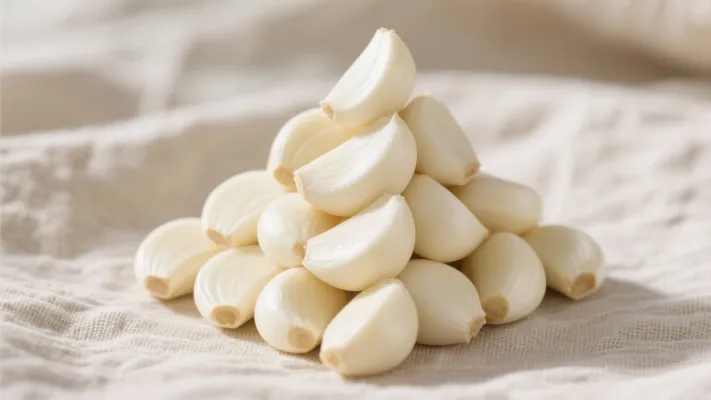
For European buyers sourcing fresh garlic from China, maintaining quality and extending shelf life are top priorities—especially when it comes to meeting strict retail standards and consumer expectations. Recent agricultural studies show that storing garlic at temperatures between -3°C and 0°C can extend its freshness by up to 40–60% compared to ambient storage (source: FAO Cold Chain Research, 2022).
At this optimal range, garlic’s metabolic activity slows significantly. Research from the University of Wageningen (Netherlands) confirms that respiration rates drop by over 70% at -2°C versus 15°C, reducing moisture loss and preventing premature sprouting.
| Storage Condition | Shelf Life Extension | Key Benefit |
|---|---|---|
| Ambient (15°C) | ~14 days | Basic preservation |
| Controlled Cold (-2°C) | ~28–35 days | Reduced spoilage & sprouting |
| Freeze-thaw cycles | <5 days | Texture degradation |
Even with perfect temperature control, improper packaging leads to waste. Our 10kg breathable net bags—designed with micro-perforations and anti-condensation layers—have been tested in real-world EU cold chains and reduced mold growth by 35% while minimizing bruising during transport.
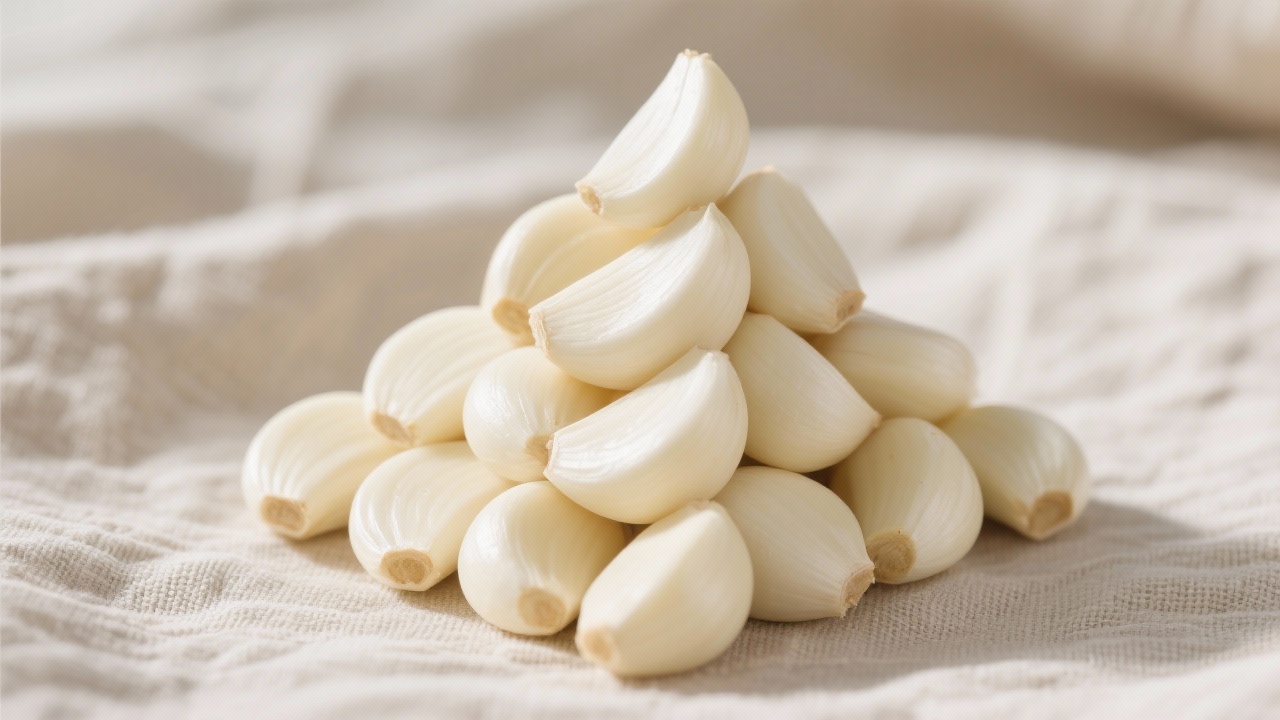
Cold storage doesn’t just keep garlic looking fresh—it preserves its active compounds. A study published in Food Chemistry (2023) found that sulfur-containing allicin levels remained stable for over 30 days under controlled conditions, whereas they dropped by nearly 45% after just two weeks at room temperature.
If you're a food service provider, distributor, or importer looking for consistent, high-quality garlic year-round, understanding these science-backed methods isn't optional—it's essential.
Want to see how our cold chain system works in practice? We’ve helped over 120 European partners reduce post-harvest losses by up to 50% using this method. Explore our case studies and get a free guide on best practices for garlic storage in your region → Download Free Garlic Cold Chain Guide
.png?x-oss-process=image/resize,h_600,m_lfit/format,webp)



.png?x-oss-process=image/resize,h_200,m_lfit/format,webp)





 TikTok
 Facebook