
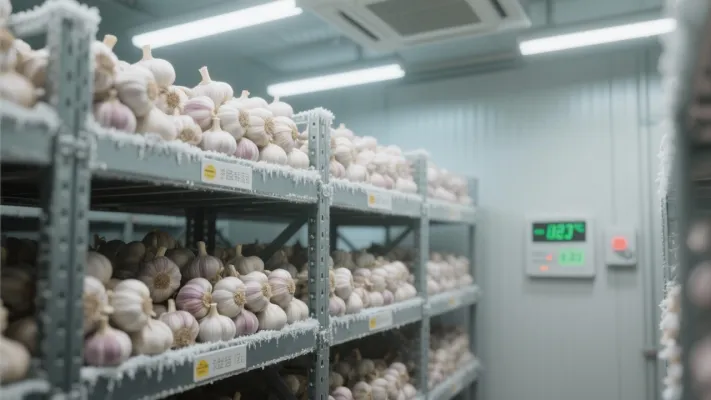
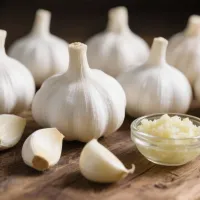
As a foodservice supply chain manager, you know that even small variations in ingredient quality can ripple through your kitchen operations—impacting consistency, customer satisfaction, and brand reputation. One often-overlooked factor? The temperature at which garlic is stored.
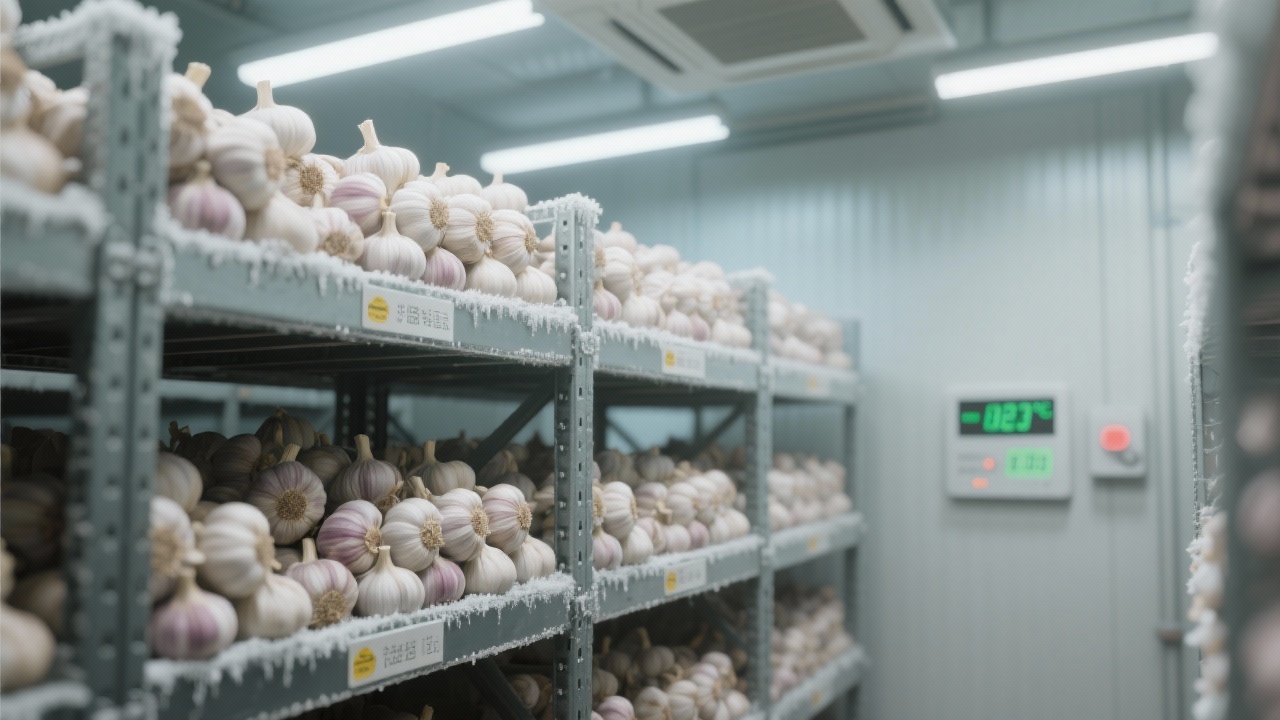
Agricultural research from the University of California Davis shows that storing garlic between -3°C and 0°C reduces microbial growth by up to 70% compared to ambient storage (20–25°C), while preserving allicin—a key sulfur compound responsible for garlic’s health benefits—for over 6 weeks longer than standard refrigeration.
At higher temperatures, enzymes in garlic become hyperactive, triggering sprouting and softening within just 7–10 days. In contrast, cold storage at -3°C to 0°C slows enzymatic activity significantly. According to studies published in the Journal of Food Science, this range maintains cellular integrity, delays oxidation, and preserves texture, aroma, and nutritional value—critical for chefs who rely on consistent flavor profiles across batches.
This isn’t just theory—it’s operational reality. A case study with a U.S.-based hotel group revealed that switching to professionally cooled garlic reduced spoilage-related waste by 42% over three months, directly improving their cost-per-portion metrics.
While temperature matters most, packaging plays an equally vital role. Standard plastic bags trap moisture, creating ideal conditions for mold growth—especially in high-humidity environments like warehouse coolers. Our 10kg mesh bags, however, allow airflow while preventing cross-contamination between units.
Field tests conducted by Food Safety International found that mesh-packaged garlic had 58% fewer instances of surface mold after 4 weeks in cold storage versus sealed plastic packaging. Plus, they’re easier to handle during inventory checks—no need to open multiple bags to inspect one unit.
Q: How long can garlic last in -3°C to 0°C storage?
A: Up to 8–10 weeks if packaged correctly—well beyond typical shelf life at room temperature (3–5 days).
Q: Can I store garlic with other vegetables in the same cooler?
A: Not recommended. Garlic emits ethylene gas, which accelerates ripening in produce like potatoes or tomatoes. Use dedicated bins or separate zones.
Q: What’s the best way to verify cold chain compliance?
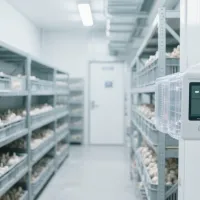
A: Ask for temperature logs from supplier to delivery point. Real-time monitoring via IoT sensors is now available and highly effective.
If you're serious about maintaining top-tier ingredients—and reducing waste—you don’t just need better suppliers. You need smarter storage strategies.
 492
|
492
|
 Grade A white garlic grading
High - quality garlic identification
White garlic quality standards
Garlic procurement techniques
Chinese - produced white garlic
Grade A white garlic grading
High - quality garlic identification
White garlic quality standards
Garlic procurement techniques
Chinese - produced white garlic
 191
|
natural healthy ginger
cooking ginger
ginger essential oil extraction
191
|
natural healthy ginger
cooking ginger
ginger essential oil extraction
 88
|
fresh garlic selection tips
garlic storage methods
mesh bag packaging benefits
garlic mold prevention
agricultural export packaging
88
|
fresh garlic selection tips
garlic storage methods
mesh bag packaging benefits
garlic mold prevention
agricultural export packaging
 483
|
High - quality garlic varieties
International cuisine garlic application
Kitchen garlic selection guide
Fresh garlic storage techniques
10kg mesh bag packaging
483
|
High - quality garlic varieties
International cuisine garlic application
Kitchen garlic selection guide
Fresh garlic storage techniques
10kg mesh bag packaging
 355
|
white garlic storage techniques
10kg mesh bag packaging
garlic freshness preservation
cold chain logistics for garlic
garlic quality assurance
355
|
white garlic storage techniques
10kg mesh bag packaging
garlic freshness preservation
cold chain logistics for garlic
garlic quality assurance


.png?x-oss-process=image/resize,h_600,m_lfit/format,webp)



.jpg?x-oss-process=image/resize,m_fill,h_200,w_200/format,webp)


.png?x-oss-process=image/resize,h_200,m_lfit/format,webp)





 TikTok
 Facebook