
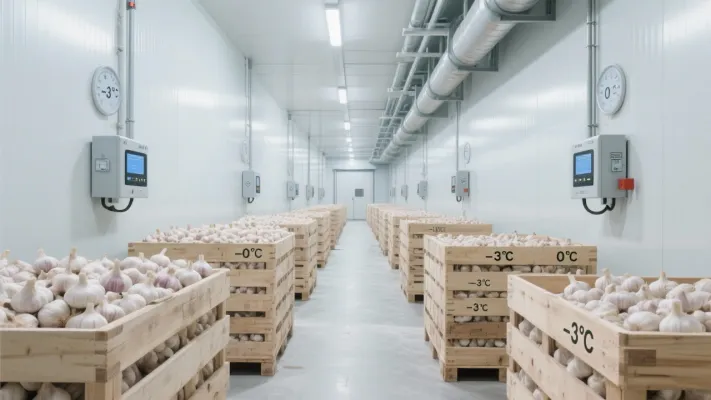
Have you ever wondered why, from the same batch of garlic, some restaurants enjoy fresh and plump cloves while others end up with sprouted and shriveled ones? This guide aims to provide you with a practical cold storage operation guide, helping you build a sustainable high - quality supply chain by controlling the quality from the source and creating a sustainable service experience.
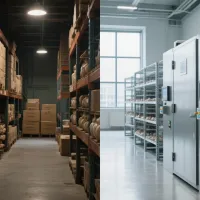
Agricultural research shows that the key to preserving garlic lies in precise temperature control. A professional cold storage facility maintains a temperature range between -3°C and 0°C. At this temperature, the activity of enzymes in garlic and the growth of microorganisms are effectively inhibited. According to research data, within this temperature range, the spoilage rate of garlic can be reduced by up to 70% compared to normal temperature storage.
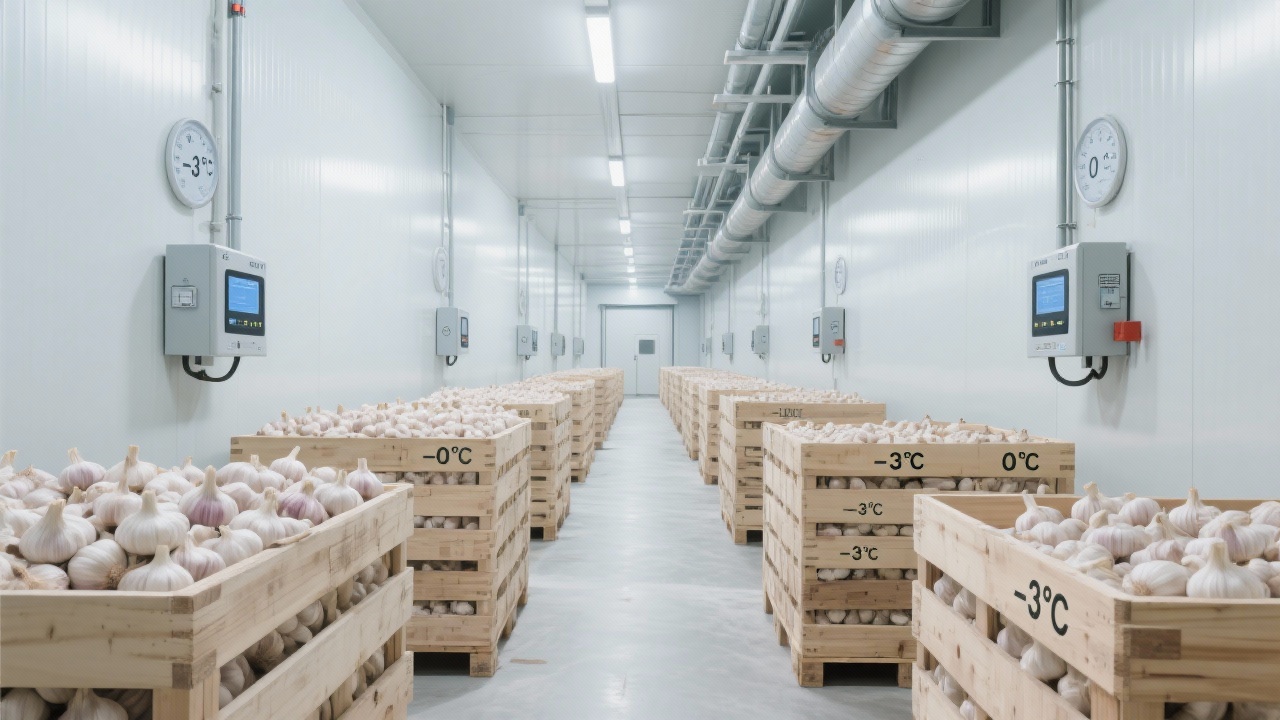
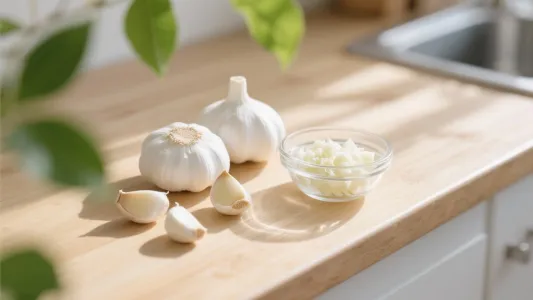
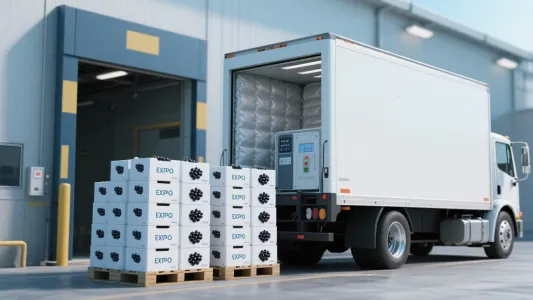
When it comes to warehousing, you need to ensure that the garlic is sorted and cleaned before entering the cold storage. Remove any damaged or diseased cloves to prevent the spread of spoilage. Once inside the cold storage, the garlic should be evenly distributed to ensure consistent temperature exposure. During the storage period, regular inspections are necessary. Check the temperature and humidity levels daily, and monitor the condition of the garlic weekly. When it comes to shipment, make sure the transportation process also maintains a low - temperature environment to avoid quality deterioration.
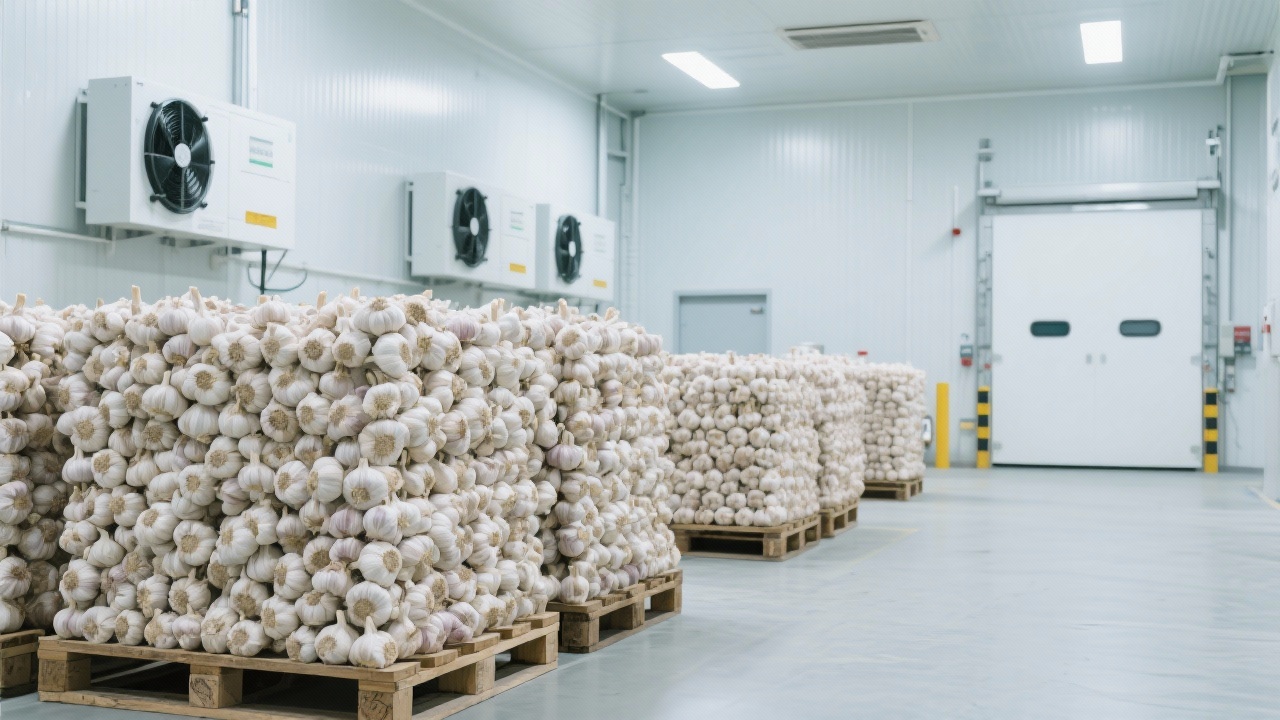
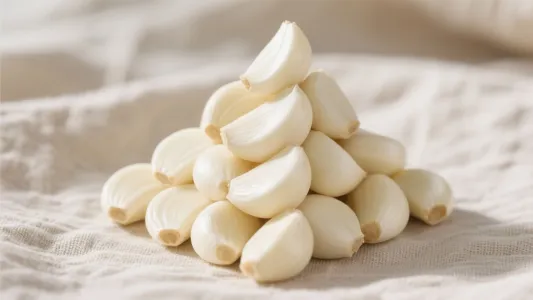
Packaging also plays a crucial role in garlic storage. Using 10 - kilogram mesh bags is an excellent choice. These bags provide good ventilation, which is essential for reducing the risk of cross - contamination. The combination of low - temperature storage and proper ventilation can significantly improve the stability of garlic quality. Research has found that garlic stored in mesh bags at low temperatures has a 90% chance of maintaining its original color, texture, and nutritional value after three months.
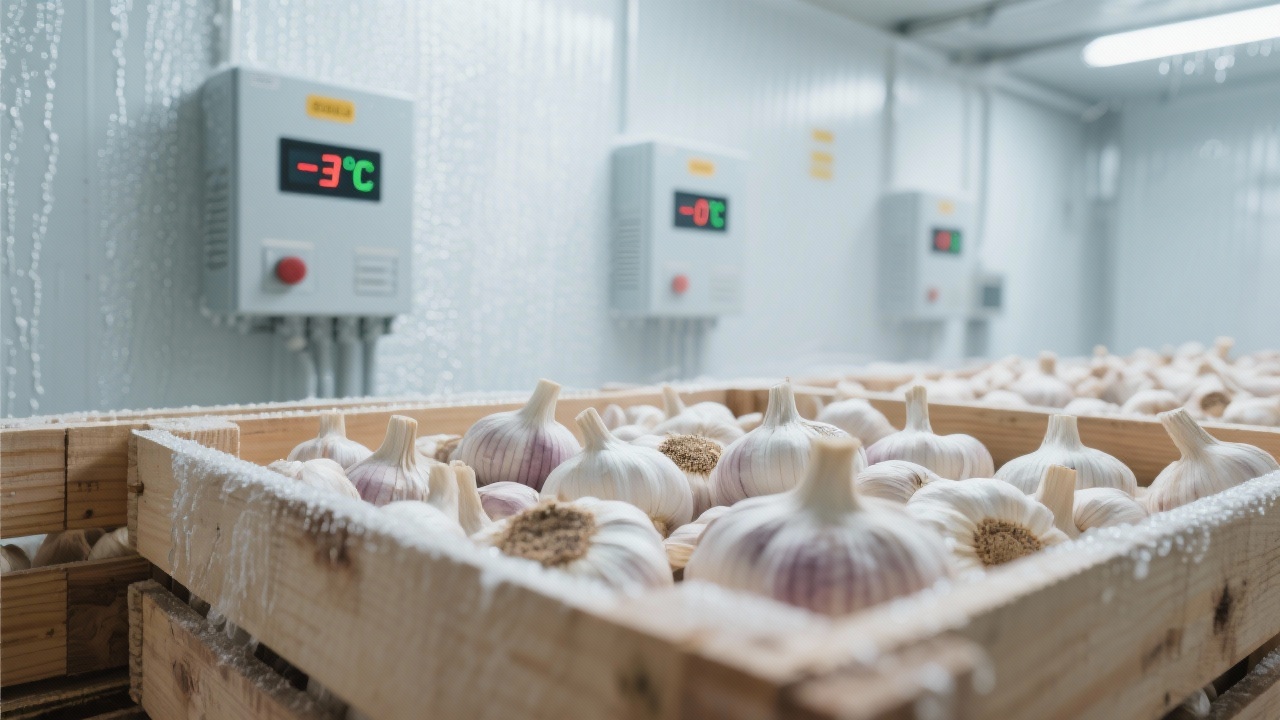
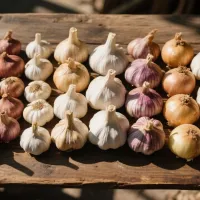
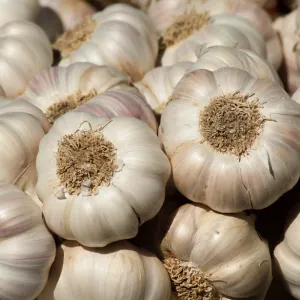
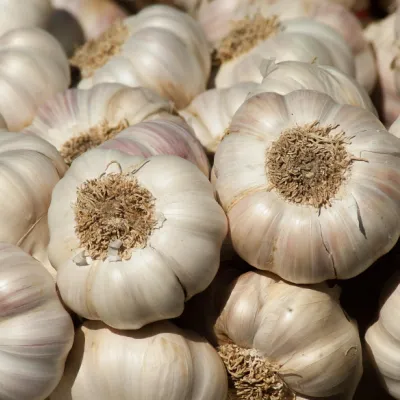
Let's consider a real - world scenario in a restaurant kitchen. When you use fresh, high - quality garlic, it adds a rich and authentic flavor to your dishes. On the contrary, if the garlic has sprouted or become dry, it not only affects the taste but also the overall quality of your food. By following the cold storage guidelines, you can ensure that the garlic you use in your kitchen is always at its best.
Q1: Can I store garlic at room temperature?
A: While it is possible to store garlic at room temperature for a short period, it is not recommended for long - term storage. Room temperature storage can lead to sprouting, drying, and spoilage. Cold storage at -3°C to 0°C is the best way to preserve garlic quality.
Q2: How often should I check the garlic in cold storage?
A: You should check the temperature and humidity levels daily and inspect the garlic's condition weekly to ensure everything is in order.
Q3: What if the garlic starts to show signs of spoilage in cold storage?
A: Immediately remove the spoiled garlic to prevent the spread of mold or bacteria to other cloves. Also, check the temperature and humidity conditions to make sure they are within the appropriate range.
Ready to transform your garlic storage and procurement strategy? Click here to learn more about how you can implement these cold storage techniques and build a sustainable high - quality supply chain!
 78
|
78
|
 imported white garlic quality assessment
grade A garlic standards
garlic grading criteria
premium garlic sourcing
garlic procurement decision making
imported white garlic quality assessment
grade A garlic standards
garlic grading criteria
premium garlic sourcing
garlic procurement decision making
 193
|
fresh garlic quality assessment
cold storage technology for garlic
garlic preservation methods
agricultural supply chain optimization
garlic selection guide
193
|
fresh garlic quality assessment
cold storage technology for garlic
garlic preservation methods
agricultural supply chain optimization
garlic selection guide
 253
|
ginger health benefits
functional food
natural therapy
immune enhancement
gingerol effect
253
|
ginger health benefits
functional food
natural therapy
immune enhancement
gingerol effect
 66
|
Garlic grading standards
Export garlic packaging
Selection of red and purple garlic
Agricultural product export experience
Garlic application scenarios
66
|
Garlic grading standards
Export garlic packaging
Selection of red and purple garlic
Agricultural product export experience
Garlic application scenarios
 169
|
fresh garlic
cold chain management
low - temperature storage
garlic preservation
mesh bag packaging
169
|
fresh garlic
cold chain management
low - temperature storage
garlic preservation
mesh bag packaging

.png?x-oss-process=image/resize,h_600,m_lfit/format,webp)





.png?x-oss-process=image/resize,h_200,m_lfit/format,webp)





 TikTok
 Facebook