
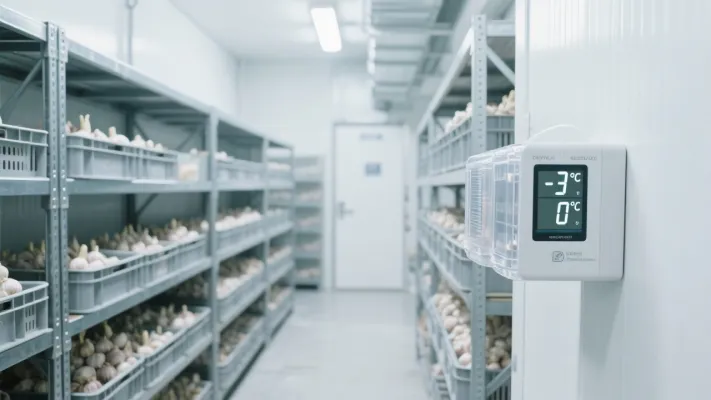
Maintaining the quality of garlic throughout the export supply chain remains a critical challenge for producers and suppliers worldwide, especially under high-temperature conditions. Conventional storage methods often fall short in suppressing microbial growth and enzymatic degradation, leading to diminished product freshness, compromised appearance, and nutritional loss. This article examines how professional cold storage, particularly maintaining temperatures between -3°C to 0°C, plays a pivotal role in preserving garlic’s quality by effectively inhibiting microbial activity and slowing metabolism.
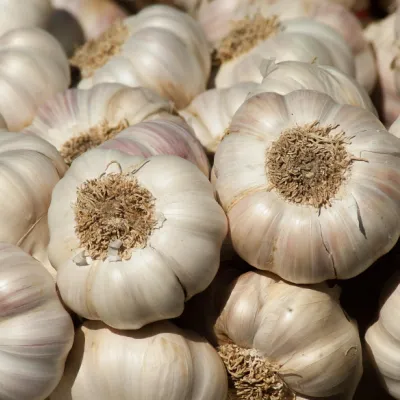
Research from agricultural science institutions highlights that storing garlic within the narrow temperature band of -3°C to 0°C creates an optimal environment that significantly retards physiological processes such as respiration and enzymatic reactions. This temperature range effectively curbs the proliferation of microorganisms — primarily bacteria and molds responsible for spoilage — reducing decay rates by up to 75% compared to ambient storage conditions at 20°C or above.1 Furthermore, low temperatures stabilize the texture and maintain the natural bright coloration of garlic cloves, preventing the common issues of sprouting and softening linked to prolonged shelf times.
In terms of postharvest preservation, the suppression of ethylene production and enzyme activities under this cold environment is crucial for long-duration shelf life. Controlled studies showed that garlic stored at these temperatures retained more than 90% of its alliin content—a key compound contributing to its pungency and health benefits—after three months, whereas ambient storage resulted in a loss exceeding 40%.2
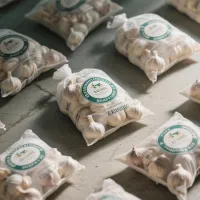
Beyond temperature control, packaging plays a vital complementary role in preserving garlic quality. The adoption of 10-kilogram mesh bags enhances airflow and ventilation around the garlic bulbs, preventing moisture accumulation — a primary catalyst for microbial growth and fungal contamination. This packaging form factor promotes an even cold distribution throughout the load, minimizing hot spots that compromise product integrity.3 The mesh bags' porous nature serves as a physical barrier, mitigating cross-contamination risks that can occur during handling, transportation, and storage. When combined with rigorous cold-chain management, this synergy leads to lower incidence rates of mold and bacterial infections compared to bulk loose storage or sealed plastic packaging.
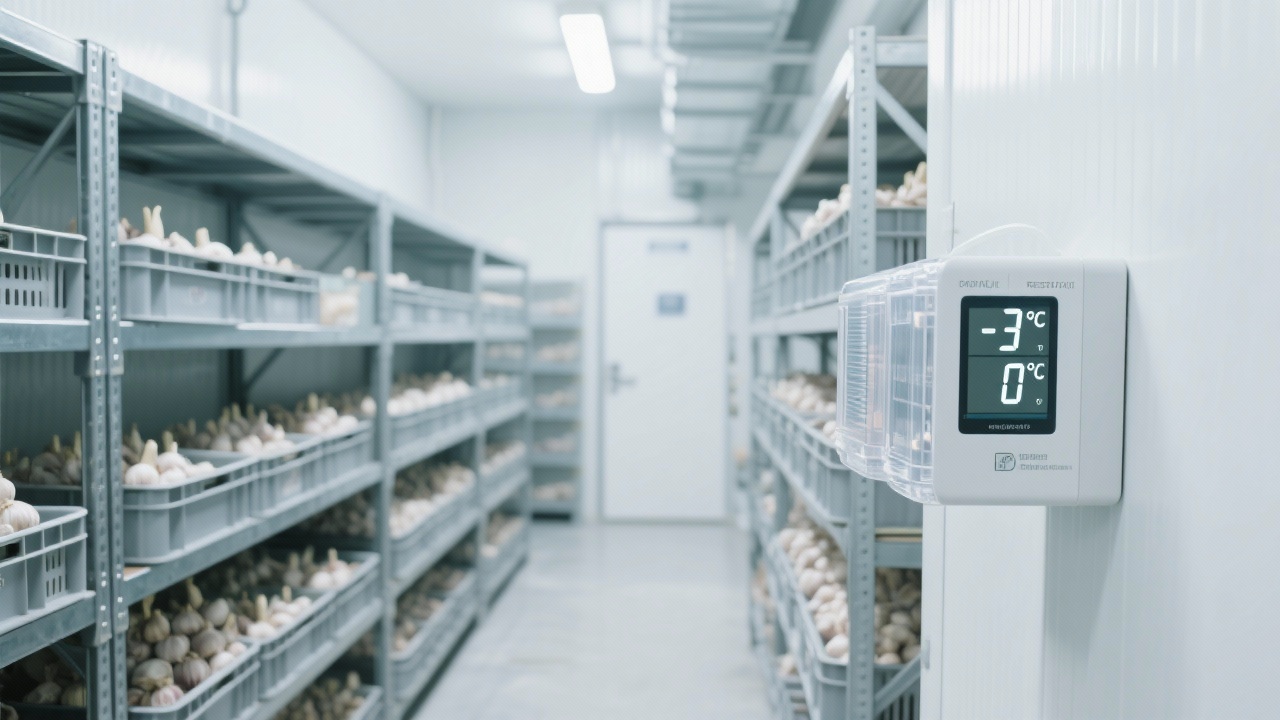
For supply chain leaders and restaurant managers handling large-volume garlic supplies, integrating advanced cold storage solutions with optimized packaging translates directly into extended shelf life, reduced waste, and consistent product quality. These improvements foster enhanced end-customer satisfaction—crucial in an era where food quality is a key competitive differentiator.
Moreover, leveraging real-time temperature and humidity monitoring paired with inventory rotation systems ensures that cold-stored garlic maintains peak freshness upon delivery. Data collected from pilot cold-chain implementations demonstrates a 20–30% reduction in spoilage losses, driving cost savings and sustainable waste management.4
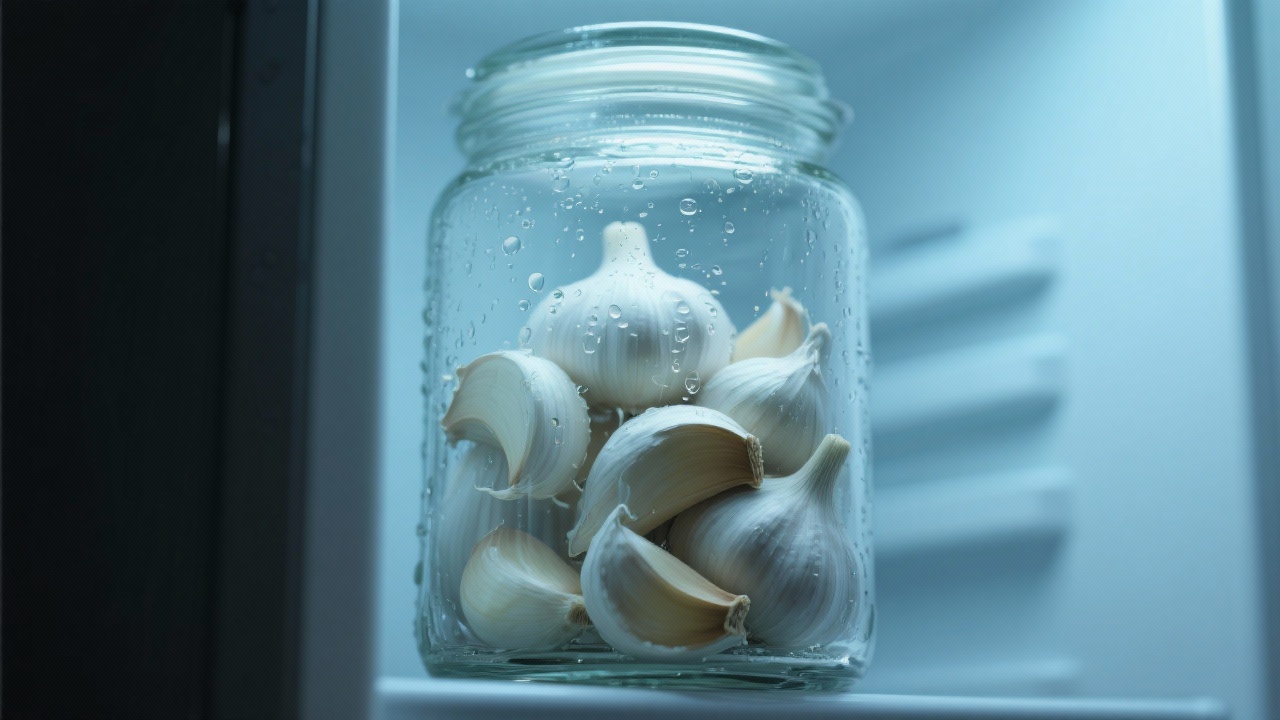
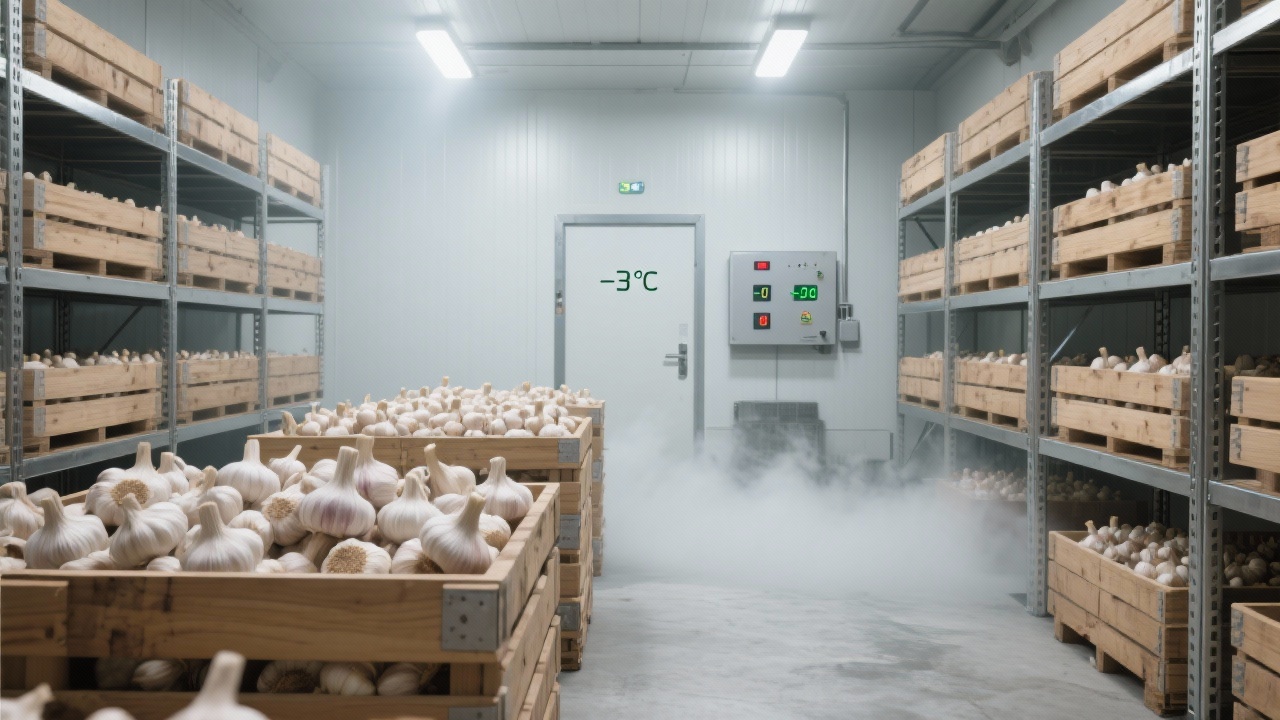
This evidence-based approach reinforces the strategic value of cold storage and packaging innovations in optimizing the garlic export process. The resulting improvements in product consistency not only strengthen supplier reputation but also build more reliable partnerships within the global foodservice industry.
 400
|
400
|
 Grade A white garlic grading standards
Garlic quality detection methods
White garlic procurement guide
High - quality garlic identification skills
Agricultural product quality standards
Grade A white garlic grading standards
Garlic quality detection methods
White garlic procurement guide
High - quality garlic identification skills
Agricultural product quality standards
 409
|
organic ginger essential oil
ginger extraction methods
ginger health benefits
culinary ginger usage
cold press ginger oil
409
|
organic ginger essential oil
ginger extraction methods
ginger health benefits
culinary ginger usage
cold press ginger oil
 215
|
garlic sea freight moisture control
10kg mesh bag packaging
cross-border food logistics optimization
cold chain anti-mold technology
agricultural export packaging solutions
215
|
garlic sea freight moisture control
10kg mesh bag packaging
cross-border food logistics optimization
cold chain anti-mold technology
agricultural export packaging solutions
 288
|
garlic cold chain temperature control
agricultural cold storage technology
cold chain management benefits
garlic export preservation guide
HACCP cold chain compliance
288
|
garlic cold chain temperature control
agricultural cold storage technology
cold chain management benefits
garlic export preservation guide
HACCP cold chain compliance
 227
|
garlic cold chain storage
low temperature preservation technology
mold and sprout prevention
mesh bag packaging benefits
fresh garlic shelf life extension
227
|
garlic cold chain storage
low temperature preservation technology
mold and sprout prevention
mesh bag packaging benefits
fresh garlic shelf life extension
.png?x-oss-process=image/resize,h_600,m_lfit/format,webp)



.jpg?x-oss-process=image/resize,m_fill,h_200,w_200/format,webp)



.png?x-oss-process=image/resize,h_200,m_lfit/format,webp)





 TikTok
 Facebook