
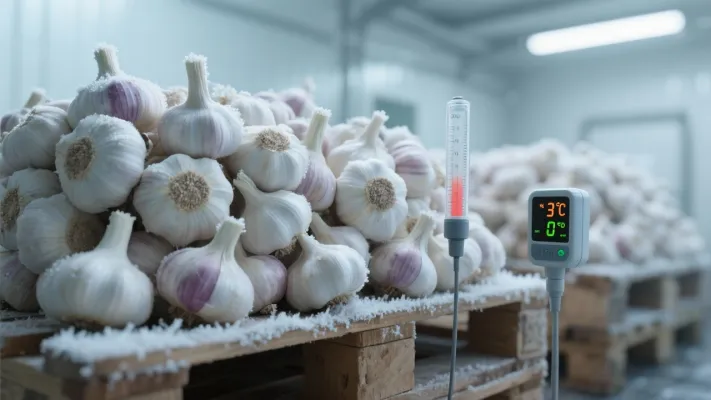
For chefs and restaurant owners across the Middle East, maintaining ingredient freshness isn’t just a preference—it’s a standard. Among the most frequently used staples, garlic stands out not only for its flavor but also for how quickly it deteriorates if improperly stored. In fact, studies from the Food Engineering Research Institute (FERI) show that up to 30% of garlic stored at suboptimal temperatures in commercial kitchens can spoil within two weeks—leading to unnecessary waste and inconsistent dish quality.
Research published in the Journal of Food Preservation confirms that storing garlic between -3°C and 0°C significantly slows down respiration rates, reducing sprouting and microbial growth. At this range, garlic enters a state of metabolic dormancy—slowing enzymatic activity while preserving texture and aroma. This is especially critical in hot climates like Dubai or Riyadh, where ambient temperatures often exceed 40°C, making proper cold chain management non-negotiable.
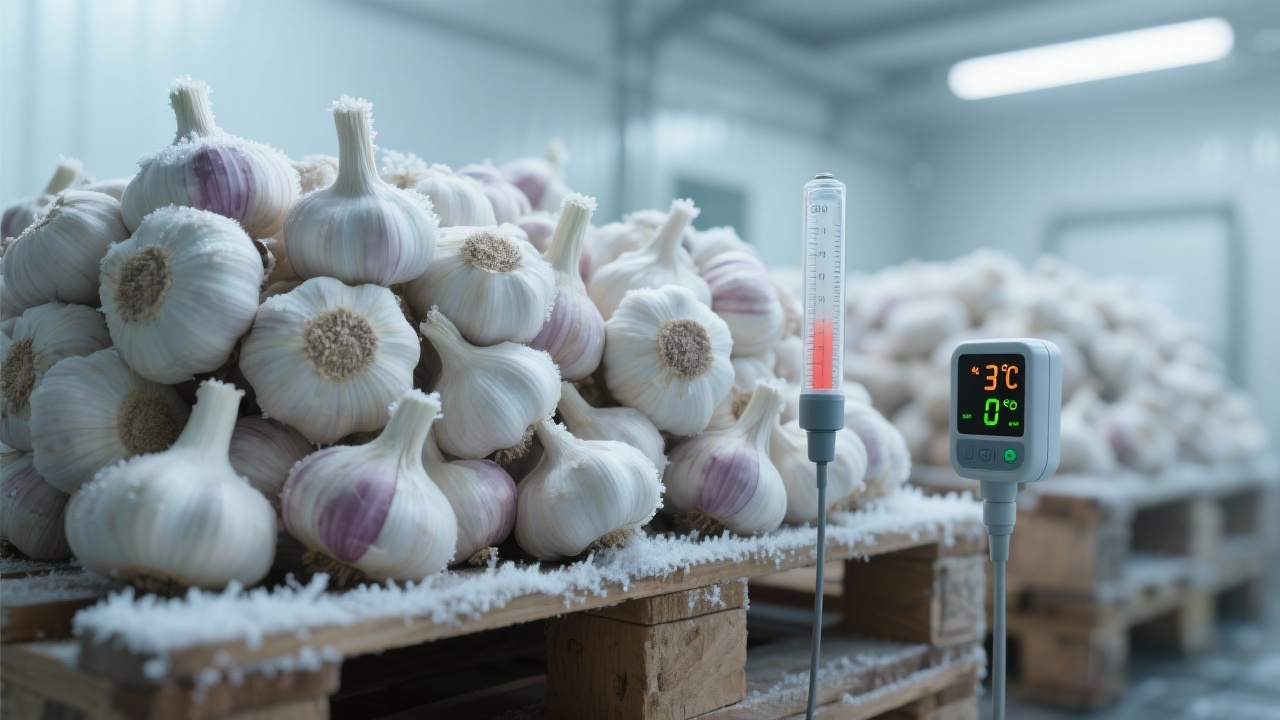
Even with precise temperature control, improper humidity levels can lead to condensation—a breeding ground for mold and decay. Experts recommend maintaining relative humidity between 65% and 75%. Additionally, effective ventilation prevents cold air stagnation and minimizes moisture buildup inside storage units. A study by the UAE Ministry of Climate Change found that restaurants using forced-air circulation systems saw a 15–25% reduction in produce loss over three months compared to those without.
Smart stacking practices matter too. Avoid overcrowding; instead, use open trays or wire racks with 5–10 cm gaps between layers to ensure uniform airflow. This simple step alone can extend shelf life by up to 10 days, according to field trials conducted in Qatar’s food service sector.
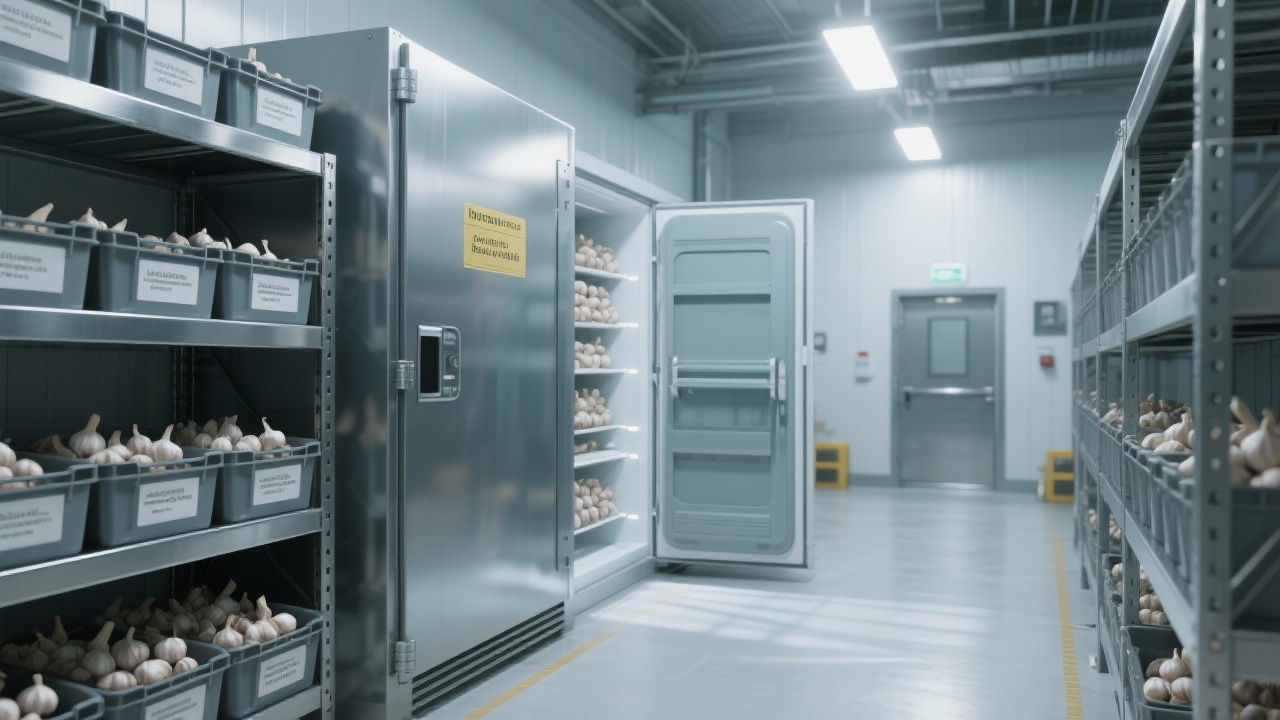
A case in point: Al-Masri Bistro in Dubai implemented a standardized garlic storage SOP based on these principles. Within one month, they reduced garlic wastage from 22% to just 6%, saving an estimated $1,200 monthly in raw material costs. Their secret? Daily monitoring of temperature logs, weekly cleaning of cold rooms, and staff training on handling protocols.
If you’re managing a kitchen or procurement team in the region, start by auditing your current cold storage setup. Check if your unit maintains consistent temps, has adequate humidity control, and allows for good airflow. Then build a simple checklist—like the one we’ve developed for our partners—to turn theory into daily practice.
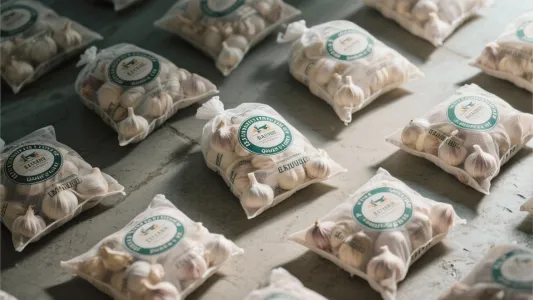
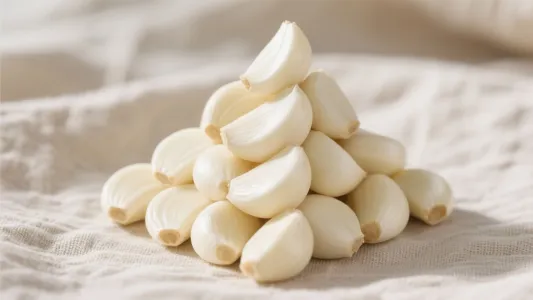
Pro Tip: Always store garlic in breathable packaging—like our 10kg net bags—to prevent moisture trapping and maintain crispness throughout transport and storage. It’s a small detail that makes a big difference in both shelf life and chef satisfaction.
Ready to take your garlic supply chain to the next level?
Discover Our Premium Garlic Range – Trusted by Top Chefs Across the Gulf
 89
|
89
|
 garlic quality improvement
soil amendment for garlic
optimal garlic harvest time
cold chain logistics for garlic
year-round garlic supply
garlic quality improvement
soil amendment for garlic
optimal garlic harvest time
cold chain logistics for garlic
year-round garlic supply
 409
|
organic ginger essential oil
ginger extraction methods
ginger health benefits
culinary ginger usage
cold press ginger oil
409
|
organic ginger essential oil
ginger extraction methods
ginger health benefits
culinary ginger usage
cold press ginger oil
 252
|
ginger health benefits
functional food
natural therapy
immune enhancement
gingerol effect
252
|
ginger health benefits
functional food
natural therapy
immune enhancement
gingerol effect
 432
|
garlic transport packaging
10kg mesh bag
reduce garlic mold
cold chain logistics
sustainable packaging solutions
432
|
garlic transport packaging
10kg mesh bag
reduce garlic mold
cold chain logistics
sustainable packaging solutions
 169
|
fresh garlic
cold chain management
low - temperature storage
garlic preservation
mesh bag packaging
169
|
fresh garlic
cold chain management
low - temperature storage
garlic preservation
mesh bag packaging


.png?x-oss-process=image/resize,h_600,m_lfit/format,webp)





_(2).jpg?x-oss-process=image/resize,m_fill,h_200,w_200/format,webp)

.png?x-oss-process=image/resize,h_200,m_lfit/format,webp)





 TikTok
 Facebook