

In today's global agricultural supply chain, maintaining product integrity during transportation is paramount, especially for sensitive products like garlic. Effective cold chain management is the pivotal link that ensures freshness, flavor, and nutritional value. This guide delves into why the specific temperature range of -3℃ to 0℃ is scientifically optimal for garlic preservation during export, highlighting advanced temperature control techniques and international compliance standards that empower exporters, logistics operators, and buyers to optimize their supply chains.
Garlic’s biological composition presents unique challenges to cold storage. Temperatures below freezing (< 0℃) risk cellular damage, while warmer conditions accelerate sprouting and microbial growth. Studies have demonstrated that maintaining a narrow cold chain window between -3℃ and 0℃ strikes a balance that inhibits enzymatic activity and microbial proliferation without causing frost damage. This temperature range reduces respiration rates by up to 40%, effectively slowing senescence while preserving key nutrients such as allicin and vitamin C, critical for garlic’s health benefits and aroma.
Research indicates that improper storage temperatures outside this range can increase post-harvest losses by as much as 25%-35%, primarily due to mold development and sprouting. Maintaining consistent temperature control also retains garlic’s firmness and inhibits off-flavors caused by lipid oxidation, ensuring the product that reaches international buyers meets their sensory expectations.
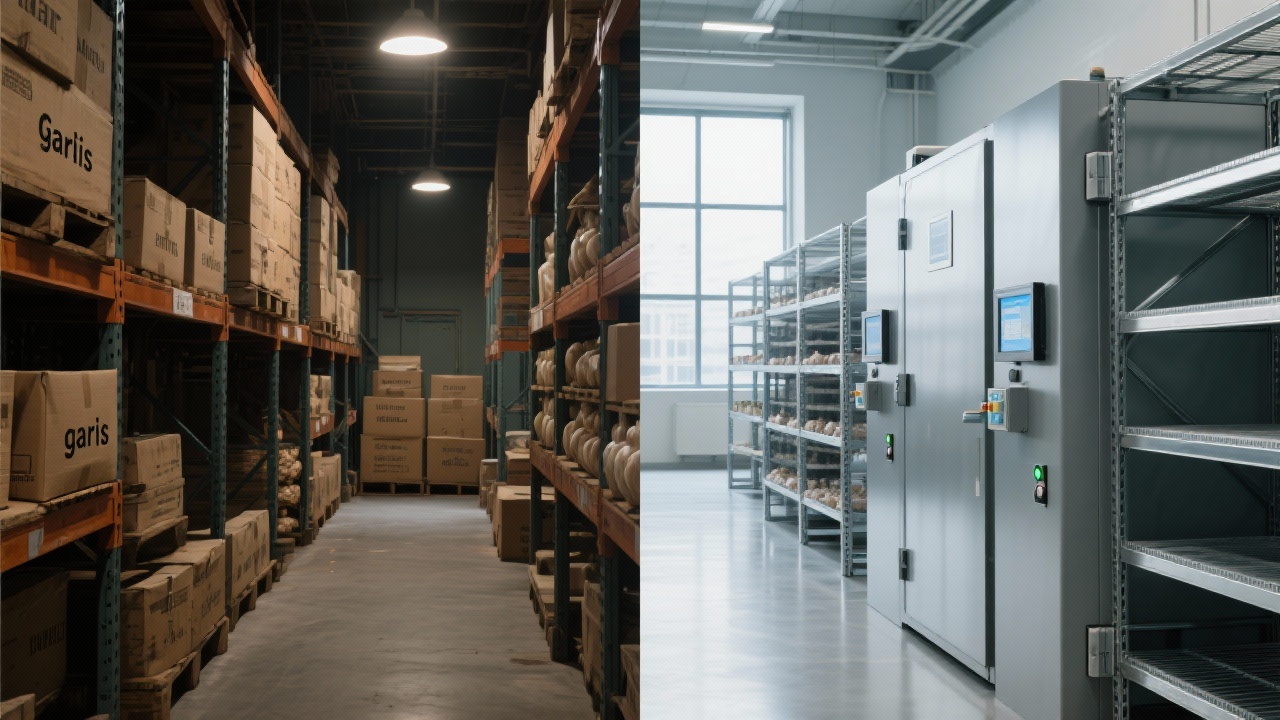
Conventional warehouse storage typically relies on ambient cooling or uncontrolled refrigeration, leading to fluctuating temperatures and humidity levels. This instability results in high spoilage rates — estimates show up to 30% loss in garlic quality due to uneven conditions and microbial contamination. Modern cold chain management incorporates continuous temperature monitoring and rapid response protocols that not only stabilize temperatures within the critical -3℃ to 0℃ window but also leverage controlled humidity levels (around 65-70%) to minimize dehydration.
The adoption of IoT-enabled sensors and cloud-based tracking provides real-time visibility across transit and storage phases, enabling proactive interventions that dramatically reduce waste. For example, a key exporter in Spain recorded a 23% reduction in spoilage and a >15% improvement in customer satisfaction scores after implementing a compliant cold chain protocol following HACCP standards.

Cold chain temperatures directly influence microbial dynamics during garlic export. The targeted range between -3℃ and 0℃ suppresses common fungal genera like Botrytis and Penicillium, notorious for causing rot and off-odor in garlic bulbs. Maintaining this cold environment reduces microbial growth rate by approximately 65% compared to insufficient cooling methods.
Additionally, key antioxidants and sulfur-containing compounds responsible for garlic’s medicinal qualities are preserved better under this regime. Controlled temperature prevents premature bulb sprouting, a factor known to degrade these bioactive compounds, ensuring exported garlic retains not only appearance but also functional value for end consumers.
Adherence to HACCP protocols and other international cold chain standards is no longer optional for quality garlic exporters targeting global markets. The codified requirements emphasize precise temperature documentation, risk assessment, and validated corrective actions—particularly critical within the -3℃ to 0℃ temperature window for garlic.
Implementing validated cold chain controls ensures not only product safety but also compliance with increasingly stringent import regulations across the EU, North America, and East Asia. Aligning internal operations with these standards improves brand credibility and buyer confidence, driving long-term business growth in demanding B2B markets.
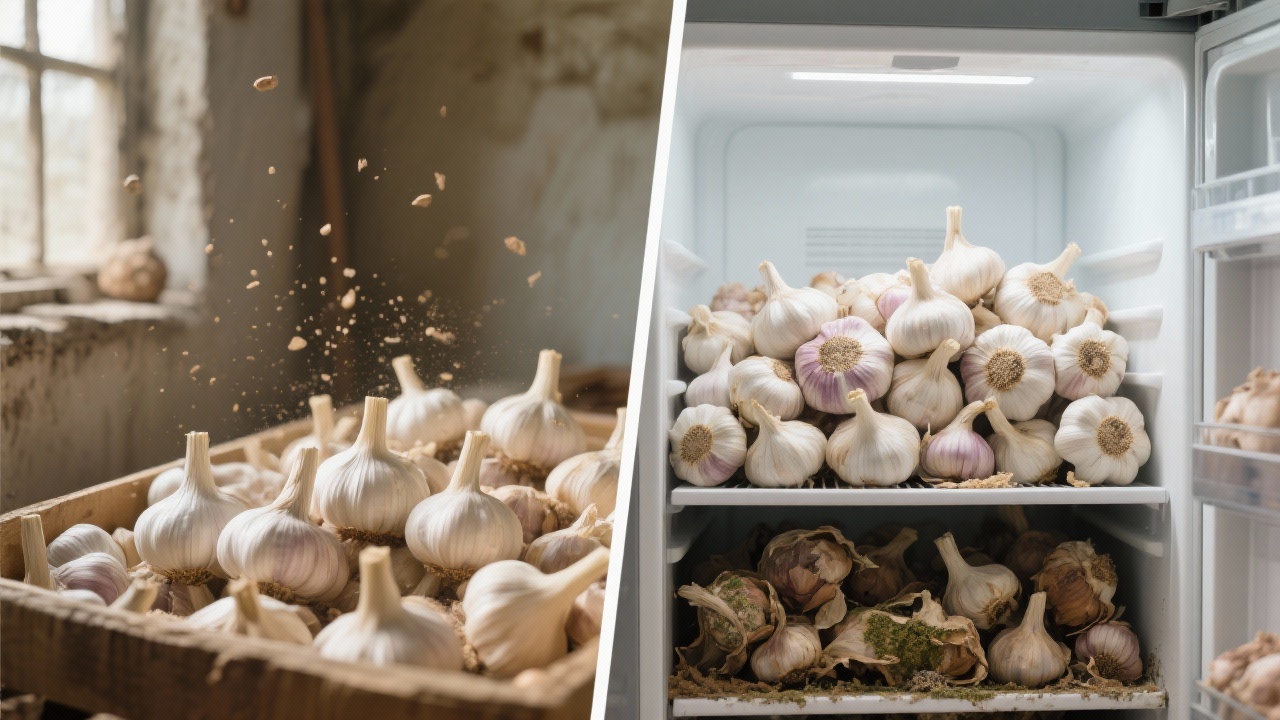
In 2022, a prominent Chinese garlic exporter experienced significant losses during a shipment to the European Union due to malfunctioning refrigeration. Temperatures fluctuated above 5℃, resulting in a 28% spoilage rate caused by sprouting and fungal growth. After adopting an integrated cold chain management approach focusing on maintaining -3℃ to 0℃ through IoT sensors, HACCP certification, and staff training, the same exporter reported a 19% increase in product shelf life and reduced cold chain losses below 5% during the 2023 season.
This operational upgrade also enhanced traceability, helping customers verify product quality upon arrival and boosting repeat order rates by over 12%.
Discover how to evaluate whether your cold chain system truly meets these critical standards. Get your professional self-audit checklist now to optimize temperature control, safeguard product quality, and maximize customer satisfaction.
Access Your Cold Chain Self-Audit Checklist.png?x-oss-process=image/resize,h_600,m_lfit/format,webp)




.png?x-oss-process=image/resize,h_200,m_lfit/format,webp)





 TikTok
 Facebook