
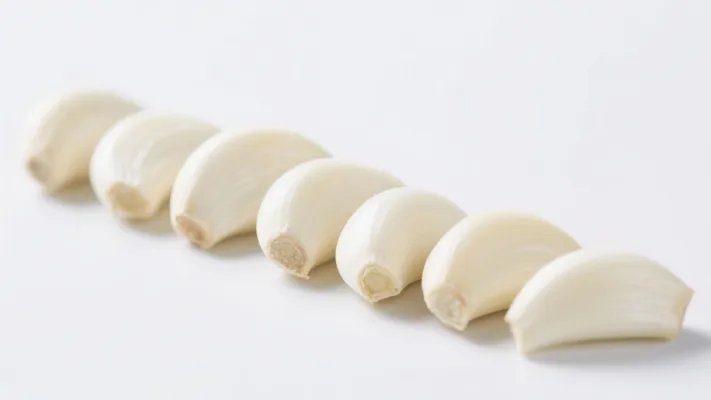
Navigating the rigorous quality demands of the European fresh garlic market requires a deep understanding of preservation science and optimized storage techniques. This guide unveils how maintaining a precise cold chain temperature between -3°C and 0°C dramatically extends shelf life by suppressing metabolic processes, inhibiting fungal growth, and delaying sprouting — all while preserving critical sulfur compounds and antioxidants.
European buyers emphasize freshness, visual appeal, and nutritional integrity. However, garlic is prone to moisture-induced mold, rapid sprout development, and quality degradation when improperly stored. Traditional cold storage alone often falls short in preventing these issues, causing supply chain disruptions and revenue loss for suppliers and distributors.
At temperatures from -3°C to 0°C, garlic’s respiratory rate slows significantly. Research indicates that metabolic activity decreases by over 40% within this range, which stalls aging processes and fungal proliferation.
| Temperature Range | Respiration Rate Reduction (%) | Shelf Life Extension (weeks) |
|---|---|---|
| +4°C to +6°C | 15-25% | 2-3 |
| -3°C to 0°C | 40-50% | 8-12 |
Scientific insight: “Storage at -2°C reduces microbial growth rates by up to 60% and sprouting incidence by 80%, based on recent European Agricultural University trials (2023).”
The packaging design significantly contributes to storage success. Utilizing 10-kg net bags made from breathable polypropylene mesh ensures superior ventilation, mitigating moisture accumulation — a primary trigger for mold development. Moreover, these bags minimize mechanical damage by distributing weight evenly, preserving clove integrity during handling and transport.
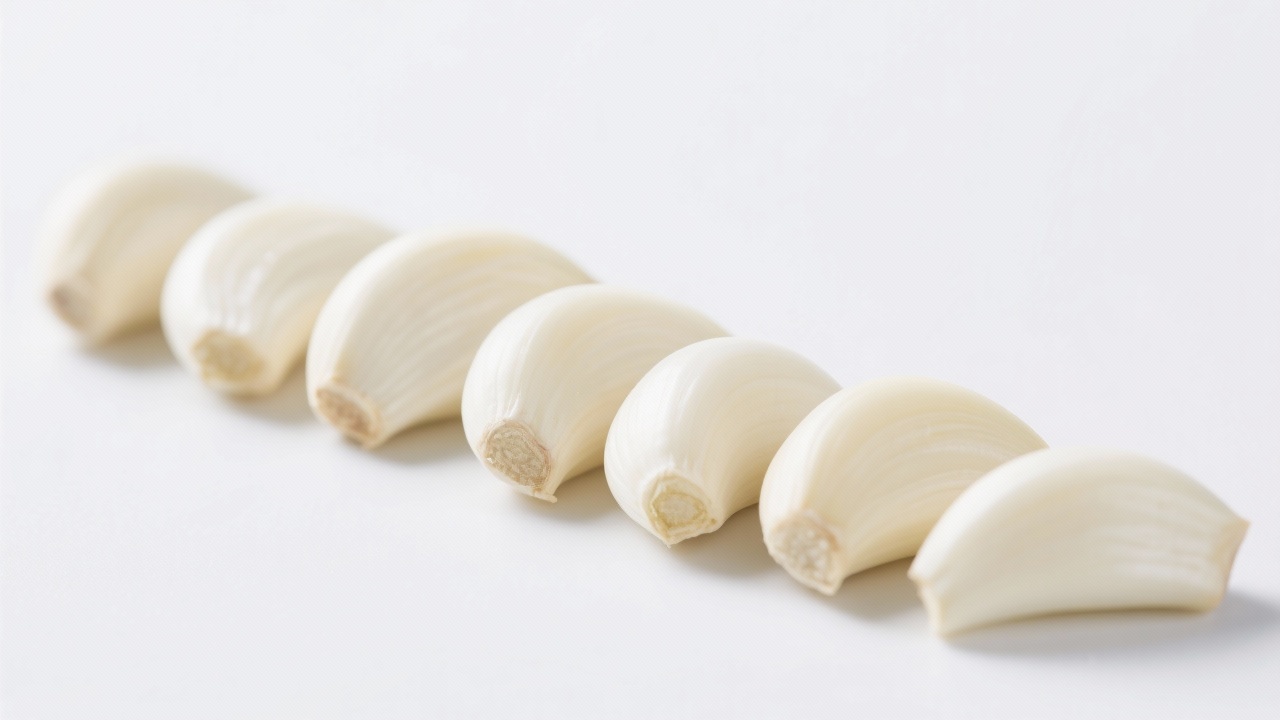
Leading European agricultural suppliers, operating cold chain warehouses with strict temperature controls and active humidity monitoring, have reported annual spoilage reductions exceeding 35%. By integrating temperature alarms, automated ventilation adjustments, and routine quality audits, continuous supply stability has been achieved—ensuring months-long product availability from single harvests.
Maintaining proper cold conditions prevents the premature breakdown of garlic’s critical bioactive substances, such as allicin-derived sulfur compounds and polyphenolic antioxidants. These molecules contribute not only to flavor and aroma but also to the health benefits highly valued in European markets. Studies reveal that improper storage at temperatures above 4°C causes a 20% faster decline in total sulfur content within six weeks.
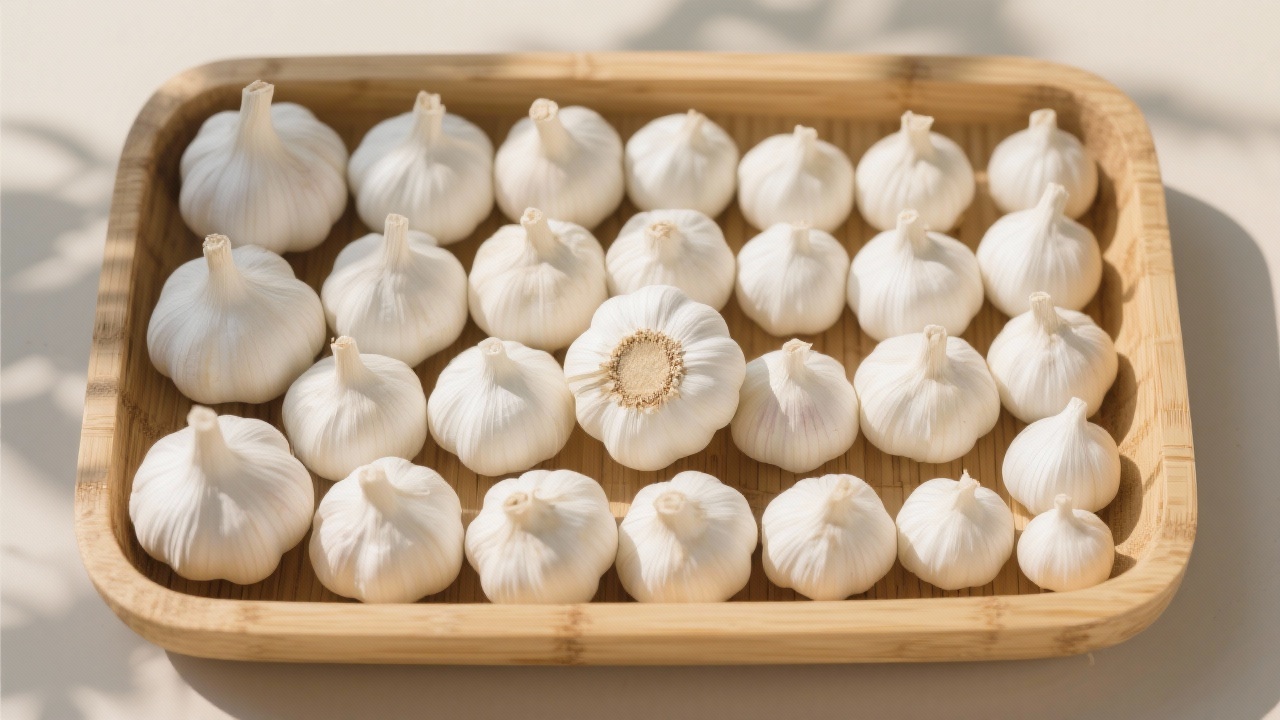
Implementing these best practices can significantly elevate your supply chain efficiency and product quality, fostering stronger relationships with demanding European customers.
.png?x-oss-process=image/resize,h_600,m_lfit/format,webp)


.png?x-oss-process=image/resize,h_200,m_lfit/format,webp)





 TikTok
 Facebook