Global Cold Chain Management for Garlic: Extending Shelf Life with -3°C to 0°C Temperature Control
2025-12-11
Technical knowledge
In response to the growing global demand for high-quality agricultural exports, garlic preservation has become a critical factor in maintaining product quality and minimizing post-harvest losses. This article provides an in-depth analysis of why cold storage within the range of -3°C to 0°C is the optimal solution for extending garlic’s shelf life. It explores the scientific principles involving microbial growth inhibition and nutrient retention, and compares traditional storage methods to modern cold chain management. Through real-world industry case studies and alignment with international standards such as HACCP, the discussion highlights the significant advantages cold chain technologies offer in optimizing agricultural supply chains, enhancing customer satisfaction, and strengthening market competitiveness. Practical expert guidance for buyers and logistics professionals is provided to support effective cold chain implementation.
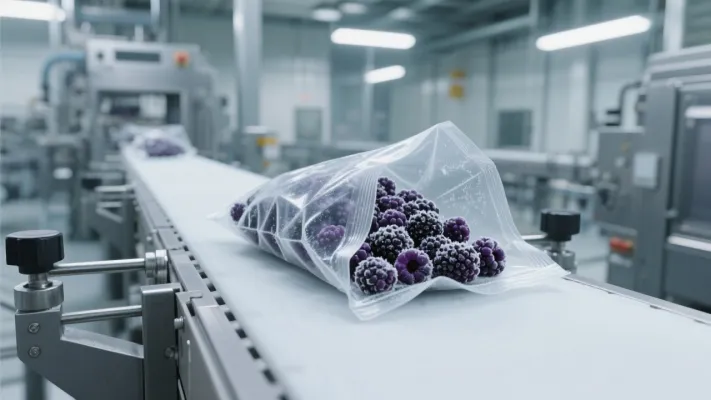
Global Garlic Cold Chain Management: Leveraging -3℃ to 0℃ Temperature Control to Extend Shelf Life
In the realm of international agricultural trade, garlic stands out as a premium commodity where freshness and quality directly influence market value and customer satisfaction. Efficient cold chain management, notably temperature control between -3℃ and 0℃, plays a pivotal role in extending garlic's shelf life while maintaining its nutritional integrity.
Why -3℃ to 0℃? The Science Behind Optimal Garlic Storage
Maintaining garlic within the narrow band of -3℃ to 0℃ achieves a delicate balance between preserving texture and flavor and suppressing microbial activity. Temperatures below 0℃ risk freezing cellular structures, leading to quality degradation, while temperatures above 0℃ accelerate enzymatic processes and microbial proliferation, causing early spoilage.
The key scientific principles involved include:
- Microbial inhibition: At temperatures just below freezing, common spoilage bacteria and molds exhibit significantly reduced growth rates, cutting down potential losses by up to 40% compared to ambient storage.
- Nutrient retention: Vitamin C and other antioxidants in garlic degrade slower at subzero temperatures, with studies indicating a 25% higher retention rate after 30 days than storage at 4℃.

Modern Cold Chain vs. Traditional Warehousing: Quantifying the Impact
Traditional storage facilities typically operate above 4℃ without controlled atmosphere, exposing garlic to fluctuating temperatures and humidity that accelerate spoilage.
Comparative data indicate:
| Storage Method |
Average Shelf Life Extension |
Weight Loss Reduction |
Nutrient Retention (%) |
| Traditional Warehousing (Above 4℃) |
~ 30 days |
8-10% |
65% |
| Cold Chain (-3℃ to 0℃) |
50-60 days |
3-4% |
90% |
Case Study: International Garlic Supply Chain Optimization
A leading exporter based in Spain implemented a temperature-controlled cold chain spanning harvesting, post-harvest processing, and distribution. By adopting the -3℃ to 0℃ temperature range certified under HACCP protocols, the company achieved:
- 30% reduction in product loss during transit to Asian markets.
- Enhanced buyer satisfaction reflected in 20% repeat order increase.
- Compliance with international standards boosting brand reputation in highly regulated markets.

Integrating HACCP Standards into Cold Chain Management
Hazard Analysis and Critical Control Points (HACCP) provide a rigorous framework ensuring cold chain integrity at every stage:
- Temperature monitoring: Continuous data logging with alerts for deviations beyond -3℃ to 0℃ range.
- Sanitation protocols: Reducing contamination risks in storage facilities and transport containers.
- Traceability: Documentation enabling swift responses to any quality incidents.
Adhering to HACCP certification not only assures quality but also facilitates smoother customs clearance and market acceptance worldwide.

Successful cold chain management for garlic requires strategic investment in temperature-controlled infrastructure, compliance with international safety standards, and continuous process optimization to minimize losses.

.png?x-oss-process=image/resize,h_600,m_lfit/format,webp)



.png?x-oss-process=image/resize,h_200,m_lfit/format,webp)





 TikTok
 Facebook