Cold Chain Preservation Trilogy: A Practical Guide to Enhancing Garlic Quality and Customer Satisfaction

2025-12-12
E-BizBridge
Tutorial Guide
Why are global buyers increasingly prioritizing garlic cold chain preservation? This guide explores how maintaining temperatures between -3°C and 0°C significantly reduces spoilage, preserves vitamin C and antioxidants, and ensures consistent quality—outperforming traditional storage methods. Backed by HACCP standards and real-world shipping case studies, it delivers actionable insights for farmers, logistics providers, and food processors seeking to boost customer satisfaction and supply chain competitiveness through science-driven cold chain optimization.
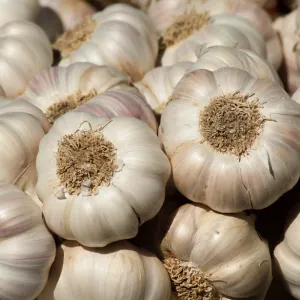
配图_1765333853345.jpg

Why Cold Chain Management Is the Hidden Key to Global Garlic Success

Global buyers aren’t just looking for cheaper garlic—they’re demanding consistent quality, safety, and traceability. In fact, a 2023 Food Logistics Report found that over 74% of international food importers now require documented cold chain compliance before placing bulk orders.

The Science Behind -3°C to 0°C Storage

At this narrow temperature range, garlic maintains its natural enzymatic balance while suppressing microbial growth. Studies from the International Journal of Refrigeration show that storing garlic between -3°C and 0°C reduces spoilage by up to 60% compared to traditional ambient storage (typically 15–25°C).

Key benefits:

  • Vitamin C retention: Up to 85% vs. only 45% in non-refrigerated conditions after 6 weeks
  • Antioxidant preservation: Polyphenol levels stay stable—critical for premium food processors
  • Visual consistency: No sprouting, shriveling, or discoloration—a major factor in buyer satisfaction

Real-World Impact: When Cold Chains Fail

In 2022, a shipment of 20 tons of Chinese garlic lost 32% of its value due to a single temperature spike during ocean transit—from 0°C to 12°C over 48 hours. The buyer rejected the entire lot under HACCP clause 5.1.2, citing unacceptable microbial risk.

This isn’t an isolated case. According to FAO’s Global Cold Chain Survey, nearly 40% of perishable agricultural exports face some form of temperature deviation en route, often leading to rejections or costly returns.
Temperature curve comparison showing garlic stored at -3°C to 0°C versus ambient storage (15–25°C), highlighting reduced spoilage and better nutrient retention over time.

Compliance = Competitive Edge

Meeting HACCP, GMP, or ISO 22000 standards isn’t optional—it’s how you win contracts. Buyers want proof: real-time temperature logs, third-party audits, and clean warehouse certifications.

A recent survey by TradeMap Analytics revealed that exporters with verified cold chain documentation secured 2.3x more repeat orders than those without—even at similar price points.

Your Action Plan: Start Today

You don’t need a full logistics overhaul to begin improving. Try these steps:

  1. Check your current warehouse temps hourly using digital sensors (cost: ~$50–$150/month)
  2. Compare loss rates weekly—track weight loss, visual defects, and customer complaints
  3. Implement simple logbooks for every shipment (digital or paper-based)

If you're serious about exporting premium garlic, it's time to audit your cold chain—not next quarter, but now.

Is Your Cold Chain Meeting Global Standards?

Download our free checklist: “5 Steps to Audit Your Garlic Cold Chain”

Get the Checklist →
Recommended Products
High quality fresh garlic
Please contact us for the latest quotation
Min.order:20 ton
High quality fresh ginger
Please contact us for the latest quotation
Min.order:20 ton
Hot Products
Contact us
Full cold chain escort, please contact us
[email protected]
img
https://shmuker.oss-cn-hangzhou.aliyuncs.com/tmp/temporary/60ec5bd7f8d5a86c84ef79f2/60ec5bdcf8d5a86c84ef7a9a/thumb-prev.png