
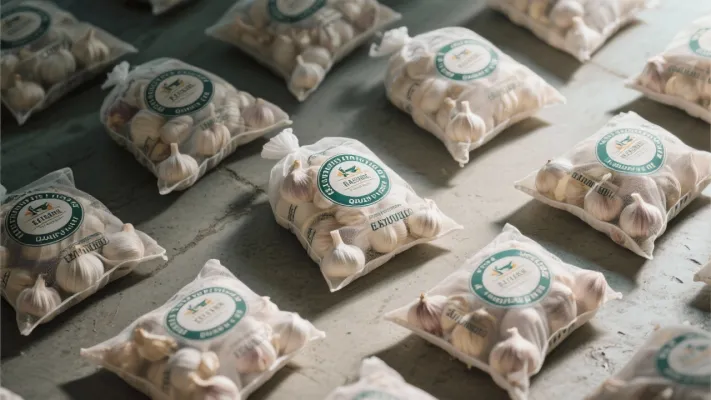
For European food manufacturers and processors, consistent access to high-quality garlic year-round isn’t just a convenience—it’s a competitive necessity. With consumer demand for fresh, nutritious ingredients rising, mastering the science of cold storage and packaging is key to maintaining product integrity from farm to factory.
Research published in Food Chemistry (2022) confirms that storing garlic at temperatures between -3°C and 0°C significantly reduces respiration rates by up to 60%, minimizing moisture loss and delaying sprouting. This narrow range also suppresses fungal growth—critical in humid European climates where mold can develop within days if not controlled.
| Storage Temp | Sprout Inhibition Rate | Mold Risk |
|---|---|---|
| -3°C to 0°C | ~92% | Low |
| 4°C | ~65% | Moderate |
| Room Temp (20°C) | ~25% | High |
A case study from a major German vegetable processor shows how switching to this temperature range increased their usable garlic shelf life from 6 weeks to over 9 months—with no significant loss in sulfur compound content, which directly impacts flavor and health benefits.
While plastic bags trap moisture and create ideal conditions for mold, mesh net bags allow airflow while preventing mechanical damage during handling. According to a 2023 EU Food Safety Authority report, garlic stored in breathable mesh packaging had 40% fewer bruising incidents compared to sealed containers—especially important when transporting large volumes across borders.
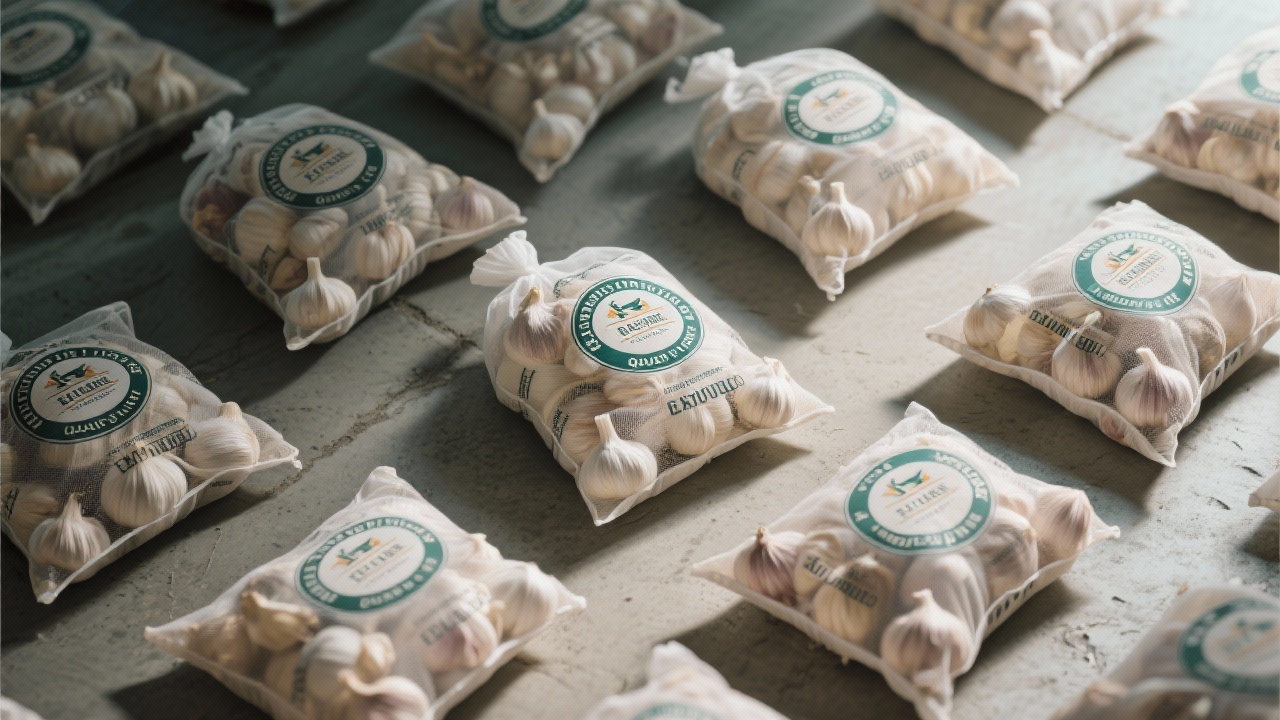
Moreover, mesh bags reduce condensation buildup inside storage units—a common issue in refrigerated warehouses. That means less microbial activity, better air circulation, and ultimately, longer-lasting quality that meets EU food safety standards.
Studies show that garlic stored properly retains up to 87% of its allicin content after 6 months—compared to only 45% in non-controlled environments. Allicin, the primary bioactive compound responsible for garlic’s antimicrobial and antioxidant properties, is highly sensitive to heat and humidity. Maintaining optimal cold chain protocols ensures your customers get more than just “fresh”—they get functional nutrition.
If you’re sourcing garlic for industrial kitchens, food service providers, or private label brands, understanding these fundamentals gives you an edge in negotiations and quality control.
Download our free guide: "European Best Practices in Garlic Cold Chain Management" — used by top processors in France, Italy, and the Netherlands.
Get the Free Cold Chain Manual.png?x-oss-process=image/resize,h_600,m_lfit/format,webp)


.png?x-oss-process=image/resize,h_200,m_lfit/format,webp)





 TikTok
 Facebook