
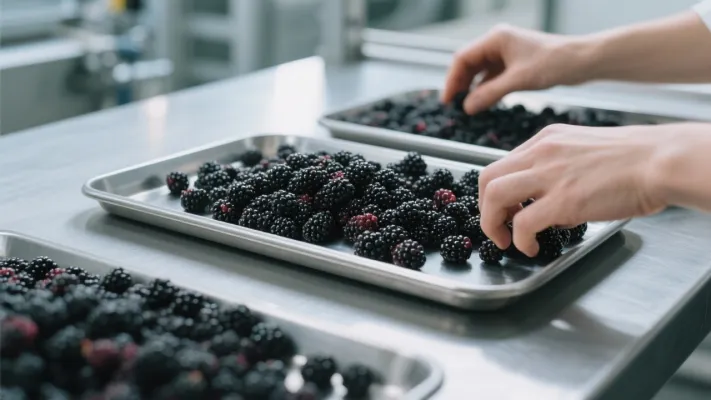
According to the Food and Agriculture Organization (FAO), approximately 14% of global food production is lost post-harvest, with perishable crops like garlic suffering disproportionately due to inadequate temperature control during transit and storage. This isn’t just a logistical issue—it’s a direct impact on product value, customer trust, and export competitiveness.
Garlic’s enzymatic activity slows significantly below 0°C but remains active above 5°C. At temperatures between -3°C and 0°C:
A 2023 study by the International Institute of Refrigeration found that cold chain logistics reduced garlic spoilage from an average of 12% in traditional warehouses to just 2.5%. In one case involving a shipment from China to Saudi Arabia:
“After implementing real-time temperature monitoring and maintaining -1°C throughout the voyage, the garlic arrived with over 95% marketable grade—compared to 60% in previous shipments without controlled conditions.” — Logistics Manager, Middle East Importer
Adhering to HACCP principles ensures every stage—from harvest to final delivery—is monitored for microbial risks. For exporters targeting EU or GCC markets, this isn’t optional—it’s a prerequisite. Companies with certified cold chains report:
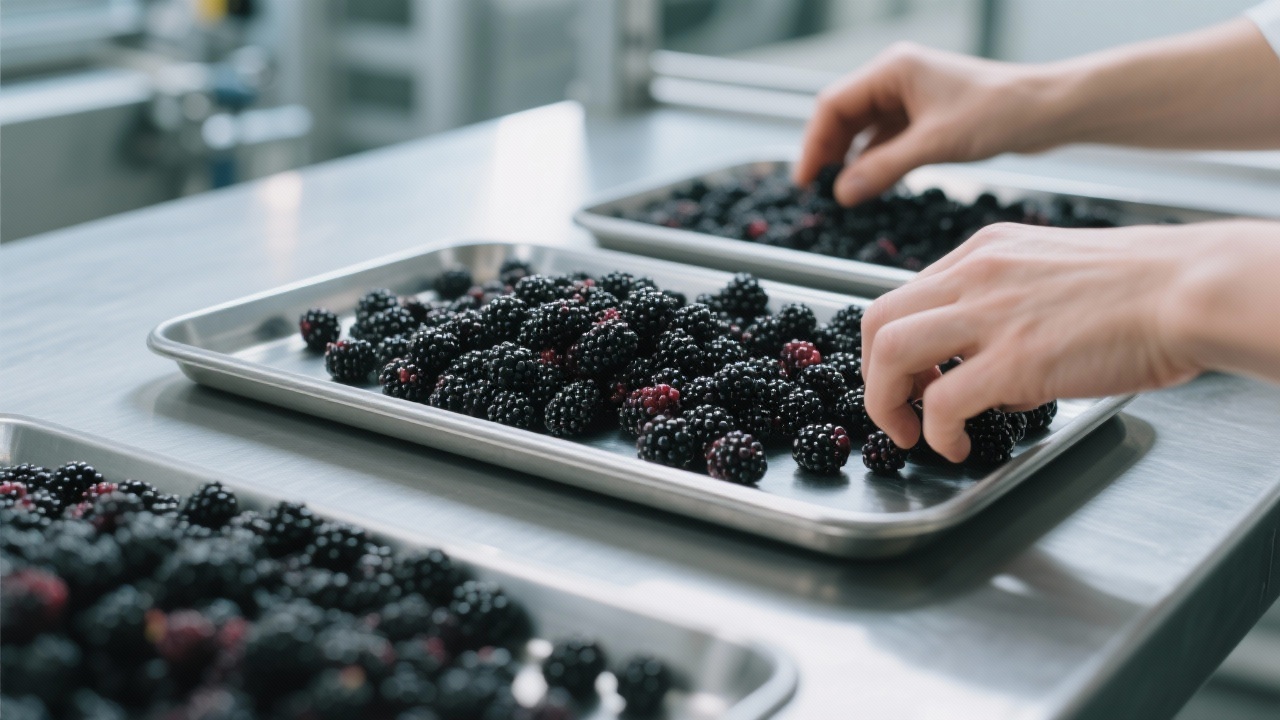
One Chinese exporter saw a 40% reduction in rejected batches after adopting IoT-enabled cold containers and training staff on HACCP protocols. Conversely, another failed to meet UAE import standards because their refrigerated truck exceeded 4°C for 6 hours en route—a single deviation that led to $8,000 in losses and damaged relationships with key clients.
Download our free checklist: "Cold Chain Readiness Audit for Exporters" — it includes step-by-step guidance on temperature management, documentation, and compliance checks.
Get Your Free Cold Chain Checklist NowThe future of global agricultural trade lies not only in what you ship—but how you protect its integrity from farm to fork. With smart cold chain design, data-driven oversight, and compliance-first thinking, your products don’t just survive—they thrive.
.png?x-oss-process=image/resize,h_600,m_lfit/format,webp)



.png?x-oss-process=image/resize,h_200,m_lfit/format,webp)





 TikTok
 Facebook