
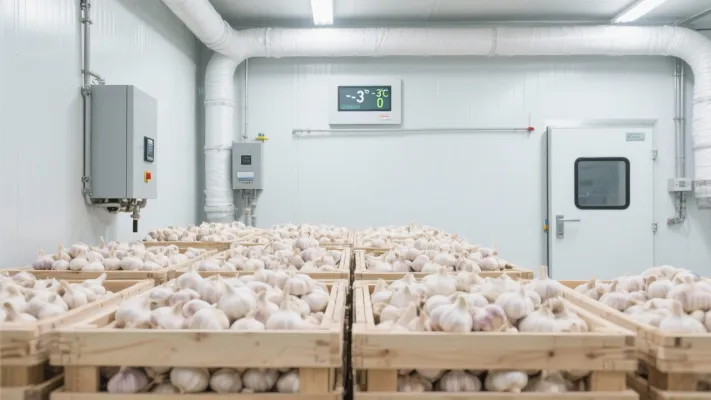
In the foodservice industry, the freshness of garlic plays a pivotal role in determining the flavor and quality of dishes. A study has shown that over 80% of customers' satisfaction with a garlic - flavored dish is directly related to the freshness of the garlic used. Chefs and procurement officers are constantly on the lookout for ways to ensure that the garlic they use maintains its fresh aroma and flavor from the warehouse to the kitchen.
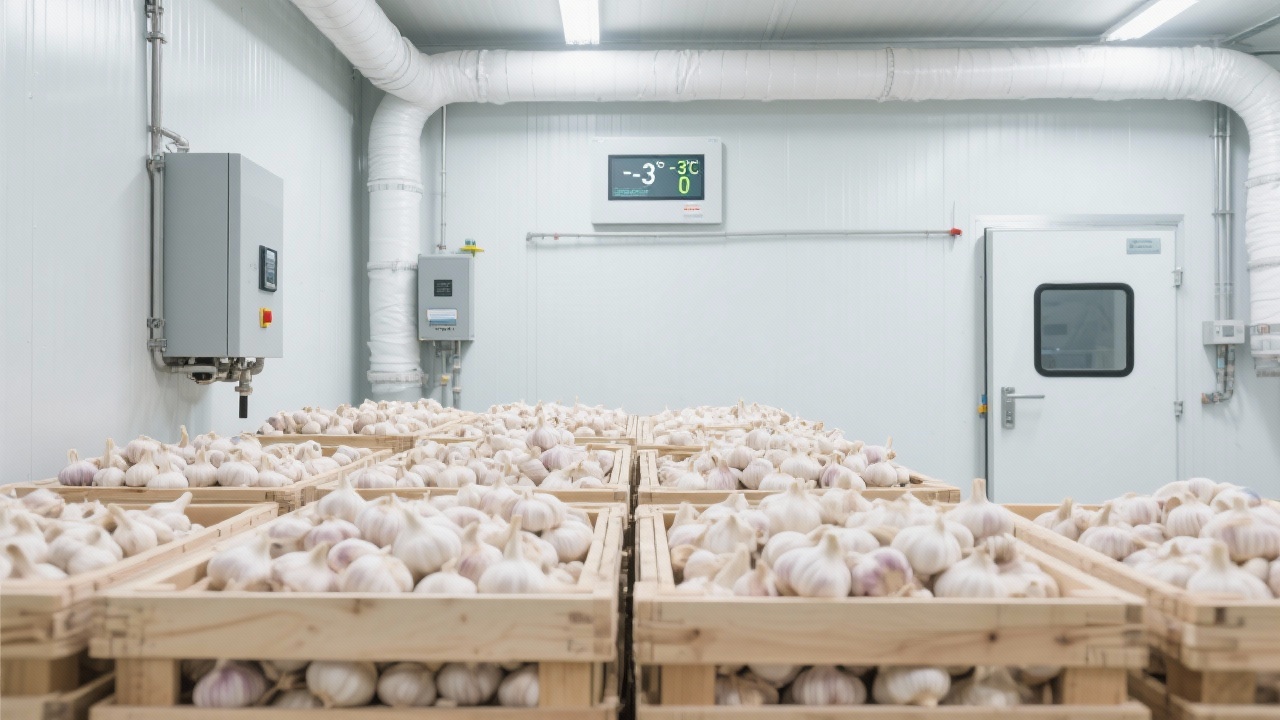
Several factors can significantly impact the quality of garlic during storage. Temperature, humidity, and ventilation are the three core variables. For instance, high temperatures can accelerate the sprouting and spoilage of garlic, while excessive humidity can lead to mold growth. Inadequate ventilation can cause the accumulation of ethylene gas, which further deteriorates the garlic's quality.
The ideal temperature for storing garlic is between 0°C and 3°C. At this temperature range, the metabolic rate of garlic is slowed down, effectively delaying sprouting and spoilage. Research indicates that garlic stored at 0°C - 3°C can remain fresh for up to 6 months, compared to only 1 - 2 months at room temperature.
The relative humidity should be maintained at around 60% - 70%. High humidity can create a breeding ground for fungi, while low humidity can cause the garlic to dry out.
Proper ventilation is crucial to remove ethylene gas and prevent the build - up of moisture. Without good ventilation, the garlic can quickly become musty and spoiled.
Cold storage at 0°C - 3°C combined with mesh bag packaging has proven to be an effective way to preserve garlic. The mesh bag allows for air circulation, preventing the accumulation of moisture and ethylene gas. An experiment conducted on 100 kilograms of garlic showed that those stored in mesh bags at 0°C - 3°C had a spoilage rate of only 5% after 3 months, compared to 20% for those stored in sealed plastic bags at room temperature.
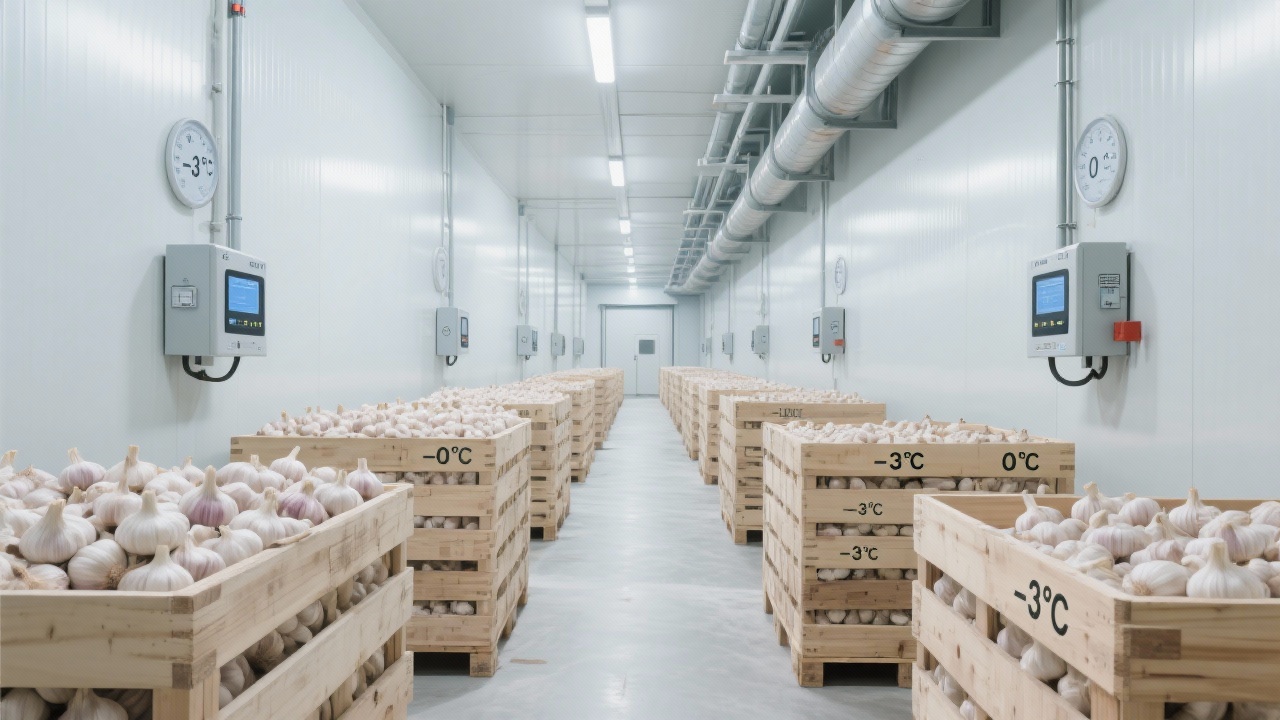
A typical foodservice company has successfully implemented a standardized warehousing process for garlic. First, the garlic is sorted upon arrival to remove any damaged or spoiled cloves. Then, it is placed in mesh bags and stored in a cold room at 0°C - 3°C. Regular inspections are carried out to monitor the quality of the garlic. The inventory is also managed in a first - in - first - out (FIFO) manner to ensure that the oldest garlic is used first.
Many foodservice businesses make common mistakes such as storing garlic in sealed containers or stacking them too densely. Sealed containers prevent air circulation, while over - stacking can lead to poor ventilation and increased pressure on the garlic, accelerating spoilage. Instead, garlic should be stored in mesh bags with enough space between each bag to allow for proper air flow.
A well - known restaurant chain implemented the standardized garlic storage process recommended by Yishangqiao. Before the implementation, they had a garlic spoilage rate of 15% per month. After switching to the 0°C - 3°C cold storage and mesh bag packaging method, the spoilage rate dropped to less than 5%. This not only reduced their food costs but also improved the consistency of their dishes, leading to an increase in customer satisfaction by 10%.
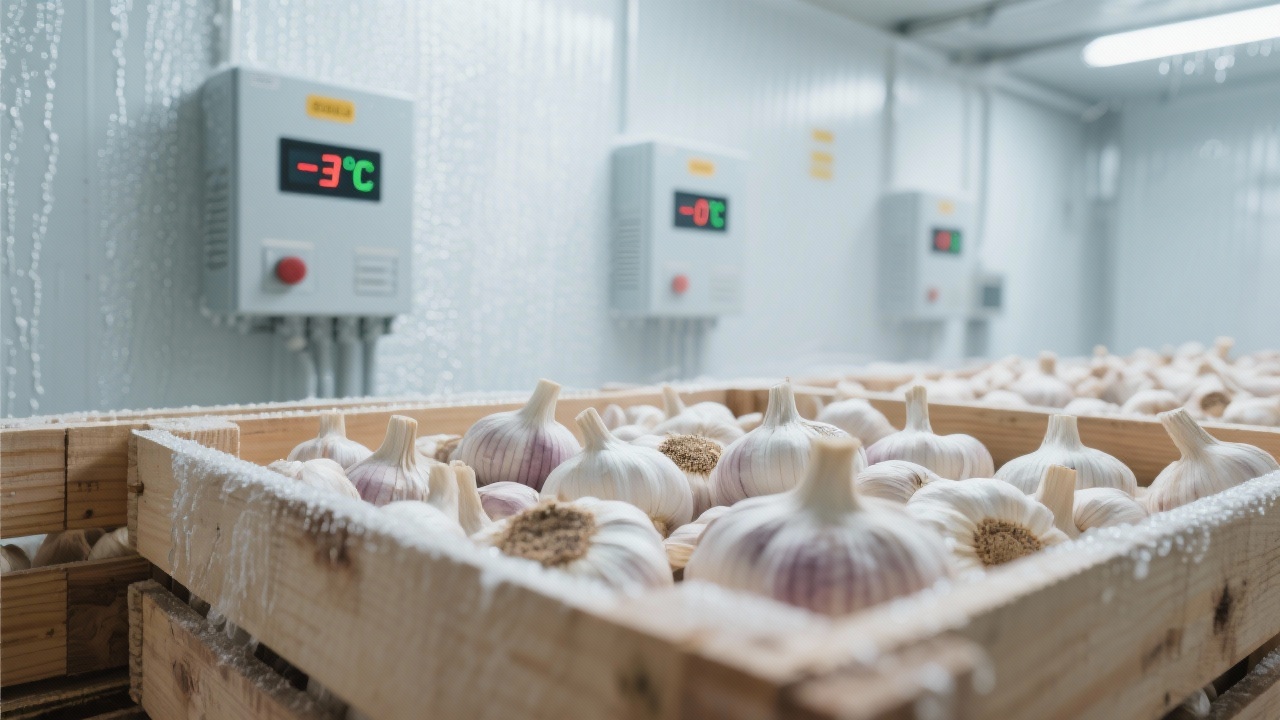
A: While it is possible, garlic stored at room temperature has a much shorter shelf - life. It is recommended to store garlic at 0°C - 3°C for long - term freshness.
A: It is advisable to inspect the garlic at least once a week to check for any signs of spoilage or sprouting.
By implementing the standardized garlic storage process, foodservice businesses can achieve full - control over the quality of garlic from the warehouse to the kitchen. Yishangqiao offers professional solutions and guidance to help you optimize your garlic storage system. Don't miss out on the opportunity to enhance your food quality and customer satisfaction. Click here to learn more about Yishangqiao's garlic storage solutions.
 268
|
268
|
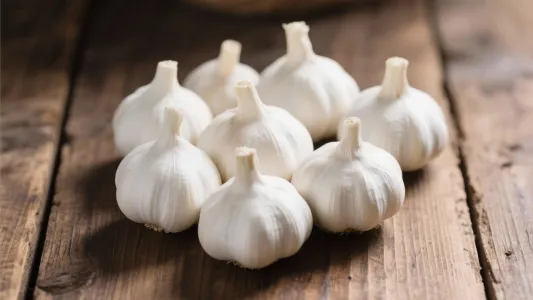
 Garlic preservation technology
Low - temperature storage of garlic
Garlic bulb cold storage management
Agricultural product cold - chain transportation
Preservation of garlic nutritional value
Garlic preservation technology
Low - temperature storage of garlic
Garlic bulb cold storage management
Agricultural product cold - chain transportation
Preservation of garlic nutritional value
 460
|
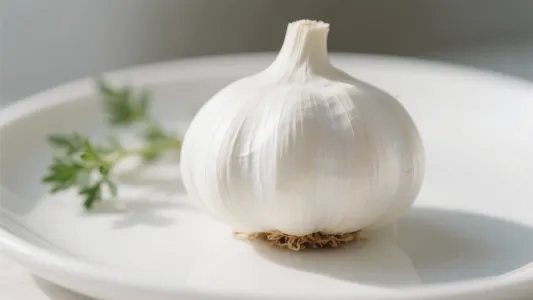
Class A white garlic
garlic grading standards
high - quality garlic identification
garlic procurement skills
garlic quality assessment
460
|
Class A white garlic
garlic grading standards
high - quality garlic identification
garlic procurement skills
garlic quality assessment
 64
|
European garlic varieties
garlic storage solutions
garlic processing applications
garlic supply chain management
garlic flavor profiles
64
|
European garlic varieties
garlic storage solutions
garlic processing applications
garlic supply chain management
garlic flavor profiles
 342
|
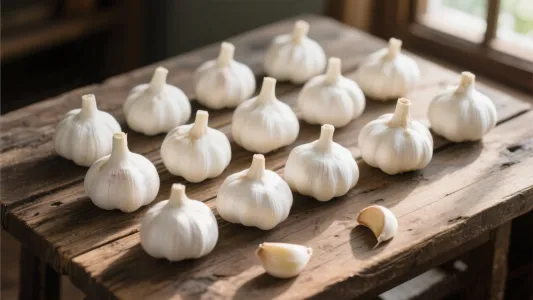
garlic cross-border transport loss
10kg mesh bag packaging
agricultural cold chain packaging
food logistics optimization
garlic storage technology
342
|
garlic cross-border transport loss
10kg mesh bag packaging
agricultural cold chain packaging
food logistics optimization
garlic storage technology
 408
|
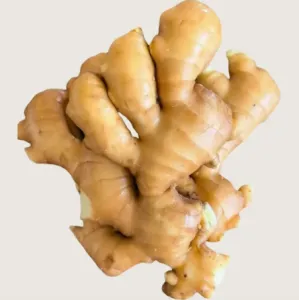
organic ginger cultivation
ecological pest management ginger
export-grade ginger quality
pesticide-free fresh ginger
high-quality organic ginger
408
|
organic ginger cultivation
ecological pest management ginger
export-grade ginger quality
pesticide-free fresh ginger
high-quality organic ginger


.png?x-oss-process=image/resize,h_600,m_lfit/format,webp)







.png?x-oss-process=image/resize,h_200,m_lfit/format,webp)





 TikTok
 Facebook